
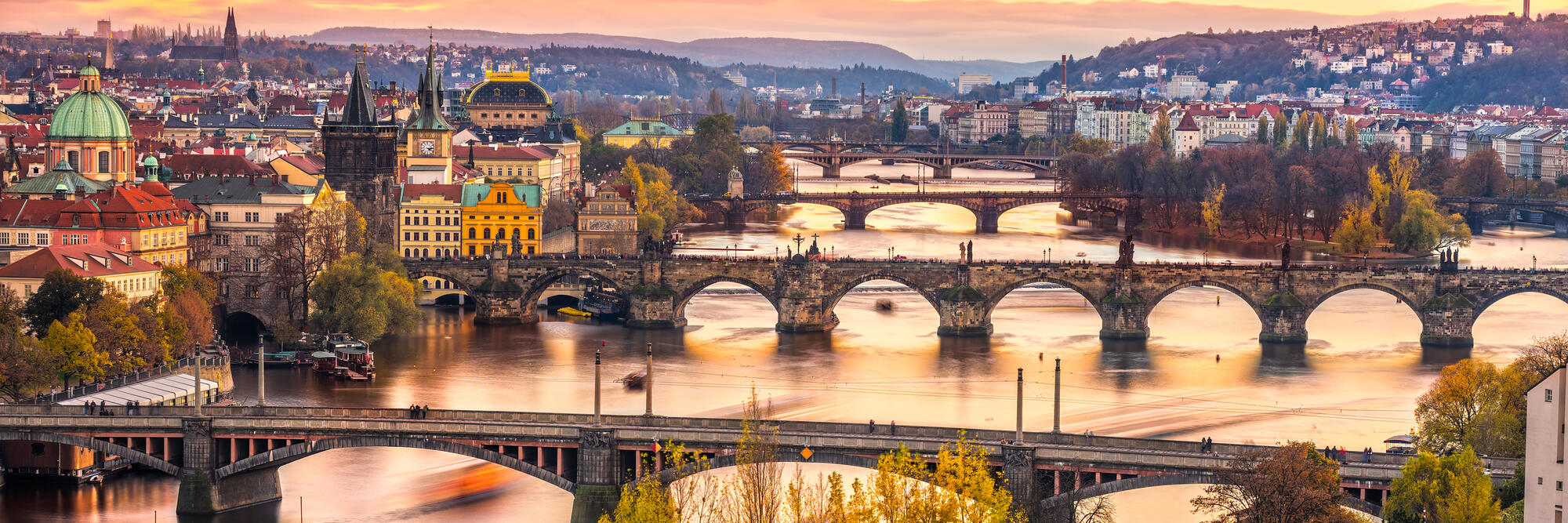
Known for its stunning architecture, beautiful natural countryside and rich history, the Czech Republic has proven itself a fantastic place for expats to call home. The relatively low cost of living and high quality of life have served to attract many an expat. Additionally, the country’s growing tech and startup industry makes it a perfect base for expats looking to work or start a business in the Czech Republic.
With over a million foreigners living in the country, the Czech society has become diverse and comprises people of many nationalities. Below is some useful information about diversity and inclusion in the Czech Republic.
Accessibility in the Czech Republic
The Czech Republic is largely considered to be accessible, especially in Prague, although older architecture can sometimes pose challenges for those with limited mobility. Legislation requires buildings to limit physical barriers affecting accessibility, although this applies mainly to newly built or renovated sites.
Like most nations, the Czech Republic’s urban centres and workplaces are easier to navigate in a wheelchair than historical or heritage sites, while off the beaten track and in rural locations, things can be more difficult. As a member of the European Union, the country has legal safeguards in place to protect and promote the rights of those with any form of impairment.
Prague’s public transport system, run by Prague Public Transit Company (DPP), offers a wide array of travel options, most of which are accessible.
Airports
Almost all international airlines land at Václav Havel Airport in Prague. The airport is modern and completely accessible, including large elevators, enhanced signage and tactile walkways. Assistance is also available at baggage reclaim and immigration via special passport control lanes, and can be called at any point in the two terminals using one of the dedicated contact points.
Taxis
Most street taxis can accommodate a folding wheelchair, but few are equipped to transport a fixed or electric mobility aid. Many fully accessible minivans are available, though, and should be booked ahead of time. Prices for city cabs are regulated, and meters are used.
Buses
All DPP buses have low floors, although accessibility can be limited by the design of individual bus stops.
Trams
More than half the tram fleet in the capital has low floors and is fully accessible. An online ‘connection finder’ indicates barrier-free routes, including photos of special features to pre-plan journeys.
Metro
The Prague Metro is accessible at most stations, but because of differences in the types of trains operating on the network, there can be platform gaps that complicate the use of electric mobility aids. A ramp on the leading car of each service and comb edge gap fillers make boarding easier. There is also extra guidance for passengers with visual or hearing impairments.
Transport and Driving in the Czech Republic
Useful links
LGBTQ+ in the Czech Republic
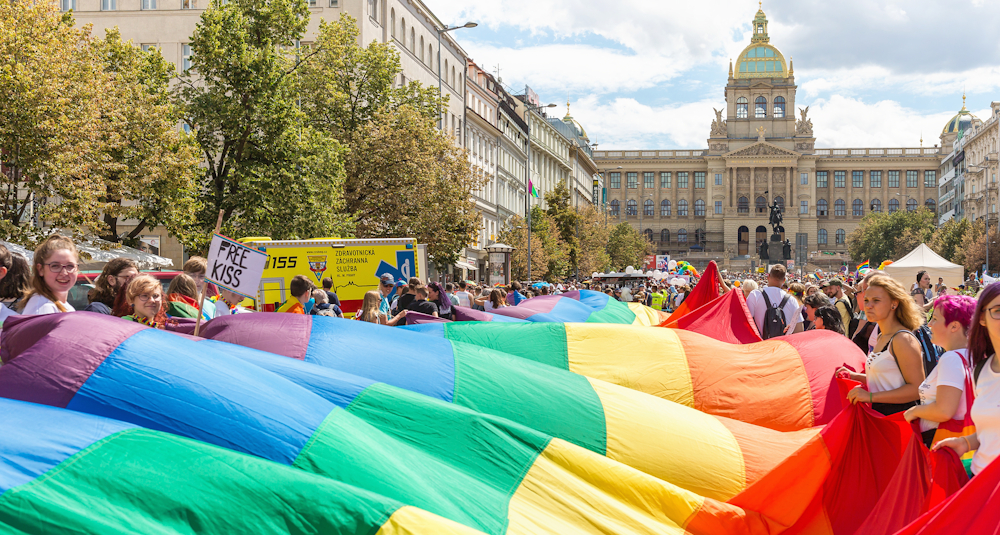
The Czech Republic is generally a safe place for those in the LGBTQ+ community. A number of basic rights and protections are in place, including the recognition of registered partnerships and bans on housing and workplace discrimination based on sexual orientation. As of early 2026, the law offers stronger protections against LGBTQ+-related hate crimes.
Still, the Czech Republic lags behind some other EU countries in certain areas. Conversion therapy remains legal. In addition, although a person’s legal gender can now be changed without surgery, the law still mandates medical approval in the form of a diagnosis.
Socially, the majority of Czechs are accepting of homosexuality, although public displays of affection may raise an eyebrow. LGBTQ+ individuals may find rural areas to be a bit less open than large cities.
Prague is the most LGBTQ+-friendly city in the country, with Prague Pride being a regular yearly fixture on the events calendar. It also has a thriving nightlife, largely concentrated in the Vinohrady district.
Useful links
Gender equality in the Czech Republic
While the Czech Republic is predominantly non-religious, the country has a history of Catholicism, and some conservative views surrounding gender persist. Care and domestic duties fall disproportionately on women in the home, but attitudes, most notably among younger people, are changing.
As of 2025, the full-time equivalent employment rate stands at 67 percent for men and 48 percent for women. This rate is higher among couples with children.
While some improvements have been made, there is room for further progress. The gender wage gap has been gradually narrowing year by year, but it is still wider than the EU average.
Useful links
Women in leadership in the Czech Republic
There is limited representation of women in leadership in the Czech Republic. Recent data shows that the country has one of the lowest rates of female ministerial representation in the EU, at just 8 percent as of 2025, compared to the EU average of 30 percent.
Data on female leadership in the corporate world is slightly more positive but still not reaching targets, with women occupying fewer than one in three managerial positions in Czech companies.
Useful links
Mental health in the Czech Republic
Due to the stress of relocating to a new country and making adjustments to daily life, expats are at a higher risk of issues such as depression and substance abuse. Loneliness and burnout are also commonly experienced by expats. In the Czech Republic, approximately one in five people experiences mental health-related problems.
The good news is that, with over a million internationals living in the Czech Republic, there is ample support available tailored specifically to expats. Despite English not being widely spoken among locals, expats should be able to find English-speaking psychological and psychiatric professionals fairly easily in private practice, especially in Prague. While this is pricier than going the public route, most employers provide expats with adequate health insurance that has good mental health provisions.
Useful links
Unconscious bias in the Czech Republic
Unconscious bias refers to the prejudices absorbed when living in unequal societies. Preconceptions around gender, age and ethnicity inhibit effective hiring, limit development and lower staff morale. Some international organisations in the Czech Republic use training to promote tolerance and understanding, but ingrained views on women being better in caring roles persist in traditional Czech society.
Diversification of the workforce in the Czech Republic
The Czech Republic is ethnically homogenous. While it is quite rare to encounter people of different racial backgrounds in rural areas, urban centres (especially Prague) are growing more diverse. Compared to large metropolitan areas of the United States and Western Europe, however, the workforce of Prague is still predominantly white. The main non-white minorities are Roma and Vietnamese.
Safety in the Czech Republic
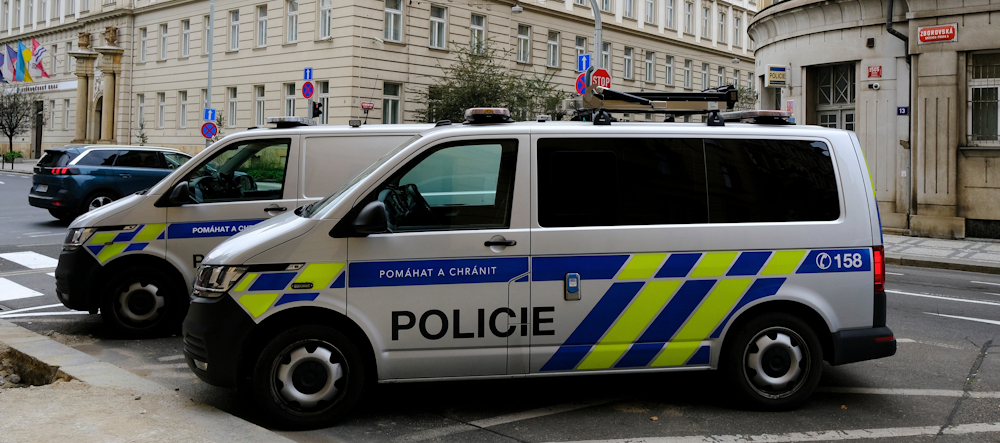
Most people living and working in the Czech Republic experience no difficulties, but expats should be aware of street crime and petty theft, particularly in Prague. Violent crime and assaults are infrequent compared to many neighbouring countries.
Women’s safety in the Czech Republic
The Czech Republic is generally safe for solo female travellers. Women should take the same precautions as they would in any other country, such as avoiding walking alone at night and being aware of their surroundings. Additionally, the Czech Republic has a strong police presence and an excellent public transport system, making it easy to get around safely. Harassment and sexual violence are uncommon.
Festive dates in the Czech Republic
January 1 – Restoration Day of the Independent Czech State
March 8 – International Women’s Day
May – Mental Health Awareness Month
Third Thursday of May – Global Accessibility Awareness Day
May 1 – Labour Day
May 8 – Liberation Day
July 5 – St Cyril and Methodius Day
July 6 – Jan Hus Day
August – Gay Pride
September 28 – St Wenceslas Day / Day of Czech Statehood
September – World Suicide Prevention Day
October 28 – Foundation of the Independent Czechoslovak State
November 17 – Struggle for Freedom and Democracy Day
November 25 – International Day for the Elimination of Violence against Women
December 1 – World AIDS Day