
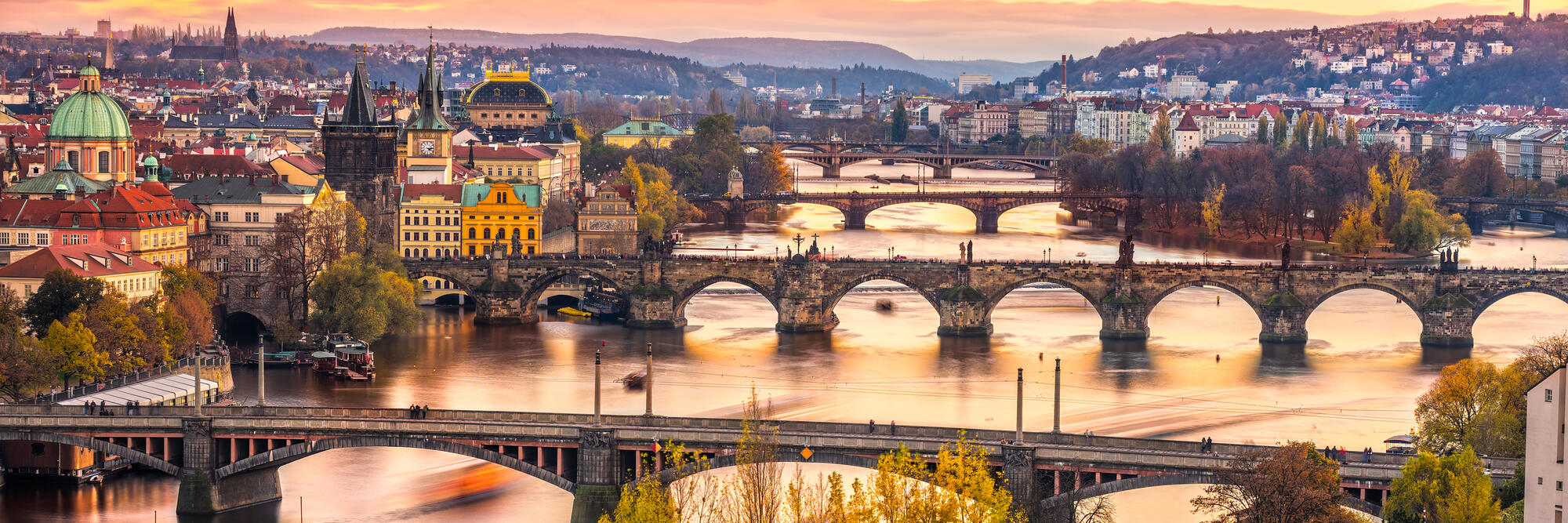
As one of the most developed and industrialised economies in Central Europe, the Czech Republic is not only a popular tourist destination, but also a growing expat destination. Expats moving to the Czech Republic are sure to fall in love with the country’s beautiful architecture and diverse communities.
Working in the Czech Republic
Most new arrivals live in Prague, which is home to the European headquarters of many international companies. Recently, the city’s economic structure has become less industrial and more service based. Strong sectors include manufacturing, tourism, IT and finance. All of these industries are ideal for expats seeking work in the Czech Republic.
Finding a Job in the Czech Republic
Doing Business in the Czech Republic
Czech culture
The main language is Czech, which can present an element of culture shock for new arrivals. Although many younger Czechs can speak English, this is not necessarily true of older generations, especially outside the larger cities.
Expats should make at least some effort to learn Czech if they want to converse with locals. While locals may seem reserved at first, they usually open up with time. In most cases, they will be happy to converse with a foreigner to improve their Czech, even if an expat has a less-than-stellar command of the language.
Local Culture in the Czech Republic
Finding accommodation in the Czech Republic
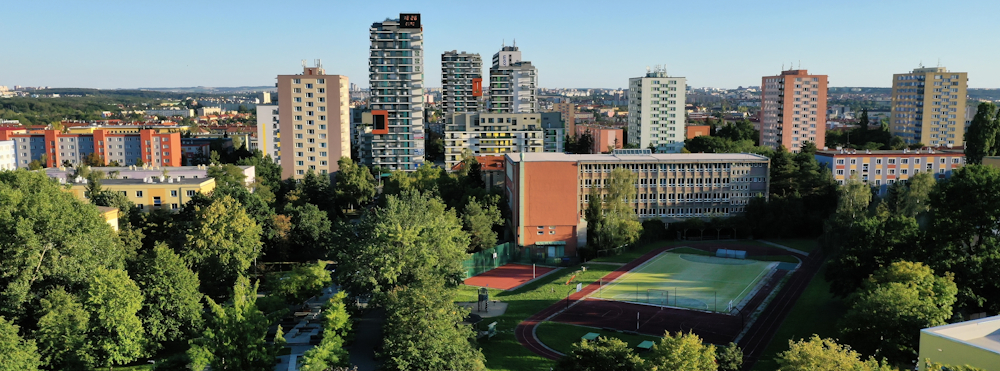
There’s a high demand for accommodation in the Czech Republic, especially in Prague. There can be a lot of competition for good-quality properties, so it’s best to plan to view suitable available accommodation as soon as possible, in person. To facilitate this, we recommend renting short-term accommodation for a few weeks to get to know your surroundings before committing to something more permanent. Hiring a good real estate agent can also make the process much smoother.
Renting Accommodation in the Czech Republic
Cost of living in the Czech Republic
The Czech Republic generally offers expats a high standard of living. Despite an increase in accommodation costs, the general cost of living is affordable relative to Western European standards, and foreigners can largely maintain active and enriching lifestyles in the country.
Everyday costs, including transport and groceries, are not overly expensive, and expats tend to earn relatively well in the Czech Republic. They’ll find that their costs depend very much on lifestyle choices and where in the country they decide to live, with Prague being the priciest option.
Cost of Living in the Czech Republic
Living in the Czech Republic with children
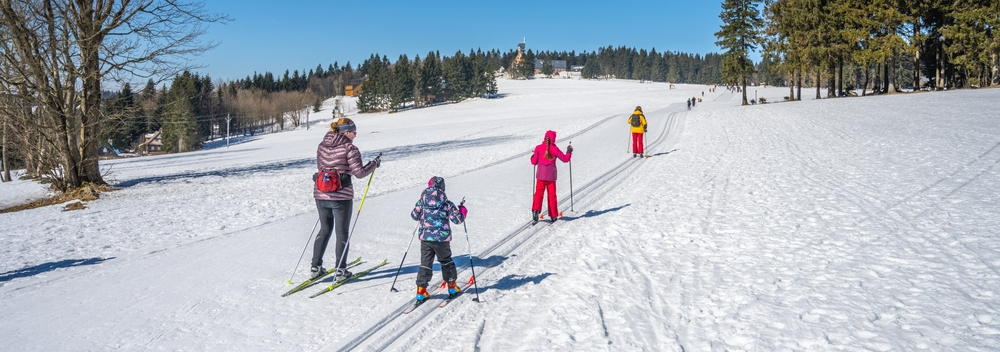
As the social and cultural capital of the country, Prague is an incredibly popular tourist city and is filled to the brim with historical landmarks and natural beauty. Expat families living or travelling outside the capital will also discover castles, keeps and ruins in other parts of the country, many of which are UNESCO World Heritage sites.
There are also plenty of museums and parks in every major city for families to explore or enjoy a day out in the sunshine. Due to its central location in Europe, there are also many opportunities to travel outside the Czech Republic for a weekend break or extended holiday.
Healthcare in the Czech Republic is of a high standard, with most large medical facilities centred in Prague. Many doctors and dentists can speak English. Healthcare is free to all legal citizens and is provided through compulsory contributions to a state-approved insurance fund. Most expats working in the country will qualify for Czech public healthcare, depending on their residency status.
Best Attractions in Prague
Lifestyle in Prague
Healthcare in the Czech Republic
Finding a school in the Czech Republic
Those with children need not worry about their children’s education when relocating to the Czech Republic. Although public schools are free, the language of instruction is Czech. Luckily, there are several international schools in Prague as well as in other major Czech cities, all catering to different nationalities. The International Baccalaureate is a popular option, as are the curricula for countries such as the US and the UK.
Parents who cannot afford international school fees but want a bilingual education for their children should look into subsidised private schools, which have lower fees than traditional private schools.
Education and Schools in the Czech Republic
Getting around in the Czech Republic
The Czech Republic has a well-developed public transport system, with Prague having an established network of trains, buses, trams, and a metro. Expats living in Prague will find owning a car rather unnecessary, but those living outside the city may need a vehicle to get around.
Transport and Driving in the Czech Republic
Getting Around in Prague
Climate in the Czech Republic
The Czech Republic has a temperate climate, with cold winters and warm summers. Rainfall is common throughout the country, with the wettest seasons being spring and summer. During the colder months, temperatures generally stay around freezing with cloudy skies and light snowfall. Although this is infrequent, occasional frosts are brought over from Russia, with temperatures dropping to -13°F (-25°C). Summers, on the other hand, are usually pleasant, with temperatures reaching highs of 75°F (24°C).
While moving to the Czech Republic may be daunting at first, expats have much to look forward to, thanks to the country’s stable economy, good job opportunities, rich culture, and well-developed public transport. Mastering the language can be a challenge, but it’s well worth it for both day-to-day convenience and the long-term potential to make friends.
Fast facts
Population: 10.5 million
Capital city: Prague (also the largest city)
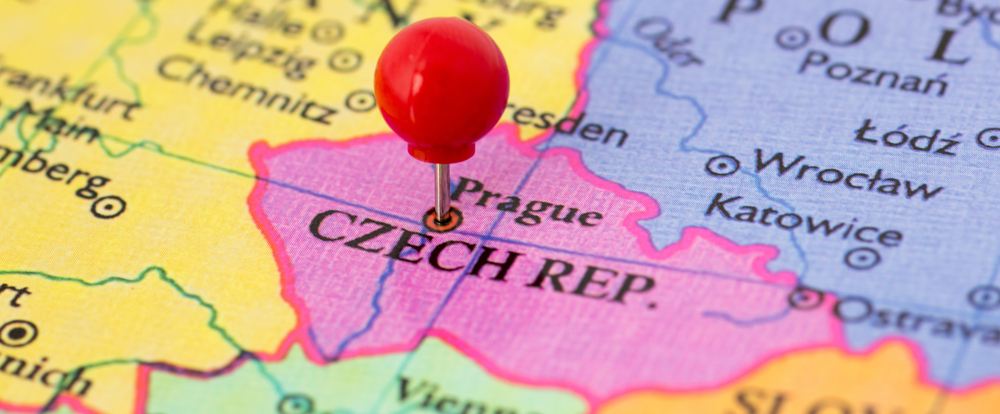
Neighbouring countries: The Czech Republic is bordered by Germany to the west, Poland to the north, Slovakia to the southeast and Austria to the south.
Geography: The country is landlocked and can be divided into two main areas geographically: Bohemia to the west and Moravia to the east. Bohemia is ringed by low mountains and its geography is defined by hills, plains and plateaus. Moravia is defined by rolling hills and valleys.
Political system: Unitary parliamentary constitutional republic
Main languages: Czech is the official language, but German and English are also spoken.
Major religions: Predominantly non-religious with a Roman Catholic minority
Money: The currency is the Czech koruna (CZK), sometimes called the Czech crown in English. It’s easy to open a Czech bank account, and the process can be started online.
Tipping: Tipping is not mandatory, but foreigners may be expected to tip more than locals. In most cases, expats can tip by rounding up to the nearest 5 or 10 korunas or, if in a restaurant, adding 5 to 10 percent of the total to the bill.
Time: GMT+1 (GMT+2 from the last Sunday in March to the last Sunday in October)
Electricity: 230V, 50Hz. ‘Type C’ and ‘Type E’ European-style plugs with two round pins are used.
International dialling code: +420
Internet domain: .cz
Emergency contacts: 112 (general emergencies), 158 (police), 155 (ambulance), 150 (fire)
Transport: The country is well connected by public transport, especially in Prague. Driving is on the right-hand side of the road.