
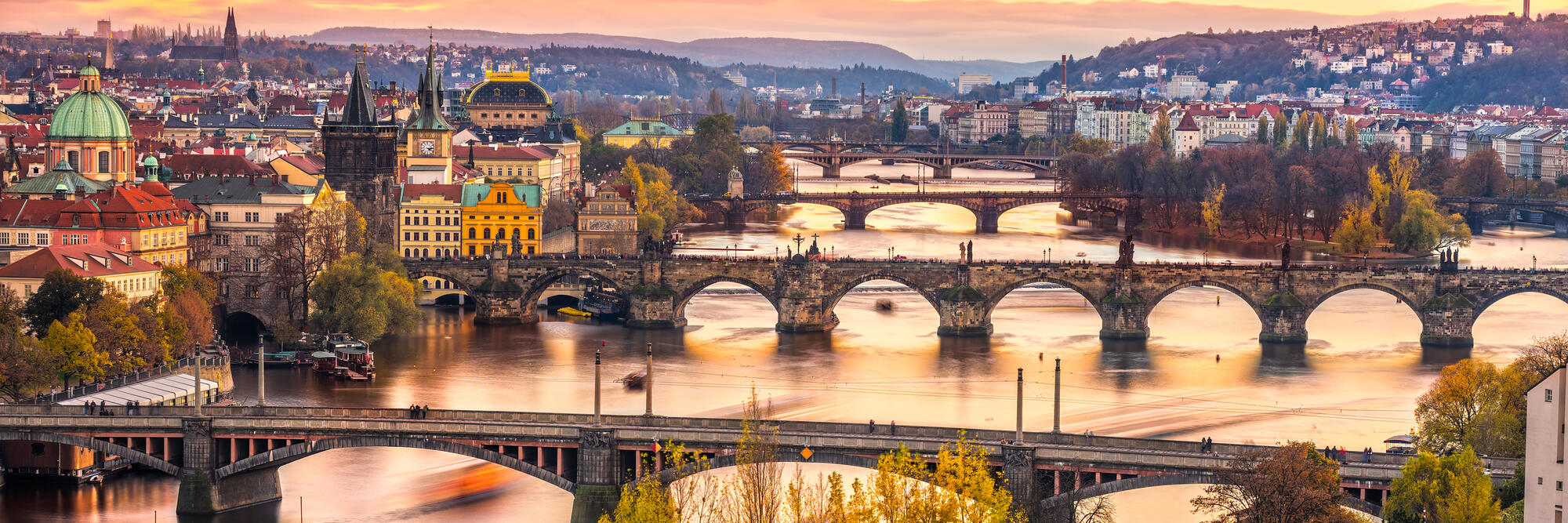
It may take some time to adjust to the local culture in the Czech Republic. Although the country has one of the most open and Westernised cultures in Central Europe, it also has practices and traditions that may seem strange to expats at first.
Studying some nuances of the culture can make the first few months in the Czech Republic not only more tolerable but also more enjoyable. Keeping an open mind can go a long way in helping expats to accept certain realities and ease the culture shock.
For the most part, expats are won over by the country’s arts and culture, as well as its relatively low cost of living. That said, genuine friendships (achieved with a little persistence and patience) and dependability in business are also qualities that endear foreigners to the Czech Republic.
Language barrier in the Czech Republic
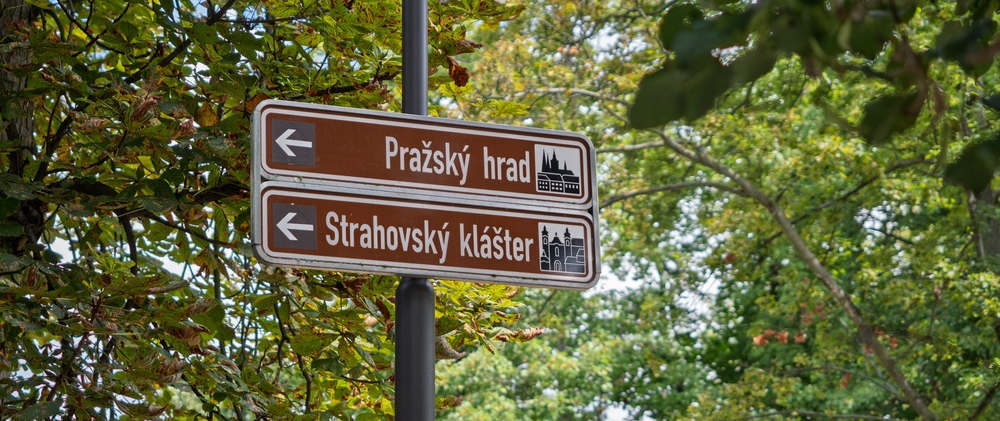
Most people here speak Czech, and although English proficiency is improving, most of the population isn’t able to speak English. When looking for employment in the Czech Republic, knowing the language is a great advantage and may even be essential in some cases. Most public offices only offer forms and instructions in Czech.
Expats moving to the Czech Republic without learning at least the basics of the local language may have difficulty adjusting. If you can get a good grasp of the language, it can greatly ease the process of settling in and making friends.
Meeting and greeting in the Czech Republic
On a personal level, it can be quite difficult to make friends with Czech locals. The usual greeting is a handshake with eye contact, and it may take some time before an expat gets on a first-name basis with a local. When meeting a local for the first time, they may seem cold and unwelcoming because Czechs don’t typically smile or make small talk. In time, they may open up, but they’re unlikely to express emotion as openly as some expats may be used to.
Communication in the Czech Republic
Czechs are usually straightforward in their communication. They often conduct business verbally and make deals with a handshake. While this is a pleasant way to do business, things can get complicated if a dispute arises later. For this reason, expats should ensure a contract is in place in matters of great importance or if a lot of money is involved.
Doing Business in the Czech Republic
Bureaucracy in the Czech Republic
Although most private firms now conduct their business online, the Czech Republic is still a country of paperwork. Whether opening a bank account, buying property or sorting out a legal matter, an overwhelming number of documents and signatures are still required.
Religion in the Czech Republic
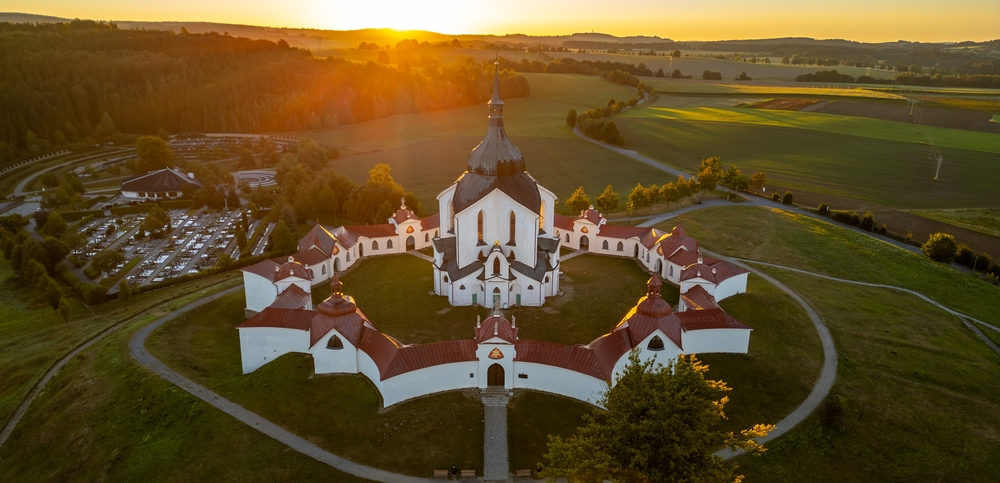
There is no single predominant religion in the Czech Republic, and today, most of the population is not religious. That said, the influence of its predominantly Catholic culture during the early part of its history can be seen in its historical architecture, sculptures, and other artworks.
In general, Czechs are very tolerant of different religions and lifestyles. As a result, expats living in the Czech Republic should find it easy to practise and embrace their faith without fear of being criticised.
LGBTQ+ in the Czech Republic
The Czech Republic is broadly accepting of LGBTQ+ individuals. Homosexual couples can enter into legal partnerships that are afforded the same rights as marriage. There are laws against LGBTQ+ discrimination in housing and employment matters.
On the other hand, some aspects of life in the Czech Republic could be more LGBTQ+ friendly. Conversion therapy is still allowed, there’s no recognition of a nonbinary gender, and a medical diagnosis is required to change a person’s legal gender.
LGBTQ+, Diversity and Inclusion in the Czech Republic
Women in the Czech Republic
Some progress has been made toward gender equality in the Czech Republic, although there are still noticeable areas for improvement.
Gender gaps in employment and pay continue to fall short of targets. In addition, the vast majority of positions of power in government and on company boards continue to be held by men at rates far higher than in other EU states.
Women in Leadership and Gender Equality in the Czech Republic