
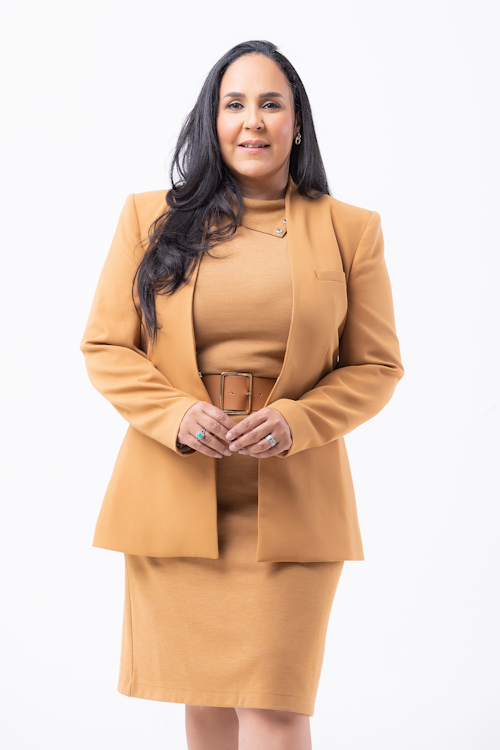
Johanna works with foreign investors who are interested in buying income-producing property in the Dominican Republic, especially in Punta Cana and Santo Domingo. She helps buyers understand the process, tax benefits like Confotur, and how to choose safe areas for long-term investment. She’s happy to connect and share general insights if anyone has questions. Follow her on Instagram or connect with her to Invest in Dominican Republic Real Estate.
About Johanna
Q: Where are you originally from?
A: New York
Q: What country and city did you move to?
A: Santo Domingo, the Dominican Republic
Q: When did you move?
A: September 2020
Q: Is this your first expat experience?
A: Yes
Q: Did you move here alone or with a spouse/partner or family?
A: With my family
Q: Reason for moving?
A: COVID
Living in Santo Domingo
Q: What do you enjoy most about Santo Domingo and the Dominican Republic in general?
A: What I enjoy most about Santo Domingo is the mix of history, culture, and everyday life. It’s a city that feels alive and authentic, with beautiful colonial architecture, great food, and a strong sense of community. You have everything you need close by – schools, hospitals, restaurants, and cultural spaces – while still being near the coast. More broadly, the Dominican Republic has an energy that’s hard to explain until you live here. The people are welcoming and family-oriented, and there’s a deep pride in the culture. At the same time, the country is growing and modernizing quickly, which makes it exciting to be part of its evolution.
Q: Have you had any low points? What do you miss most about the USA?
A: Of course, there have been low points. Any move to a new country comes with moments of adjustment, especially in the beginning. Missing family, close friends, and familiar routines can be hard at times, and learning to navigate things differently takes patience. What I miss most about home is the convenience and being close to the people I grew up with. That said, living in the Dominican Republic has also taught me to slow down, be more present, and appreciate a different rhythm of life. Over time, Santo Domingo has started to feel like home in its own way.
Q: What misconceptions about Santo Domingo, if any, have you learned were not true?
A: One common misconception is that the Dominican Republic lacks structure or organization. In reality, especially in cities like Santo Domingo and established areas, there is strong infrastructure, professional services, and a growing business environment. Many things work differently, but not worse – just at a different pace and with a more relationship-based approach. Another misconception is that safety is a major issue everywhere. Like any country, there are areas that are better than others, but many neighborhoods are safe, family-oriented, and very livable when you understand where to be and how things function locally.
Q: What are the biggest adjustments you had to make when settling into expat life in Santo Domingo? Did you experience culture shock at all?
A: The biggest adjustment was learning to slow down and let go of strict timelines. Things don’t always move as quickly or as rigidly as I was used to, and that required patience at first. Once I accepted that relationships and communication matter just as much as schedules, life became much easier. There was some culture shock in the beginning, mainly around how openly social and community-oriented life is here. Over time, that became one of the things I appreciate most. People are warm, expressive, and genuinely connected, which makes settling in feel more human and less transactional.
Q: What are your favourite things to do on the weekend? Any particular places or experiences you’d recommend to fellow expats?
A: On weekends, I really enjoy keeping things simple. In Santo Domingo, that usually means trying a new restaurant, spending time in the Colonial Zone, or meeting friends for coffee or a long lunch. I also like taking walks along the Malecón in the late afternoon when the city slows down a bit and the breeze comes in. For fellow expats, I’d definitely recommend exploring the Colonial Zone beyond the tourist spots – there’s so much history, culture, and great food tucked away there. Short weekend trips outside the city are also worth it, whether it’s the beach, the mountains, or a quiet town nearby. Those small getaways really help you appreciate how diverse the Dominican Republic is.
Q: What’s the cost of living in Santo Domingo compared to the USA? Are there specific things that are especially expensive or cheap there?
A: Compared to home, the cost of living in the Dominican Republic – especially in Santo Domingo – can be lower overall, but it really depends on your lifestyle. Housing, local food, transportation, and services are generally more affordable, especially if you live like a local and know where to shop. Eating at local restaurants and using local services can be very reasonable. That said, certain things can be more expensive. Imported products, specialty groceries, and international brands often cost more than they do back home. Private schools and some premium services can also add up. Overall, I find that you have more flexibility here – you can live very comfortably on a moderate budget, or spend more if you choose a more international or luxury lifestyle.
Q: What’s public transport like in Santo Domingo and across the Dominican Republic?
A: I don’t personally use public transportation often, but it is available. In Santo Domingo, there is a metro system that many people rely on, and it’s considered one of the more organized options in the city. There are also buses and shared taxis that locals use regularly. That said, most expats I know tend to rely on driving or ride-sharing services for day-to-day convenience, especially if they value flexibility and comfort.
Q: What do you think of the healthcare available in Santo Domingo? What should expats expect from local doctors and hospitals?
A: I have private health insurance and use private clinics and hospitals, which has been a good experience overall. In Santo Domingo, there are modern medical facilities and well-trained doctors, many of whom are used to working with expats and international patients. Communication is usually smooth, and appointments are easy to schedule. I don’t use public hospitals, as most expats with insurance tend to rely on the private healthcare system. With the right coverage, healthcare here feels accessible and reliable, and knowing where to go makes a big difference.
Q: What’s the standard of housing like in Santo Domingo? What different options are available?
A: The standard of housing in Santo Domingo is quite good, especially in well-established and newer neighborhoods. There’s a wide range of options depending on lifestyle and budget, from modern apartments in residential towers to more traditional homes and upscale developments with amenities like security, parking, and common areas. Many expats choose apartments in central areas because of convenience, access to services, and security. There are also gated communities and newer projects that offer a more residential feel. Overall, housing options are diverse, and with the right guidance, it’s possible to find something comfortable, modern, and well-suited to different needs.
Q: Are there any areas or suburbs you’d recommend for expats to live in?
A: In Santo Domingo, many expats tend to gravitate toward areas that offer good infrastructure, security, and easy access to everyday services. Neighborhoods like Piantini, Naco, Serrallés, and Evaristo Morales are popular because they’re central, well-developed, and close to restaurants, shopping, and medical facilities. For those who prefer a quieter or more residential feel, areas such as Bella Vista or Arroyo Hondo can also be good options. As with any city, the best area really depends on your lifestyle, budget, and what you value most – whether that’s walkability, nightlife, family-friendly spaces, or proximity to work.
Meeting people and making friends in Santo Domingo
Q: Was meeting people and making friends in Santo Domingo easy? How did you go about meeting new people?
A: For me, meeting people and making friends has been relatively easy because of my work. As a realtor, I meet people daily – clients, colleagues, and other professionals – so social interaction is built into my routine. That made the transition much smoother and helped me build connections quickly. Outside of work, casual social settings also help. People are generally open and friendly, and conversations happen naturally. Over time, those everyday interactions turn into real friendships, especially once you become part of the community.
Q: Have you made friends with locals, or do you mix mainly with other expats? What advice would you give to new expats looking to make friends with the locals?
A: I’ve made friends with both locals and other expats, but I do spend a lot of time interacting with locals, especially through my work. Building relationships with Dominicans has been a really positive part of living here – people are welcoming, social, and generous once there’s trust. For new expats, my advice would be to stay open and curious. Learning some Spanish, even at a basic level, makes a big difference, as does showing respect for the culture and traditions. Being patient, approachable, and genuinely interested in people goes a long way in forming real connections.
Working in Santo Domingo and the Dominican Republic
Q: How easy or difficult was getting a work permit or visa? Did you tackle the visa process yourself, or did you enlist the services of an immigration consultant?
A: In my case, the process was more straightforward because I have Dominican parents and hold a cédula. That made residency and work authorization much easier compared to someone starting from scratch. I didn’t need to go through a long visa or work permit process, which definitely helped with settling in more smoothly. For expats who don’t have Dominican nationality or family ties, the process can take more time and usually requires proper guidance. My advice is to understand your options early and, if needed, work with a qualified immigration professional so you can avoid delays and focus on settling into life here.
Q: What is the economic climate in Santo Domingo like?
A: Santo Domingo has a very dynamic economic climate. It’s the business and financial center of the country, so there’s always activity across different sectors like real estate, tourism, services, and entrepreneurship. You can really feel the pace of growth, especially with new developments, infrastructure projects, and businesses opening regularly. At the same time, the economy here is relationship-driven. Networking and personal connections matter, and once you understand how things work locally, it becomes much easier to navigate professionally. Overall, it’s a city with strong momentum and plenty of opportunity, especially for people who are adaptable and proactive.
Q: How does the work culture in Santo Domingo and the Dominican Republic differ from the USA?
A: Work culture in the Dominican Republic, especially in Santo Domingo, is more relationship-driven than what I was used to back home. Personal connections, trust, and communication play a big role, and things often feel more flexible than rigid. While that can take some getting used to, it also creates a more human and collaborative environment. Compared to home, there’s generally less emphasis on strict timelines and more on adaptability. Once you adjust your expectations and focus on building strong relationships, working here can be very rewarding and balanced.
Family and children in Santo Domingo
Q: How has your partner adjusted to your new home?
A: My partner has adjusted very well and genuinely loves living here. He enjoys the lifestyle, the culture, and the overall pace of life, and he’s embraced the change with a very open mindset. Having that shared positive experience has made the transition even smoother for both of us.
Q: Did your children settle in easily? What were the biggest challenges for them during the move?
A: Yes, overall, my children settled in quite well. Like any move, there was an adjustment period at the beginning, especially with new routines, a different school environment, and being away from familiar friends and family. That was probably the biggest challenge at first. Over time, though, they adapted quickly. Children are very resilient, and once they started making friends and feeling comfortable in their new surroundings, things became much easier. Seeing them grow more confident and open to new experiences has been one of the most rewarding parts of the move.
Q: What are your favourite family attractions and activities in Santo Domingo?
A: As a family, we really enjoy spending time exploring different beaches and getting out of the city whenever we can. Even short trips make a big difference, whether it’s a beach day, a new coastal town, or a quiet spot to unwind together. In the city, simple activities work best – going out for meals, walking around cultural areas, and spending time outdoors. What I like most is how easy it is to mix everyday life with quick getaways. There’s always somewhere new to explore, which keeps things fun and balanced for the whole family.
Q: What are the schools in Santo Domingo like? Any particular suggestions?
A: Schools in Santo Domingo offer a wide range of options, which is reassuring for families moving here. There are private schools, bilingual programs, and international schools that follow U.S., European, or international curricula. Many expat families choose private or international schools because of class size, language options, and academic structure. The best school really depends on the child’s age, language level, and the family’s priorities. My suggestion is always to visit schools in person, ask questions, and get a feel for the environment before deciding. Once you find the right fit, children tend to adapt very well.
Final thoughts
Q: Any advice you’d like to offer to new arrivals in Santo Domingo?
A: My biggest advice would be to give yourself time to adjust and stay open-minded. Things may work differently from what you’re used to, but that doesn’t mean they don’t work. Patience and flexibility go a long way. I’d also recommend learning some Spanish, even at a basic level, and taking the time to build relationships. Connecting with locals, asking questions, and immersing yourself in the culture make the experience much richer. Most importantly, don’t rush the process – once you find your rhythm, living here can be incredibly rewarding.
►Interviewed in December 2025