Print
  • Hold down Ctrl key and select the sections you want to print. If using a Mac, hold down the Cmd key.
  • Use Ctrl + A or on Mac, Cmd + A to select all sections (if you are using the Chrome browser).
  • Click "Apply" and the site will customise your print guide in the preview below.
  • Click the "Print" button and a print pop up should appear to print to your printer of choice.

Moving to Auckland

Living in Auckland as an expat

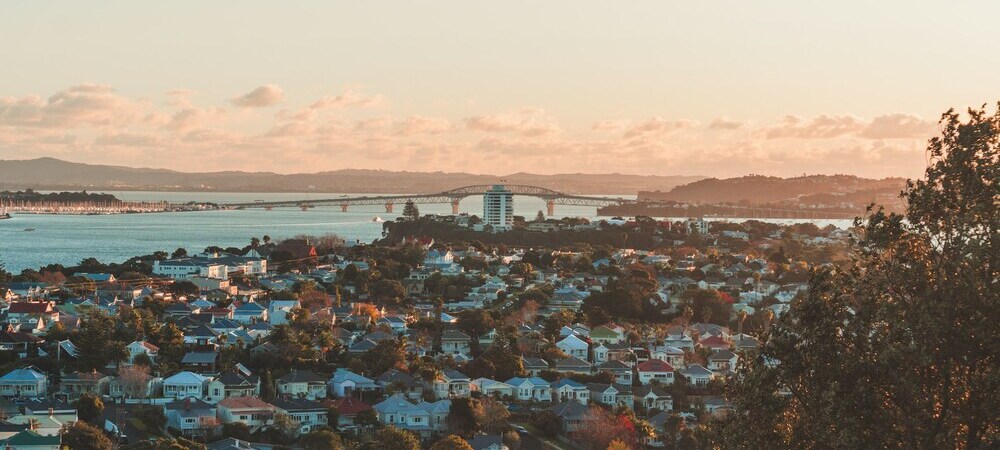
When moving to Auckland, you can look forward to living in a modern, developed city with the charm and relaxed pace of a seaside community. Aptly nicknamed the ‘City of Sails’ owing to the many yachts sailing between Waitemata Harbour and Manukau Harbour, Auckland is well-situated on the north side of New Zealand's North Island. 

With a population of around 1.7 million, Auckland comprises four main areas: Auckland City in the centre, North Shore on a raised peninsula to the north, Waitakere City to the west, and Manukau City to the south. Auckland is a culturally diverse city with a mix of locals, expats and Polynesian islanders.

Working in Auckland

Working in Auckland

As the largest commercial centre in the country, most expats relocating to New Zealand for work will likely end up in Auckland. The city typically produces a third of New Zealand's GDP, nearly double that of the entire South Island. The average salaries in Auckland are usually higher than elsewhere in New Zealand, with engineers, medical professionals, and IT and communication specialists being among the most in-demand professions.

Working in New Zealand

Lifestyle in Auckland

Lifestyle in Auckland

Expats can look forward to a balanced lifestyle in Auckland. The city combines urban and suburban living with many parks, green spaces, and beaches, offering something for both city and nature lovers. There is plenty to see and do in Auckland, including visiting the famous Sky Tower or one of the city’s many picturesque marinas.

Entertainment options in Auckland are diverse and cater to a range of interests and budgets. You can catch a show at The Civic Theatre in the heart of the city, or watch the All Blacks at Eden Park Stadium. On weekends, the Parnell Farmer’s Market is definitely worth a visit, and, if you don’t mind the drive, so is Clevedon Strawberries on the outskirts of the city.

Local Culture in New Zealand
Pros and Cons of Moving to Auckland

Finding accommodation in Auckland

Most expats moving to Auckland will rent rather than buy, as property prices remain some of the highest in New Zealand. Many expats start in furnished apartments while they search for suitable longer-term rentals.

Options to suit every budget and lifestyle are available, from apartments in modern inner-city high-rises to freestanding homes in the suburbs. Lease agreements are usually straightforward, though you’ll need to remember to pay rent on a weekly basis.

Auckland has numerous neighbourhoods to choose from, each bringing its own vibe at varying prices. You’ll be able to find accommodation in areas ranging from the bustling CBD to quiet suburbs like Epsom, Parnell, and Mount Eden. Seaside living in the coastal areas of Devonport and Takapuna is also an appealing option.

Using online property portals, local real-estate agents, or a relocation specialist can help you secure your dream home before it gets snatched up by someone else.

Renting Expat Accommodation in Auckland

Cost of living in Auckland

The general cost of living in Auckland remains higher than in other parts of the country, even if it's relatively low when compared to other Western metropolitan hubs. Most expats relocating to Auckland will find that they can live comfortably and even enjoy a few luxuries they might not be able to back home. Still, accommodation and food are likely to take a considerable chunk of expats' salaries.

Cost of Living in Auckland

Living with children in Auckland

For expat families with children, Auckland offers a wide range of options for education. There are numerous public and private schools to choose from, providing a variety of curricula and educational approaches to suit different needs and preferences. Additionally, both free or low-cost state healthcare facilities and private hospitals are available throughout the city, ensuring that families have access to quality healthcare services.

Education and Schools in New Zealand
Healthcare in New Zealand

Getting around in Auckland

The city has several public transport options, including ferries, buses, trains, and taxis. Although public transport is accessible and affordable, owning a car and driving remain popular with expats and locals alike. Roads in Auckland are generally in excellent condition, and local drivers are usually respectful and mindful of the rules of the road.

Getting Around in New Zealand

Climate and weather in Auckland

The weather is the perfect incentive to select Auckland as your new home. Summers are warm, with the temperature averaging 68°F (20°C), while winters are moderate, with a mean temperature of 51°F (11°C). Keep in mind, however, that the city can experience a lot of rain year-round and that the wind can be a bit of a nuisance.

Climate Chart for Auckland

Pros and cons of moving to Auckland

Weighing the pros and cons of moving to Auckland is an important step when planning your move to New Zealand’s largest and most cosmopolitan city. Like any expat destination, it has its advantages and disadvantages.

On the one hand, Auckland offers a vibrant and diverse cultural scene, excellent educational institutions, and a thriving job market. On the other hand, the cost of living can be high, and traffic congestion and long commute times can be challenging for some residents.

Below is a list of some of the pros and cons of moving to Auckland.


Accommodation in Auckland

+ PRO: Neighbourhoods boast diverse atmospheres

Auckland's suburbs and housing suit diverse tastes. Parnell, for instance, is one of the city's oldest and most affluent areas and affords comfortable accommodation, upmarket boutiques, and eclectic eateries. At the same time, Kingsland is known for its trendy vibe, live music nights and the famous nearby Eden Park stadium.

- CON: Accommodation expenses are steep

New Zealand's most populous city charges hefty rent. While many accommodation options are available, few are budget friendly. Many expats working in the CBD live in more reasonably priced surrounding suburbs and face a daily commute.

Renting Expat Accommodation in Auckland


Lifestyle and culture in Auckland

Lifestyle and culture in Auckland

+ PRO: Auckland is family-friendly

Auckland is an excellent city for families, boasting a high degree of safety and many activities. Visits to Kelly Tarlton's Sea Life Aquarium and Auckland Zoo make for perfect pastimes for the little ones. At the same time, the whole family can enjoy Snowplanet, an indoor snow recreation centre less than 30 minutes from Auckland.

- CON: Learning the local lingo

New Zealand has three official languages: English, te reo Māori, and New Zealand Sign Language. Though English is the most widely spoken, the local accent may take some getting used to, especially if your first language isn't English. Kiwis are also known for their unusual slang, which may take a while to get the hang of.

Local Culture in New Zealand


Cost of living in Auckland

- CON: Groceries and restaurants are costly

Owing to New Zealand’s remote location, many foodstuffs need to be imported, creating high prices. Auckland offers a diverse spread of dining options, but these range from a little pricey to expensive, with budget restaurants few and far between.

+ PRO: High standard of living

Auckland may have a higher cost of living than other cities in New Zealand, but it is also known for its equally fantastic standard of living. With a diverse range of amenities, including accessible healthcare, education, and entertainment options, Auckland offers its residents an excellent quality of life.

Cost of Living in Auckland


Getting around in Auckland

+ PRO: City-centre public transport opportunities

You can travel efficiently on public transport in Auckland. The availability of buses, trains, and ferries makes getting around the city pretty straightforward. On the other hand, public transport options outside the city are limited, and many people prefer to drive. 

- CON: Traffic is a problem

City life in Auckland, unfortunately, comes with heavy congestion, with peak morning and evening traffic easily adding an extra 20 minutes to commute times. Residents will have to deal with traffic, and hopefully, recent moves to promote public transport use will improve the situation.

Transport and Driving in New Zealand


Healthcare in Auckland

+ PRO: High-quality and progressive healthcare system

Hospitals and clinics in Auckland have quality facilities and provide high-quality medical care. Almost all services are free to eligible citizens and expats, including fertility services, inpatient and outpatient treatments, and support for those with disabilities. It's important to note that no patients are refused emergency medical attention if they cannot pay.

- CON: Not everyone is entitled to free medical services

Free healthcare is limited primarily to citizens, permanent residents, and expats with work visas. However, we recommend expats check their eligibility. Commonwealth scholarship students and refugees may be able to access subsidised or free services. Alternatively, it is helpful to invest in health insurance.

Healthcare in New Zealand


Education in Auckland

+ PRO: High-quality education system

Auckland has an excellent education system with many institutions, from nursery schools to universities. Auckland's schools and universities consistently rank among the best in the world, providing exceptional education and training to students.

- CON: Expensive private tuition fees

While public education in New Zealand is usually free for expat children, the cost of private education in Auckland is relatively high compared to other cities in New Zealand. This cost can be a barrier for expats on a tight budget, especially those with multiple children who need to pay tuition fees.

+ PRO: Multicultural education environment

Auckland is a diverse and multicultural city, which is reflected in its education system. This diversity can provide a unique and enriching experience for expat students, who can learn from different cultures and backgrounds.

Education and Schools in New Zealand


Weather in Auckland

- CON: Can't avoid the rain

One of the things that new arrivals soon realise is that it rains a lot. The city doesn't experience a particularly 'dry season', but the middle months of the year are the rainiest.

+ PRO: Temperate climate

Those who don't like extreme weather conditions will find Auckland a comfortable place to live. Summer temperatures are warm, but the heat isn't suffocating, and winters are mild, never bitterly cold.

Weather in New Zealand

Cost of Living in Auckland

The cost of living in Auckland is fairly high. While not as expensive as some of the world’s major financial hubs, Auckland remains one of the pricier locations in New Zealand, particularly when it comes to accommodation and daily expenses.

New Zealand’s food prices are higher than what you may be used to, and housing costs have risen significantly in recent years, especially as more expats choose to settle in Auckland.

Fortunately, the competitive salaries offered in this economic hub help to offset the high cost of living. Additionally, most expats agree that Auckland’s excellent quality of life and safety make the expenses worthwhile.

Moving to Auckland


Cost of accommodation in Auckland

Accommodation is likely to be the highest expense for anyone moving to Auckland. Rental prices in any city centre tend to be pricier than those in the suburbs, and as a hive of economic activity, Auckland is known for having some of the highest rental prices in New Zealand.

It can also be challenging for expats to find suitable accommodation due to the soaring demand for properties in the city. That said, various online platforms, real estate agents, and moving companies are available to help with the search.

It’s worth noting that utilities are largely not included in the rental price of a property, so you should budget accordingly.

While the cost of accommodation may be hefty, Auckland offers spacious homes, easy access to public transport, and well-maintained public spaces.

Renting Expat Accommodation in New Zealand


Cost of transport in Auckland

Getting around in Auckland can be affordable, especially when using public transport. The city has a reliable public transport system that includes buses, trains, and ferries. Most forms of public transport offer reasonably priced fares. Monthly and annual transport passes are also available, which can save money on transport expenses.

While car prices in Auckland may be relatively inexpensive, expats should consider ownership costs, such as petrol, insurance, and maintenance. Expats living in the city centre, where public transport is readily available, may find it largely unnecessary to buy a car. On the other hand, for expats with families or those who travel regularly for work, owning a vehicle may be more convenient.

Transport and Driving in New Zealand


Cost of groceries in Auckland

The cost of groceries in Auckland can be a significant expense. As an island country, New Zealand is relatively remote, and many products must be imported, driving up prices. You can manage your shopping budget by purchasing local produce and taking advantage of special offers commonly run at supermarkets and convenience stores.

To save money, compare prices between different stores and shop around for the best deals. Additionally, purchasing in-season produce can be a cost-effective way to eat healthily while keeping within a budget.


Cost of entertainment and eating out in Auckland

Auckland offers various entertainment options, including museums, galleries and theatres, as well as numerous outdoor activities such as walking, swimming, and cycling. While attending concerts or shows can be pricey, there are many free or low-cost activities available. For example, many museums and galleries offer free entry, and Auckland’s parks and beaches can be accessed at no cost.

Eating out in Auckland tends to be fairly costly, but affordable options can be found too, especially if you’re willing to explore the city’s different neighbourhoods. Auckland is known for its diverse culinary scene, reflecting the city’s multicultural population. From street food to high-end restaurants, Auckland offers something for every budget and palate.

Many restaurants and cafés also offer special deals and discounts, particularly during the off-peak season, which can help reduce the cost of eating out in Auckland. Overall, while entertainment and eating out can be expensive, you can still enjoy many activities and experiences in Auckland without breaking the bank.


Cost of education in Auckland

Auckland offers a range of options for expats looking to enrol their children in schools. Public schools in New Zealand are generally exceptional and are free for citizens, permanent residents, and dependent child student visa holders.

If you’re interested in sending your children to a public school, you should research the school zoning system to ensure that your home falls into your desired school’s catchment area.

You might prefer to enrol your children in an international or private school in Auckland. Tuition fees for these institutions can vary depending on the school and the child’s age, but are generally high.

Many private and international schools also charge additional fees for activities and materials, such as textbooks, uniforms, and extra-curriculars. Expats who are considering enrolling their children in private or international schools should research the institutions thoroughly to ensure they select a school that is a good fit for their budget and their children’s needs.

Education and Schools in New Zealand


Cost of healthcare in Auckland

New Zealand has a public healthcare system that provides free or low-cost medical care to citizens, work visa holders, and permanent residents. Expats who do not fall into these categories will need to pay for medical treatment. High-quality private healthcare is available in Auckland, but it is typically pricey.

You should consider purchasing health insurance to help cover the cost of medical treatment, especially if you’re not a permanent resident yet. Health insurance policies in New Zealand can vary widely – shop around to find a policy that suits your needs and budget.

Healthcare in New Zealand


Cost of living in Auckland chart

Note that prices are in New Zealand dollars (NZD) and may vary depending on the product and service provider. The list below shows average prices in Auckland in September 2025.

Accommodation (monthly rent)
Three-bedroom apartment in the city centreNZD 4,100
Three-bedroom apartment outside the city centreNZD 3,200
One-bedroom apartment in the city centreNZD 2,100
One-bedroom apartment outside the city centreNZD 1,900
Food and drink
Eggs (dozen)NZD 12
Milk (1 litre)NZD 3
Rice (1kg)NZD 3.50
Loaf of white breadNZD 3.50
Chicken breasts (1kg)NZD 16
Cheese (500g)NZD 8
Eating out
Three-course meal for two at a mid-range restaurantNZD 130
Big Mac MealNZD 16
Coca-Cola (330ml)NZD 3.70
CappuccinoNZD 6
Local beer (500ml)NZD 12
Utilities/household
Mobile phone monthly plan with calls and dataNZD 50
Internet (uncapped ADSL or cable – average per month)NZD 85
Basic utilities (average per month for a standard household)NZD 250
Transportation
Taxi rate (per kilometre)NZD 3.50
City-centre public transport fareNZD 4.50
Petrol/gasoline (per litre)NZD 2.80

Accommodation in Auckland

Finding accommodation in Auckland can be a challenge for expats. Auckland's status as a global city and its position as New Zealand's economic hub have resulted in sky-high property prices, and the city's growing population has further increased the demand for accommodation in Auckland.

Most expats working in Auckland prefer to rent accommodation. Even those with long-term plans to stay in Auckland continue renting, as buying property can be prohibitively expensive.


Areas and suburbs in Auckland

Areas and suburbs in Auckland

When moving to Auckland, you’ll have many areas and suburbs to choose from. The city centre is popular with those looking for a vibrant urban lifestyle. Here, you can find trendy apartment buildings and modern high-rises that offer stunning views of the city skyline. The central location also puts you within easy reach of the city's top restaurants, bars, and cultural attractions.

Several areas in Auckland offer a relaxed, family-friendly atmosphere. Suburbs like Mount Eden, Epsom, and Remuera are popular with families thanks to their excellent schools, beautiful parks, and charming local shops and cafés.

For those who love the sea, there are a few neighbourhoods in Auckland that offer easy access to the city's picturesque coastline. Areas like Devonport, Takapuna, and Mission Bay are all located on or near the beach and offer a relaxed, laid-back lifestyle. The area offers everything from swimming and surfing to beachside dining and shopping.

Multiple affordable areas in Auckland offer great value for money. Suburbs like Papatoetoe, Otahuhu, and Mangere are all located in South Auckland and offer a diverse range of affordable housing options, from single-family homes to apartments. These areas are also generally well-connected to the city centre via public transport, making them a convenient choice for those on a budget.


Types of accommodation in Auckland

As the city has developed into an urban sprawl, with numerous areas and suburbs, many types of accommodation can be found in Auckland.

While the city centre mostly offers apartments, Auckland's many suburbs offer expats a mix of modern and historic freestanding houses. The quality of housing in Auckland varies, but expats might find that most accommodation in the city is poorly insulated.

As each neighbourhood in Auckland has a distinct character, you’ll need to decide which area suits you best before starting your house hunt. Another critical consideration is proximity to both work and school. Many Aucklanders either own cars or rely on buses, so traffic throughout the city can be severe.


Finding accommodation in Auckland

Finding accommodation in Auckland

You can find accommodation through online property portals, social networking sites, and through real-estate agents and some relocation companies.

As the property market in Auckland is extensive, fast-paced, and competitive, enlisting the services of a real-estate agency can be beneficial. These agencies usually have intimate knowledge of the local market, as well as access to housing deals that might not be listed online.

Relocation companies also frequently offer house-hunting services to help you find the perfect rental accommodation with minimal effort. Simply state your preferences and budget, and your relocation company will provide you with a curated selection of properties to view.

Useful links


Renting accommodation in Auckland

Renting accommodation in Auckland is fairly uncomplicated. Applications are straightforward, and lease agreements are usually clear and easy to understand. That said, you’ll need to get used to paying rent on a weekly basis.

Making an application

References from previous landlords are typically required when making an application, although some may choose to forego the references in return for a larger deposit. The Ministry of Business, Innovation and Employment (MBIE) deals with housing legislation and official processes, making applying for accommodation smooth and easy.

Leases

A rental tenancy agreement (RTA) is legally required for renting accommodation. Real-estate agents tend to only deal with fixed-term contracts of 12 months. That said, you might be able to negotiate either a longer-term or shorter-term lease if dealing directly with a landlord.

Costs and fees

Rent in Auckland, as is the norm in New Zealand, is usually paid weekly, and the prices advertised represent this weekly sum. Real-estate agents may not charge tenants a fee for their services, and are paid by the landlords instead.

Renting shared accommodation is also popular because of the high cost of rent. 'Flatting' (sharing a house with others) or 'boarding' (renting a room in someone's home) are standard options for young couples or single people living in Auckland.

Terminating the lease

If you want to terminate your lease before the contract term is up, you’ll need to provide written notice to your landlord or property manager. The amount of notice varies and is typically stipulated in the rental agreement. In the event of an early termination, you might forfeit the deposit. 

Deposits

Landlords will typically require that tenants pay a deposit equivalent to one month's rent. The deposit, also called a bond, is something to keep in mind when looking for accommodation, as the initial sum required can be hefty.


Utilities in Auckland

Utilities in Auckland

Utilities are usually not included in the rent. Additionally, while the landlord will cover the rates and home insurance, you’ll need to cover insurance for your furniture or personal belongings.

Electricity and gas

There are several electricity and gas providers in Auckland, including Genesis Energy, Mercury, and Contact Energy. You can compare rates and plans on websites such as Glimp or Powerswitch. Piped gas is not available in some parts of Auckland, so it's important to check availability in the specific area.

Water

In Auckland, water is provided by Watercare, a council-controlled organisation responsible for supplying water to the region. Water bills are sent out every three months, and can be paid online or via automatic payment.

Bins and recycling

Auckland Council provides rubbish and recycling services to households across the region. There are different collection days for different areas, and residents can check their collection days online on the Auckland Council website. Rubbish is collected weekly, and recycling is collected fortnightly.

Remember to familiarise yourself with the rules around what can and cannot be recycled in Auckland, as there are some differences compared to other parts of New Zealand. Items such as glass bottles and jars, plastic bottles, and paper and cardboard are eligible for recycling in Auckland, while plastic bags, garden refuse, and medical waste have separate processing systems.

Useful links