Print
  • Hold down Ctrl key and select the sections you want to print. If using a Mac, hold down the Cmd key.
  • Use Ctrl + A or on Mac, Cmd + A to select all sections (if you are using the Chrome browser).
  • Click "Apply" and the site will customise your print guide in the preview below.
  • Click the "Print" button and a print pop up should appear to print to your printer of choice.

Moving to Cincinnati

Living in Cincinnati as an expat

Cincinnati, perched on the banks of the winding Ohio River, is a prominent Midwest city that continually draws new residents from around the USA and the world. New arrivals moving to Cincinnati will discover a city that offers an excellent standard of living, especially for those who want to raise a family.

Working in Cincinnati

Working in Cincinnati

Cincinnati has transformed from humble beginnings as a pork-processing town into a metropolitan hub that several Fortune 500 companies call home. Financial services, manufacturing, and healthcare are key drivers for the local economy and contribute significantly to the city’s healthy job market.

Cincinnatians are known for working hard, but you’ll find that the local work culture feels more relaxed than in other major American cities. When moving to Cincinnati, you can expect a good work-life balance and competitive salaries that enable you to enjoy everything the city has to offer without breaking the bank.

Working in Cincinnati

Lifestyle in Cincinnati

Lifestyle in Cincinnati

Newcomers will enjoy plenty of choices when it comes to lifestyle in Cincinnati. With bars, restaurants and nightclubs, as well as a lively theatre scene and exciting shopping opportunities, residents are spoilt for choice when it comes to entertainment.

Food and entertainment are central to life in Cincinnati. Both fine dining and street food are available in abundance, while bars, craft beer breweries, and live music venues contribute to the city’s buzzing nightlife scene. If you’re looking for a more mindful evening of entertainment, be sure to catch a show at the Cincinnati Playhouse in the Park or the Aronoff Center for the Arts.

If you’re an outdoor enthusiast, Cincinnati won’t disappoint. Boating and fishing in the Ohio River are popular activities, while running and walking are great ways to experience the city’s many green spaces – all while staying fit and healthy.

Lifestyle in Cincinnati

Finding accommodation in Cincinnati

Finding accommodation in Cincinnati

Cincinnati offers a wide range of accommodation options to suit different budgets and lifestyles. The city’s neighbourhoods vary from historic districts to modern suburbs – you’ll find the perfect fit, regardless of whether you’re moving by yourself or with your family. When choosing a home, remember to consider the proximity to work and school, and whether you prefer easy access to parks and green spaces or to Downtown Cincinnati’s entertainment and nightlife.

Accommodation types range from apartments and condos in the city centre to detached houses and larger family homes in the suburbs. Townhouses and duplexes are a good middle ground, offering more space than apartments while often being available fairly close to the city centre.

Renting Expat Accommodation in Cincinnati 
The Best Areas and Suburbs in Cincinnati

Cost of living in Cincinnati

The cost of living in Cincinnati is reasonable, and new arrivals often report that they can live comfortably. Although slightly higher than Ohio’s state average, Cincinnati’s cost of living is much lower than the national average. The cost of utilities and groceries in Cincinnati is relatively high, but the lower cost of housing makes up for it.

Cost of Living in the USA

Living in Cincinnati with children

Living in Cincinnati with children

Those looking to escape the fast pace of city living will appreciate that residents of the Greater Cincinnati area pride themselves on taking the time to enjoy leisure activities and a good quality of life. Locals are highly family-oriented, and many prominent community events are tailored to accommodate children.

As is the case when moving anywhere in the US, newcomers to Cincinnati must ensure adequate medical insurance to cover their family’s healthcare needs. Fortunately, there are numerous good hospitals in Cincinnati.

Healthcare in Cincinnati

Finding a school in Cincinnati

If you’re relocating to Cincinnati with children, you’ll find a wide range of schooling options, although careful research is essential to secure the best fit. Public schools are free to attend, and admission is based on zoning, meaning children generally go to the school in the district where they live.

Private schools in Cincinnati are mostly religiously affiliated, with both co-educational and single sex institutions available. Admission requirements vary, and may include entrance tests or interviews. Be sure to apply early, as places at these schools are generally in high demand.

If you prefer an international school, you’ll need to look further afield in Kentucky, Ohio, and Indiana, as there are no international curriculum schools in Cincinnati.

Education and Schools in Cincinnati

Getting around in Cincinnati

Getting around in Cincinnati

Getting around in Cincinnati is more challenging than in many other major US cities, as public transport options are limited to buses and a single streetcar line. As a result, most residents rely on cars for commuting. Taxis and ride-hailing services operate in the city and are a convenient, if slightly pricey, way of getting to where you need to be.

Cycling is popular in Cincinnati, with dedicated bike lanes and the Red Bike share programme offering short-term rentals. Electric scooters and bikes from providers like Bird and Lime add to the city’s mobility options.

Getting Around in Cincinnati

Climate in Cincinnati

Cincinnati’s climate may take some getting used to, depending on where you’re from. Summers are warm and humid, while winters can get bitterly cold and snowy. New arrivals can expect cloud cover throughout much of the year as well. Temperatures often drop to around 8°F (-13°C) in winter and max out at about 93°F (33°C) in summer.

Cincinnati is an excellent choice for Americans looking for pastures new or for expats who want something a little different to the country’s popular and overcrowded coastal cities. As Queen City is an economically stable, growing and family-friendly city with plenty to see and do, moving to Cincinnati may be just the ticket.


Working in Cincinnati

Those working in Cincinnati will find that the city has an incredibly diverse economy, making it one of the fastest-growing in the Midwest. The city was once renowned for its dominance in the pork processing industry, but today, many Fortune 500 companies choose Cincinnati as their base.


Job market in Cincinnati

Job market in Cincinnati

Cincinnati’s job market has experienced steady growth over the years. The city’s stable economy has led to the creation of new job opportunities, especially in the transportation, financial services, and hospitality industries. The unemployment rate in Cincinnati is often lower than the national average.

Cincinnati is home to a number of giants in the manufacturing and retail industries, while education is also a significant contributor to the city’s economy. The University of Cincinnati is recognised as one of the city’s largest employers, as are several of the city’s hospitals. Thanks to the presence of various tertiary education institutions, Cincinnati is home to a largely educated and skilled workforce.


Finding work in Cincinnati

Most people relocating to Cincinnati will do so for a new job. Those specifically seeking employment in the city should start their search online. International job portals contain a list of the latest vacancies, while many local publications also provide online job boards, often focusing on the area.

Anyone looking to work in Cincinnati and relocating from outside the US will need a valid work permit to take up employment in the city.

Work Permits for the USA

Useful links


Work culture in Cincinnati

Although Cincinnati residents are known to work hard, the work culture is a bit more relaxed and flexible than in major American cities such as New York or Los Angeles. Work-life balance and the well-being of employees are taken seriously, and salaries are generally sufficient for a comfortable quality of life. Work relationships are valued, and collaboration is seen as an important tool. As in the rest of the US, it’s best not to bring up sensitive topics such as politics or religion at meetings or work gatherings.

Doing Business in the United States

Accommodation in Cincinnati

Finding accommodation in Cincinnati shouldn’t be too difficult. The city sits at the heart of a tri-state area encompassing Ohio, Kentucky, and Indiana, and boasts a diverse array of neighbourhoods, each with its own distinct architecture and history, spanning a wide price range from the affordable to the upscale.

Factors to consider when deciding on a home in the Queen City include proximity to your workplace, access to transport links and, if you have children, good local schools. In addition, you’ll need to consider your lifestyle when hunting for a home; your interests and preferences will determine whether you need proximity to nightlife spots, parks and green spaces, or the scenic Ohio River waterfront.


Areas and suburbs in Cincinnati

Cincinnati is home to a wide variety of areas and suburbs, each with its unique character, from the historic charm of Over the Rhine to the upscale allure of Hyde Park. Downtown Cincinnati is the economic and cultural heart of the city, where skyscrapers tower above historic buildings, and the streets buzz with life from morning until night. This area is an ideal choice for those who thrive in a fast-paced urban environment. Housing here consists mainly of apartments and condominiums, with a higher price tag due to the central location.

For a quieter, suburban experience, Oakley and Madisonville, nestled to the east, serve as tranquil retreats from the downtown hustle, each offering a unique blend of Cincinnati charm. These neighbourhoods have a mix of single-family homes and apartments suitable for both singles and families. With its trendy shops, eateries, and charming square, Oakley provides a blend of urban and suburban living. Madisonville, on the other hand, is known for its historic homes and a more laid-back lifestyle, making it a good choice for families or those looking for a slower pace.

West Chester, situated north of Cincinnati, is a fast-growing suburb known for its excellent schools, modern amenities and various housing options. It’s an ideal area for families, offering a host of recreational activities and community events. On the west side, the neighbourhoods of Price Hill and Delhi offer a sense of community and history, with more affordable housing options and a slower pace of life. These areas are becoming increasingly popular among young families and first-time homebuyers.

Read more about Areas and Suburbs in Cincinnati.


Types of accommodation in Cincinnati

The types of accommodation in Cincinnati range from high-rise apartments in the downtown area to quaint single-family homes in the suburbs. The city offers a broad spectrum of housing styles, including modern condominiums, historic townhouses and sprawling suburban estates.

The city’s skyline is dotted with high-rise apartments and condos, perfect for individuals or small families who thrive in Cincinnati’s urban heart. They often come with modern facilities such as fitness centres, communal lounges and sometimes even a concierge service.

On the other hand, the suburbs of Cincinnati provide a variety of single-family homes. These range from modest ranch-style houses to larger multi-story homes, suitable for larger families. The suburban areas also typically boast communal amenities such as parks, local shopping centres, and schools.

For those looking for the middle ground, townhouses and duplexes offer a harmonious blend of urban and suburban living, embodying Cincinnati’s diverse lifestyle options. They offer more space than apartments while still being relatively close to the city centre.


Finding accommodation in Cincinnati

Prospective residents should check out Cincinnati’s property market well before making their journey to the Queen City. The internet is a great place to get the search started – websites, forums and blogs offer advice and insight into the experiences of other expats. Real estate websites and property portals are also helpful, as they give new arrivals a good idea of what is available and the costs of renting property in different parts of Cincinnati. Once in Cincinnati, the classifieds sections of the local newspapers can also be helpful.

As residents are typically unfamiliar with the property market when first arriving in their new city, the best bet is to consult a real estate agent. These professionals have intimate knowledge of the property market and can often provide access to a broader range of properties to find a place that meets an individual’s needs. Alternatively, you should consider enlisting the services of a relocation company. These providers often offer house hunting in addition to regular moving and packing services.

Useful links


Renting accommodation in Cincinnati

Most people relocating to Cincinnati opt to rent property rather than buy, at least initially. There are plenty of furnished and unfurnished rental options available in Cincinnati.

Making an application

Once new arrivals have found a suitable property, the first step is to submit an application form. Agents or landlords may carry out credit checks, and it’s wise to have references from previous landlords or one’s employer at hand, as these may also be requested. It’s also advisable to prepare a rental resume that details one’s rental history, employment status and personal references, which could help make a solid first impression on potential landlords.

Leases

The typical length of a lease in Cincinnati is 12 months. At the end of the lease, the tenant and landlord can either end or renew it. Be sure to check your lease agreement for specifics.

Deposits

Traditionally, security deposits in Cincinnati are equivalent to a month’s rent, paid before the start of the lease, along with the first month of rent, although in some cases, this can take the form of renters’ insurance instead of a security deposit.

Terminating the lease

It is possible to break a lease early, and in this case, landlords are required to make a reasonable attempt to find a suitable replacement tenant. If one cannot be found, the original tenant will be liable to continue paying rent until the lease expires.

Check out Accommodation in the USA for detailed information about the country’s rental processes.


Utilities in Cincinnati

Before signing a lease, tenants should establish what is included in the rental cost. Essential utilities like water, gas, and electricity are typically separate from the rental cost in Cincinnati and are usually an additional expense for the tenant.

Electricity

Electricity in Cincinnati is supplied by several providers, with Duke Energy being the primary provider. It’s prudent to compare rates from different suppliers to find the most economical option.

You can set up an electricity account online or over the phone before moving into your new home, ensuring a seamless transition.

Gas

Gas services are provided by various suppliers, with Duke Energy being the biggest. As with electricity, it’s advisable to compare rates and choose a provider that fits your household budget.

Setting up a gas account can also be done online or over the phone, with customer service readily available to assist with any queries.

Water

Water services in Cincinnati are provided by the Greater Cincinnati Water Works (GCWW). New tenants can easily set up a water account online or visit the GCWW office in person.

It’s important to familiarise yourself with the water rates and the billing cycle to manage your utility expenses efficiently.

Bins and recycling

Waste disposal and recycling services in Cincinnati are managed by the city’s Department of Public Services. Residents are provided with bins for rubbish, recycling and yard waste. The city has a weekly collection schedule that you should be aware of.

Recycling is encouraged, and the city offers a variety of recycling programmes to promote environmental sustainability. Additional information on waste disposal and recycling can be found on the City of Cincinnati’s official website.

Bulk item collection can be scheduled, or private waste removal services can be hired for bulky items or large amounts of waste.

Useful links

Areas and suburbs in Cincinnati

The best places to live in Cincinnati

Areas and suburbs in Cincinnati are of widely varying character, and new house hunters are sure to find a neighbourhood that tickles their fancy. From urban city living to family-friendly suburbs, new arrivals from all walks of life should find something that meets their requirements, lifestyle and budget. Below are some recommended areas and suburbs in Cincinnati for new arrivals searching for a new home in the city.


Young and trendy neighbourhoods in Cincinnati

Young and trendy neighbourhoods in Cincinnati

Mount Adams

Mount Adams is situated on a large hill overlooking Cincinnati’s city skyline and the Ohio River. The area has a European feel, with narrow winding streets and quirky shops, bars and cafés alongside old houses and churches. Mount Adams is a charming place to live and is surrounded on three sides by Eden Park, a fantastic urban park that boasts some of the city’s best-known landmarks, including the iconic Spring House Gazebo. Rental rates in Mount Adams are fairly pricey, and residents are mainly young professionals with high disposable incomes.

Over-the-Rhine (OTR)

Over-the-Rhine, or OTR, is located conveniently, just to the north of Downtown Cincinnati. The area is populated by 19th-century architecture and has a distinctive urban feel, attracting those looking for a vibey, energetic atmosphere. Restaurants, bars, and cafés are in abundant supply, while accommodation is primarily in the form of apartments. The trendy character and vast array of entertainment options come at a cost – be prepared to shell out a significant amount for a place to stay in this part of town.

Mount Auburn

If you’re looking for a comparatively affordable area, but aren’t willing to sacrifice convenience and character, then Mount Auburn is a great choice. Housing here is not as expensive as in other areas in Cincinnati and has a more suburban feel. The neighbourhood is on the quiet side, but its proximity to Downtown Cincinnati and Over-the-Rhine makes it a popular choice for students and young professionals. The area’s parks and green spaces are ideal for walks, yoga, or picnics.

Downtown Cincinnati

If you want to be in the thick of things, then Downtown Cincinnati might be perfect for you. Bars, restaurants, and cultural attractions like the Taft Museum of Art jostle with the Great American Ballpark and Paycor Stadium for your attention in this bustling metropolitan neighbourhood. Living here can be expensive, but the area offers a spectacular balance of entertainment, green spaces, and urban living.


Family-friendly neighbourhoods in Cincinnati

Ariel view of American suburb by Michael Tuszynski

Indian Hill

Indian Hill is an upmarket area that is considered a great family-friendly neighbourhood. Houses are large, and the area has plenty of open green spaces. The accommodation here is primarily made up of single-family houses. A major draw for the area is its assortment of popular and highly rated schools. If you’re looking for a suburban feel and proximity to school, then look no further than Indian Hill.

Pleasant Ridge

This area has a strong community spirit and is a fantastic place for families. There’s plenty to do, with numerous parks, a community pool for the kids, and several quirky local restaurants and shops. Accommodation here is generally in the form of older, but spacious family homes. Rental costs tend to be in the middle of the road compared to other Cincinnati neighbourhoods.

Columbia Tusculum

Just 15 minutes from Downtown Cincinnati lies Columbia Tusculum, a beautiful historic neighbourhood with a mélange of older, more affordable houses and freshly renovated high-end properties. As the city’s oldest neighbourhood, CT’s houses are primarily Victorian style. Parents looking to live here will be delighted to find there are several excellent schools in the area, too.

Hyde Park

Those who want to live close to the city centre without having to deal with the fast pace of city life should consider Hyde Park. The area is an easy commute from Downtown Cincinnati, but has plenty of its own shops and restaurants. Hyde Park is a prestigious neighbourhood, and as a result, property prices are high. Active residents will be in their element, as they’ll find they are surrounded by runners, walkers, and cyclists. The area is popular with middle-class families thanks to its proximity to good schools and outstanding recreational amenities.

Healthcare in Cincinnati

Healthcare in Cincinnati is of a high standard, and new arrivals can expect to receive quality treatment. That said, those living in Cincinnati should ensure they have comprehensive health insurance, as care can be expensive.

Although all hospitals are required to provide emergency care to everyone who needs it, long-term care can be denied to those without proper medical insurance or other means of guaranteeing payment. Healthcare costs in the US can be extremely high, so it’s much preferred to invest in good insurance rather than paying out of pocket.

Read Healthcare in the USA to learn more about the national healthcare system.

There are several good hospitals in Cincinnati. Below is a list of recommended hospitals.


Hospitals in Cincinnati

stock image of stethoscope and medication on a blue surface

Bethesda North Hospital

Website: www.trihealth.com 
Address: 10500 Montgomery Road

Cincinnati Children’s Hospital Medical Center

Website: www.cincinnatichildrens.org 
Address: 3333 Burnet Avenue

Christ Hospital

Website: www.thechristhospital.com 
Address: 2139 Auburn Avenue

University of Cincinnati Medical Center

Website: www.uchealth.com 
Address: 3188 Bellevue Avenue

Education and Schools in Cincinnati

You’ll be spoilt for choice when looking for your preferred types of education and schools in Cincinnati. The area is home to many public school districts, some of which have a better reputation than others. When moving to Cincinnati, be sure to research the available schools and neighbourhoods thoroughly to find the best fit for you and your family.

Options for private schools in Cincinnati are limited primarily to religious-based education, while international schools are not available in Cincinnati. For new arrivals who find neither public nor private schooling options satisfactory, homeschooling is worth considering.


Public schools in Cincinnati

Public schools in Cincinnati

Children can attend public schools in Cincinnati free of charge. Placement at a public school is determined by geographical location, meaning that students attend the school in the zone where they reside. New arrivals with children will therefore want to ensure that they move to a good schooling district.

If you live outside of the Cincinnati Public Schools (CPS) district, you can apply for out-of-district enrolment to get your child a seat at a school of your choice. It is worth noting that CPS district residents are given preference, so be sure to keep your options open.

Admission to the city’s magnet schools is less restricted, but you’ll have to rely on luck to get your children in, as these schools use a lottery system for admissions.

Useful links


Private and international schools in Cincinnati

Cincinnati is home to numerous private schools, most of which offer education through a religious lens. Some are single sex schools, but most are co-educational. Each school has its own admission requirements, which may involve tests and personal interviews. Competition for a place at the best private schools can be fierce, and you should apply well in advance, as places may be limited.

There are no international schools within Cincinnati itself. New arrivals planning to send their children to one will most likely need to search further afield in Ohio, Kentucky, or Indiana.

Useful links


Special educational needs in Cincinnati

Special educational needs in Cincinnati

Cincinnati Public Schools (CPS) has a Student Services Department, which manages special educational needs. This department offers services to students from the ages of three to 21. Public school students benefit from the full suite of services, while the benefits for private school learners are more limited.

The department manages students with special needs systematically, following their ‘Pyramid of Interventions’. This model conceptualises intervention as consisting of three tiers, with tier one being low-intensity interventions and tier three being high-intensity interventions. Each tier lists possible problems a student in that tier might encounter, as well as potential solutions. If solutions provided by a particular tier prove inadequate, interventions from the next highest tier are considered.

Useful links


Homeschooling in Cincinnati

Homeschooling is becoming increasingly popular in the US. Parents who choose homeschooling for their children often do so because of its flexibility. When it comes to homeschooling, state regulations vary. In Ohio, parents must notify their school district’s superintendent before beginning the homeschooling process.


Tutors in Cincinnati

Tutors in Cincinnati

Tutors are available in Cincinnati and can be hired on a short or long-term basis. You can approach an individual tutor or one of the city’s large tutoring companies. These companies will assign a personal tutor based on your personal needs.

Your children can benefit from tutoring in several ways. Non-English speakers can benefit from tutors who help them improve their English while maintaining their mother tongue, for example. In addition, tutors are an excellent resource for helping children catch up with the curriculum in their new school.

Useful links

Lifestyle in Cincinnati

As the third-largest city in Ohio, Cincinnati offers many exciting things for residents to do in their spare time. The lifestyle in Cincinnati boasts numerous bars, restaurants, nightclubs, theatre shows and shopping opportunities. With a diverse history, Cincinnati is refreshingly multicultural and offers something for everyone.


Shopping in Cincinnati

Cincinnati features many eccentric markets and shops reflecting the culture of the people. Those seeking a unique experience should head to Jungle Jim’s International Market. Known for its quirky goods, great selection of wine and beer, and international items, this shopper’s paradise is well frequented for its ‘drink as you shop’ policy.

Cincinnati also has several shopping malls for new arrivals to keep up with the latest trends in fashion, including Kenwood Towne Centre, Rookwood Commons & Pavilion and EastGate Mall.


Entertainment and eating out in Cincinnati

Cincinnati has a strong German heritage, influenced by European immigrants who settled in Ohio centuries ago. Street food has a distinctive Germanic flair, and many restaurants specialise in Bavarian cooking.

Two staple dishes in Cincinnati include Cincinnati chili, a Mediterranean spiced meat sauce served over spaghetti or hot dogs, and goetta, a dish composed of ground meat, oats and spices formed into a loaf which is then sliced and fried in butter. There are also many fine dining restaurants throughout Cincinnati known for their quality cuisine.

Cincinnati has a vibrant nightlife scene, with many bars offering craft beer, happy hour specials and late trading hours. The city has been named one of the best American cities for nightlife, and you can enjoy live music any day of the week or visit a fancy speakeasy.

Cincinnati is also a haven for theatre buffs. The city boasts an engaging community of artists, educators and producers. You’ll be spoilt for choice in terms of professional plays, community theatre and everything in between all year round.


Outdoor activities and sports in Cincinnati

Cincinnati ranks highly nationwide for its active lifestyle, boasting beautiful parks and landmarks like the mile-long Cincinnati Skywalk. There’s also a wide assortment of green spaces for outdoorsy types, whether for a quick run or a simple picnic in the shade of the trees. The city’s iconic Ohio River also offers all sorts of fun water activities, from river boating and kayaking to fishing and more.


See and do in Cincinnati

There’s no better way for new arrivals to discover their new city than by exploring the numerous attractions in Cincinnati. Below is a list of some of the highlights of things to see and do in Cincinnati.

Cincinnati Museum Centre

This centre features three museums in one location at an old converted railway station. These include the Cincinnati History Museum, Duke Energy Children’s Museum, and the Museum of Natural History and Science. The centre is also home to the Robert D. Lindner Family Omnimax Theater and the Cincinnati History Library and Archives.

Irwin M. Krohn Conservatory

The conservatory is the city’s horticultural gem, with more than 3,500 plant species from across the world in themed greenhouses that include a desert garden and a tropical rainforest. The conservatory also houses a collection of bonsai trees.

Taft Museum of Art

Housed in a 200-year-old building, this museum displays a small but impressive collection of artworks. Visitors can enjoy viewing paintings by the likes of Rembrandt, Whistler, and Goya, as well as sculptures and Chinese porcelain.

Carew Tower and Observation Deck

This Art Deco building from the 1930s is one of Cincinnati’s tallest. Classified as a National Historic Landmark, it contains shops, restaurants and offices, but the highlight is the panoramic views over the city from the observatory on the 49th floor at the very top of the building.

American Sign Museum

This unique museum displays all kinds of signs, and the colourful, brightly lit collections are a feast for the eyes. Guided tours are recommended to bring to life the stories behind the signs, and on weekdays, tours include a visit to the on-site neon shop for a demonstration of neon sign-making.


Meeting people and making friends in Cincinnati

You shouldn’t experience any difficulty when it comes to meeting people and making friends in Cincinnati. Cincinnatians are warm and welcoming, and enjoy sports and socialising. Local running, kayaking, and walking clubs connect you with like-minded people, and asking coworkers to a ballgame is a great way to uncover shared interests. Online platforms like Meetup are a good choice when you’re not sure where to start.

If you want to give back to the community and build connections at the same time, then volunteering at a local animal shelter or food bank, or helping during a local park clean-up, might be for you. You’ll make friends with people who share your values and contribute to meaningful causes.

Useful links

Getting Around in Cincinnati

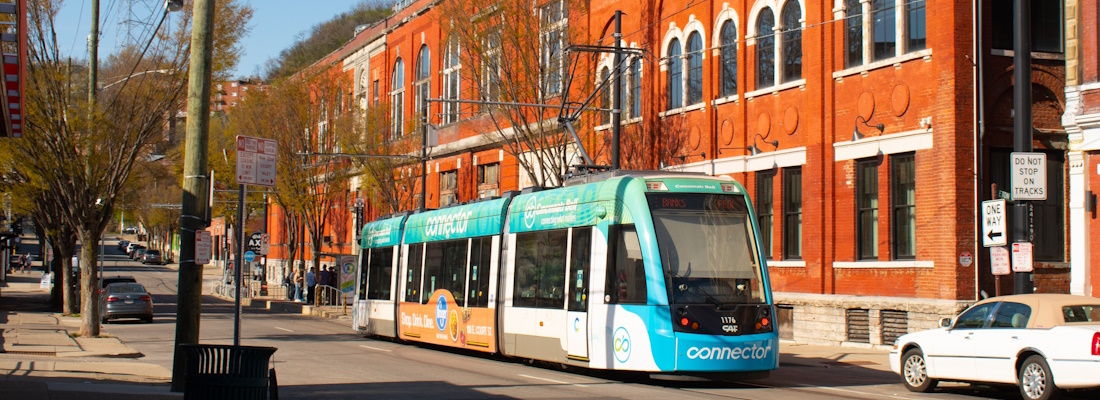
Getting around in Cincinnati is not as easy as it is in other major American cities. Public transport is limited to buses and a single streetcar line. While trains do pass through Cincinnati, they are only useful for interstate travel. As a result, most people in Cincinnati get around by car.

Cincinnati has an incomplete subway system, but despite several attempts to convert the subway tunnels into a light rail system, the subway remains inactive. Those interested in the scenic route could take a riverboat along the Ohio River through the city.


Public transport in Cincinnati

Streetcar

Buses

The bus is the most common way of getting around for those using public transport in Cincinnati, and is the commute of choice for a significant percentage of the city’s workforce. The Greater Cincinnati region is served by two separate bus services, one on either side of the Ohio River. Southwest Ohio Regional Transit Authority (SORTA) is on the Ohio side, whereas Transit Authority of Northern Kentucky (TANK) services the Kentucky side.

Streetcar line

There is a single streetcar line in operation in Cincinnati, known as the Cincinnati Bell Connector, which runs in a loop from Downtown to Over the Rhine, with five streetcars traversing the 18 stops. The streetcar system is free for all passengers. Future expansions have been proposed, but no concrete plans have been implemented.

Useful links

  • Bus riders can use the Transit app to track buses, pay fares and find integrated transit options like bike-shares and ride-hailing.

Taxis in Cincinnati

Although they may not be as abundant as in other larger US cities, taxis are available in Cincinnati. It’s usually possible to flag one down on the street, but it’s recommended to phone and book a taxi ahead of time.

Ride-hailing services such as Uber and Lyft are also available in the city and are often preferred to regular taxis for their convenience.

Useful links

  • Uber and Lyft are popular ride-hailing services

Driving in Cincinnati

You’ll likely need a personal vehicle in Cincinnati, as the public transport system is not as well-developed as in many other metropolitan areas. While fuel costs in the US are reasonable, driving a vehicle can become expensive depending on location, distance travelled, and how frequently you drive.

Expats with a driver’s licence from their home country are typically permitted to drive in the US as long as their driver’s licence remains valid. It’s also recommended, but not necessary, to obtain an international driver’s permit (IDP) in your home country before departure. Even for those who don’t end up using it, the IDP makes renting a car easier and can also act as a secondary form of identification.

Once an expat becomes a resident of Ohio, they should visit the Ohio Bureau of Motor Vehicles to obtain a local driver’s licence. The process typically involves providing proof of identity, residency and legal presence, passing a vision test, and sometimes taking a written or practical driving test. It’s advisable to check the specific requirements with the Ohio Bureau of Motor Vehicles to ensure a smooth transition.

Useful links


Cycling in Cincinnati

red bikes

Cincinnati offers a mix of urban and scenic cycling routes, catering to both daily commuters and recreational cyclists. The city has been making strides in promoting cycling as a sustainable mode of transport, with dedicated bike lanes and shared pathways becoming more common. The Cincinnati Bike Share programme, known as Red Bike, provides an easy option for those looking to rent bicycles for short trips around the city centre.

Alternatively, Bird and Lime’s electric scooters and bikes are littered throughout the city, presenting a convenient choice for the micro-mobile.

For those seeking more adventurous routes, the surrounding hills and parks offer challenging terrains and breathtaking views. Always remember to wear protective gear, especially helmets, and be aware of traffic rules when cycling in urban areas.

Useful links


Walking in Cincinnati

Cincinnati is home to acres of parklands and beautiful scenery, making walking around the city a popular activity. Due to the city’s hilly landscape, walking is mainly recreational, although the Steps of Cincinnati (400 sets of stairs throughout the city) are helpful if getting around on foot is a must.