Print
  • Hold down Ctrl key and select the sections you want to print. If using a Mac, hold down the Cmd key.
  • Use Ctrl + A or on Mac, Cmd + A to select all sections (if you are using the Chrome browser).
  • Click "Apply" and the site will customise your print guide in the preview below.
  • Click the "Print" button and a print pop up should appear to print to your printer of choice.

Moving to San Diego

Living in San Diego as an expat

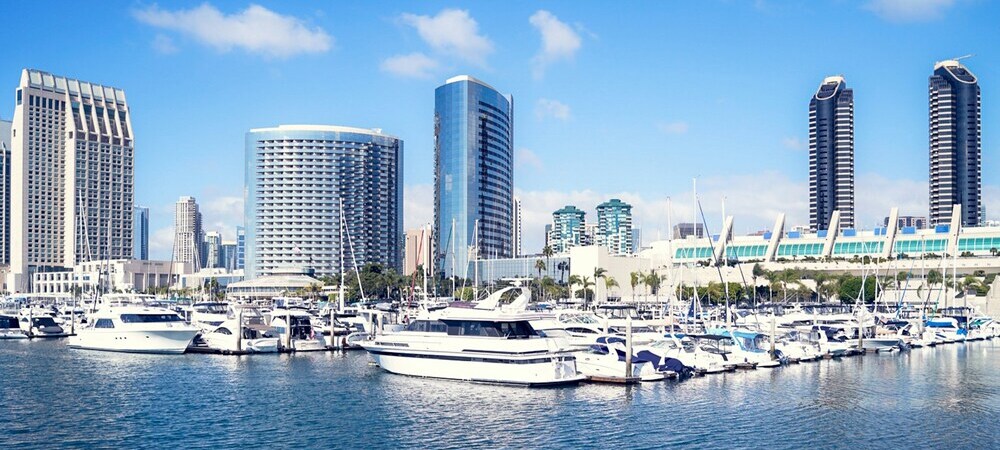
San Diego, the birthplace of California, is a city where history meets progress. Passing through Native American, Spanish, and Mexican hands before becoming part of the United States, the city has a pioneer spirit that can be felt blowing through the palm trees that line its streets and sun-baked beaches. Whether moving here for work or play, new arrivals moving to San Diego are sure to be caught up in the city's dynamic, diverse energy. 

Working in San Diego
Working in San Diego

San Diego has many strong industries that newcomers can find work in, including international trade, IT, tourism, military-related activities and manufacturing. The city has also gained a reputation for its world-class healthcare facilities and cutting-edge biotechnology industry. Online platforms and job portals are the most popular and effective tools for finding work in San Diego.

Work-life balance is taken seriously in San Diego, and, depending on your employer, you're likely to benefit from an employment package that enables you to enjoy everything the area has to offer. Don't be fooled, though – San Diegans might exude a relaxed surfer vibe, but they are motivated and hardworking.

Working in San Diego
Doing Business in the USA

Lifestyle in San Diego

Lifestyle in San Diego

San Diego may be known as the 'craft beer capital of the United States', but the city offers far more than its significant number of breweries. Living in San Diego means blending an active outdoor lifestyle with an incredible assortment of entertainment, dining, and shopping options.

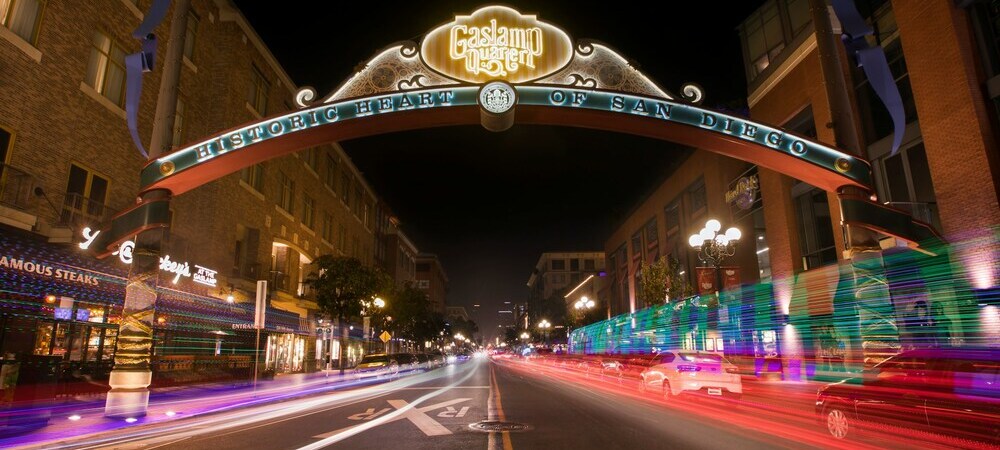
The city's nightlife is centred on the iconic Gaslamp district, a historic neighbourhood in the middle of downtown San Diego, where live music venues, bars, and boutique shops compete for your attention. If you're after a quieter night out, the city also boasts a variety of restaurants, ranging from fine dining to street food and everything in between.

San Diego's pleasant climate and coastal location make the city an appealing choice for outdoor enthusiasts – surfing, swimming, and snorkelling along the region's pristine beaches are enjoyable ways to stay fit and work on your tan at the same time. Hiking and camping in nearby nature reserves are also popular, while the city's many green spaces, including the famous Balboa Park, lend themselves to casual strolls and relaxed picnics.

Lifestyle in San Diego

Finding accommodation in San Diego

Finding accommodation in San Diego

Thanks to its unique geography, spreading from inland valleys to the coast, San Diego offers a wide range of accommodation types that suit just about every taste and budget. Options range from beachfront mansions and rural estates to first-time-buyer condominiums and bachelor apartments closer to the city centre.

The best way to find a place to stay in San Diego is to enlist the services of your relocation company. You might be lucky enough to be with a provider that offers house hunting as part of the relocation package. Alternatively, you can hire a real estate agency or browse through listings on online property portals yourself.

Renting Accommodation in San Diego
Best (and Worst) Areas and Suburbs in San Diego

Cost of living in San Diego

The cost of living in San Diego may be well below that of its Southern California neighbour, Los Angeles, but it’s still pretty high. It’s above both the California state average and the American national average. Fortunately, depending on which industry you work in, salaries are generally high, and as a result, most San Diegans live comfortably.

Housing in outlying suburbs beyond the city limits is generally more affordable than city-centre living, giving you the opportunity to reduce living expenses. As long as you don’t splurge too much on imported products, eating out and frequenting bars, you should be able to easily navigate the relatively high cost of living.

Cost of Living in San Diego

Living in San Diego with children

Living in San Diego with Children

San Diego is a great city for families with children, offering a range of activities and attractions to keep the whole family entertained. This includes famous destinations such as the San Diego Zoo, Legoland California, and the San Diego Zoo Safari Park. There are also countless hiking trails in the hills around the city and plenty of weekend camping spots. San Diego is also home to exciting annual events such as the world-famous San Diego Comic Convention (Comic-Con International).

Finding a school in San Diego

There is no shortage of options when it comes to finding a school for your children in San Diego. Public schools are free to attend, though it's worth noting that admission is based on catchment areas. This means you'll either need to find a place to stay in your preferred school's zone or join the School Choice Programme to have your children placed in an out-of-zone school. International schools are few and far between in San Diego, although the globally recognised International Baccalaureate is taught at select public schools.

Other options include specialised charter or magnet schools, which fall under the public school system, or private schools, which are often faith based. If your children have special educational needs, they'll be well looked after at both public and private schools in San Diego, which routinely assess children with learning disabilities and provide personalised support.

Education and Schools in San Diego

Getting around in San Diego

Getting around in San Diego

Getting around in San Diego is straightforward. The city boasts a well-developed public transport system and plenty of alternatives for those who prefer to drive or cycle.

Public transport is run by the San Diego Metropolitan Transit System (MTS), which provides light rail and bus services throughout the city. Those travelling on public transport frequently will benefit from the PRONTO Card, which caps fares to keep commuting costs down. For scenic trips along the coast, the COASTER commuter train links downtown San Diego with nearby towns such as Carlsbad and Oceanside. 

Taxis in San Diego are also regulated by MTS and can be hailed from the street or booked in advance. Ride-sharing services like Uber and Lyft are also present in the city and are a good alternative to traditional taxis.

Expats can drive temporarily on a foreign licence in San Diego, but will need to obtain a California licence for the long term. Traffic in the city centre and along the area's main transit arteries can be heavy, but most new arrivals prefer a personal vehicle for its convenience. 

Transport and Driving in San Diego

Climate in San Diego

Some see San Diego’s climate as one of the best in the world, with nearly year-round summer. Perfect for a city on the coast, it has a semi-arid climate with only slight variation in temperature between the seasons. That being said, temperatures generally peak in summer, between June and August, averaging around 72°F (24°C). Occasional heat waves are caused by the Santa Ana winds blowing in from the desert.

Weather in San Diego

Newcomers and expats alike moving to San Diego are afforded a high quality of life in a family-friendly setting, plus many job opportunities in multiple industries, making it one of the best cities in the USA to call home. 

Weather in San Diego

The weather in San Diego is influenced by its semi-arid climate, and the city enjoys sunny and mild weather all year round, with only slight variation in temperature between the seasons. The Santa Ana winds blowing in from the desert cause occasional heat waves, making it significantly hotter.

That said, the temperatures in peak summer, between June and August, average between 62°F (17°C) and 76°F (24°C), while temperatures in winter, between December and February, range between 48°F (9°C) and 65°F (18°C). May and June are prone to fog. Rainfall is low, with most of it falling between November and April.


Working in San Diego

San Diego is expected to experience stable job growth for the next few decades, especially with the emergence of high-tech companies, meaning new arrivals looking to be working in San Diego will have access to many job opportunities. The presence of the United States Navy and increased foreign trade further contribute to the city’s growing economy. Other key factors include the city's deepwater port and position along the US-Mexico border.


Job market in San Diego

Job market in San Diego

Sharing a border with Mexico and hosting one of the world’s busiest border crossings means that international trade plays a significant role in San Diego's economy.

In addition, the city's coastal geography forms the foundation of a long association between the city and the US Navy and Marine Corps. As a result, the military industry is one of the city’s most significant sectors and among its largest employers.

Other leading industries include healthcare, biotechnology, research, tourism, and pharmaceuticals. The unique mix of high-tech industries, recreational options and the standard of education in San Diego has gained the city a reputation for being one of the country’s best climates for technological development and employment opportunities.


Finding a job in San Diego

Finding a job in San Diego

Newcomers seeking work in San Diego can get an idea of the job market by browsing popular online job portals such as Indeed, LinkedIn, and Glassdoor. If you are highly skilled, you may benefit from getting in touch with recruitment agencies to scope out opportunities and negotiate important terms such as work conditions and employment packages. Once in the city, networking can be extremely beneficial for getting a foot in the door.

Work Permits in the USA

Useful links


Work culture in San Diego

Work culture in San Diego

San Diego, at a glance, may seem like a laid-back beach town populated by surfers and suburban families soaking up the sun and living comfortable, relaxed lives. The reality is that the city has a rather vibrant economy, with hard-working residents thriving in various booming sectors. 

The city has low unemployment rates, and most large employers ensure that employees are generally happy by affording them generous benefits and plenty of downtime. This, coupled with the great lifestyle and weather and the reasonable cost of living, makes the San Diego workforce one of the happiest in the US.  

Newcomers working in San Diego will find that companies put a real emphasis on investing in their employees in terms of incentives, education and training, which in turn limits turnover and promotes a healthy company culture.

Business Culture in the USA

Cost of Living in San Diego

The cost of living in San Diego runs slightly higher than the state average and roughly 45 percent higher than the national average. If you’re moving to San Diego, you’ll typically earn a lucrative salary and should be able to afford to get by comfortably, although rent costs can put a serious dent in the budget.


Cost of accommodation in San Diego

Accommodation costs in San Diego rank among the highest in the USA. This rising expense has been fuelled by the city’s population growth, which has led to increased housing demand.

San Diego has sky-high rental prices, but some areas and suburbs offer more affordable housing. Neighbourhoods such as City Heights, Mountain View and Paradise Hills provide reasonably priced options in the central and southeastern parts of the city.

Over and above rental costs, you’ll also need to account for an initial security deposit along with monthly utilities. Fortunately, San Diego’s weather is temperate for most of the year, which helps keep electricity usage down despite the city having some of the highest electricity rates in the country.

Accommodation in San Diego 
Areas and Suburbs in San Diego


Cost of transport in San Diego

Public transport in San Diego covers the city well and generally runs efficiently. Commuting costs in San Diego are reasonable and mostly in line with state averages. If you’re a regular traveller, you can reduce these costs by purchasing a reloadable PRONTO card that offers discounts.

If you’re looking to explore outside the city centre, you’ll likely need a car, but this comes at a high cost. In addition to the initial purchase price, you’ll need to budget for maintenance, service, fuel, insurance and toll costs. Alternatively, San Diego is cycle-friendly, and this offers an affordable and healthy way to get around.

Public Transport in San Diego


Cost of groceries in San Diego

San Diego is home to many wonderful farmers’ markets where residents can buy fresh local produce, although prices tend to run higher than at traditional grocery shops. The cost of pantry staples will largely depend on where you choose to shop. Buying imported products at upmarket supermarkets such as Whole Foods and Barons Market costs more than at shops like Food4Less.


Cost of entertainment and eating out in San Diego

One of the best things about life in San Diego is the diversity of entertainment options on offer at different price points. If you love nature and prefer being outside, you’ll have plenty of opportunities in San Diego, with activities such as swimming, hiking and surfing on offer at little to no cost. Events and theatre can be pricey, though.

Eating out in San Diego offers good value, with many restaurants offering fantastic food at reasonable prices. Thanks to the city’s many international influences, there are plenty of cuisines on offer. If you’re willing to shell out, you won’t be disappointed either, with several Michelin-starred restaurants in the city and surrounding area.

Lifestyle in San Diego


Cost of healthcare in San Diego

San Diego boasts excellent healthcare and qualified medical practitioners, but the cost of accessing this care without health insurance is high. Most people moving to the city for work are fortunate enough to have this included in their employment package. If you don’t have this benefit, purchasing comprehensive health insurance is essential to ensure your healthcare needs are catered for.

The cost of health insurance is determined individually but is typically calculated based on age, health status and lifestyle habits. Generally, though, health insurance can be pricey.

Healthcare in San Diego


Cost of education in San Diego

Public schools in San Diego are free for all to attend, and the standard of education in the city varies considerably by district. Some school districts perform better than others, so if you’re looking to send your children to one of the better public schools, you’ll need to prioritise finding a home in the associated catchment area.

Most expat parents are happy sending their children to local schools in San Diego. If you’re in the city for a short assignment, though, you may consider private or international schools that offer a curriculum aligned with that of your home country. This will cost a fair bit, as these schools charge steep fees. Most parents find that the standard of teaching, the school facilities and the variety of extracurricular activities more than make up for the high cost.

Education and Schools in San Diego


Cost of living in San Diego chart

Prices are listed in US dollars (USD) and may vary depending on the product and service provider. The list below shows average prices for San Diego in January 2026.

Accommodation (monthly)
One-bedroom apartment in city centreUSD 3,000
One-bedroom apartment outside of city centreUSD 2,500
Three-bedroom apartment in city centreUSD 5,000
Three-bedroom apartment outside of city centreUSD 4,300
Shopping
Eggs (dozen)USD 5.50
Milk (1 litre)USD 1.20
Rice (1kg)USD 4.50
Loaf of white breadUSD 4.50
Chicken breasts (1kg)USD 13
Cheese (500g)USD 8
Eating out
Big Mac MealUSD 15
Coca-Cola (330ml)USD 3
CappuccinoUSD 5.50
Local draft beer (500ml)USD 8
Three-course meal for two at a mid-range restaurantUSD 100
Utilities/household
Mobile phone monthly plan with calls and dataUSD 80
Internet (uncapped ADSL or cable – average per month)USD 85
Basic utilities (average per month for a standard household)USD 250
Transportation
Taxi rate (per kilometre)USD 2
Public transport fare in the city centreUSD 2.50
Gasoline/petrol (per litre)USD 1.30

Accommodation in San Diego

New arrivals on the hunt for accommodation in San Diego will find that the city offers a considerable variety of housing and a diversity of neighbourhoods. Prospective tenants will have plenty of options, ranging from affordable apartments to single-family homes in the suburbs and luxury beachfront estates.

Many of those who move to the city rent accommodation first while getting to know their environment and the market before making a commitment to buy. If they don’t intend to stay long term, new arrivals in San Diego generally prefer to rent.


Areas and suburbs in San Diego

With more than 100 neighbourhoods, San Diego is as diverse as its landscape and residents. When moving to the city, you are sure to find a neighbourhood that perfectly suits your budget and personality.

Newcomers to San Diego will have their pick between urban, suburban, and beachfront living. Families with children typically prefer suburban and beachfront neighbourhoods because of their easy access to green spaces and sizeable, family-friendly accommodation. Pacific Beach, Hillcrest, Carlsbad, and Kensington are some of the most family-friendly areas in San Diego, and they all boast beautiful freestanding homes, easy access to transport links and proximity to excellent public schools. 

Young professionals and single new arrivals will love neighbourhoods such as Little Italy and East Village in downtown, and Encinitas on the coast. These areas are well loved for their lively and diverse communities, as well as the wonderfully unique eateries, bars, and cafés lining their streets. The only downsides to these hugely popular neighbourhoods are the demand and prices for accommodation, which can both be high. New arrivals looking to snag a good deal in one of these neighbourhoods will need to act fast. 

Areas and Suburbs in San Diego


Types of accommodation in San Diego

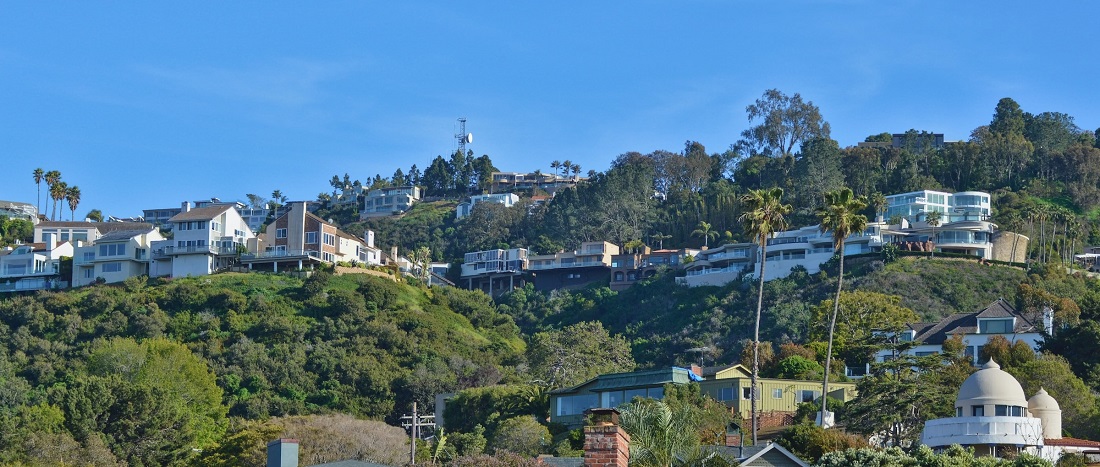
Housing in La Jolla by Daniel Gimbel from Unsplash

Having formed through waves of changing architectural trends, San Diego is a diverse city with a variety of accommodation options. Choices range from apartments and high-rise condominiums in pedestrian-friendly urban districts to Spanish-style homes and stately mansions in picturesque neighbourhoods.

Apartments are readily available in San Diego and range from compact to spacious, with beachfront or downtown units commanding the highest rent. Townhouses can also be found, sitting between apartments and detached homes in terms of space, privacy, and cost.

If you have the budget, you can consider a freestanding house in San Diego. These family-sized homes are most abundant in suburban neighbourhoods and are a great choice if you're after your own personal slice of paradise, often coming with large gardens and garages. 


Finding accommodation in San Diego

The internet is a valuable resource when hunting for a new home, providing you with access to a wide variety of rental websites and online classifieds. Seeing a property in person is the best way for house hunters to make a considered decision, and opportunities can arise from exploring and responding to a neighbourhood’s 'for sale' and 'for rent' signs.

A real estate agent is also a good choice, as these specialists have intimate knowledge of the various neighbourhoods in the city and may have access to property listings before they are advertised publicly. 

You might be lucky enough to have a relocation company assisting you with your home search. Some providers will shortlist properties and arrange viewings as part of their relocation packages, so be sure to check with your relocation company if these services are included.

Useful links


Renting accommodation in San Diego

Renting accommodation in San Diego

Properties can get snapped up quickly in San Diego, so you should be ready to act quickly if you find a place you like.

Making an application

Once you've found a property you like, you'll need to submit a lease application. Proof of income, social security number and identification details also need to be provided. It is likely that prospective tenants will be subject to a credit check, which may be an issue for some expats who have yet to build a credit profile in the country. You might be able to bypass this by securing a guarantor.

Leases

House hunters should be prepared to pay a rental application fee when signing up for a property. Lease length can vary, but most leases in San Diego are signed on a six-month or one-year basis.

Deposits

Tenants will need to put down a security deposit, usually the equivalent of one or two months’ rent. In addition, they will be expected to pay for their first month upfront. Deposits will be refunded within 21 days of vacating the premises, minus the cost for any damage beyond fair wear and tear.

Terminating the lease

If you break your lease contract early in San Diego, you'll generally be liable for the cost of rent until the contract is completed. The landlord is legally required to make a reasonable effort to re-let the unit after you leave, and your contract may have a clause that allows subletting, allowing you to find a tenant to cover the remainder of your contract. Be sure to check the wording of your lease agreement regarding the specifics of early termination.

Read Accommodation in the USA for more on rental processes in the country.

Useful links


Utilities in San Diego

Utilities in San Diego

Utilities such as water, electricity, and gas may or may not be included as part of the rental price – prospective tenants should inquire about this before signing the lease. Residents who will be renting a property in San Diego will likely need to set up their utilities. 

Electricity and gas

San Diego Gas and Electric is the primary electricity and mains gas supplier in the city. To start or stop a service, newcomers will need to call or visit a local San Diego Gas and Electric branch. Digitally inclined new arrivals can also start a service online using the company’s website.

You'll simply need to supply your social security number, address and bank account details to get set up in a couple of minutes. It’s recommended to start the gas and electricity services at least a week before moving in to ensure you have access to these essential services by the time you take up residence.

Water

Most of the drinking water in San Diego comes from the Colorado River. The San Diego County Water Authority manages water distribution in the city. When renting accommodation in San Diego, you can simply fill out an online form, supplying your identification, contact details, service address, and the owner’s details to start the water and sewer service. It's a good idea to start this process at least a week before moving in.

Bins and recycling

The City of San Diego Environmental Services manages waste collection across most of San Diego. Bins should be placed by 6am and removed by 6pm.

There are restrictions on what can be placed in the rubbish container. Regular household waste, animal waste, broken glass, wet ashes or sawdust, and empty hazardous materials containers are allowed in the containers. Hazardous and medical waste are not allowed. You can contact Environmental Services for disposal information. 

San Diego has several recycling programmes for its residents to take part in. The biggest among them is the Zero Waste Plan, which aims to ensure that San Diego is a zero-waste city by 2040. Additionally, the city’s government has entered into an agreement with a private company to secure discounts for composting bins for its residents. 

Useful links

Areas and suburbs in San Diego

The best places to live in San Diego

Areas and suburbs in San Diego sprawl out between the ocean, desert and mountains, providing new arrivals with a diverse range of options that contribute to the city’s seaside-town atmosphere. Here are a few areas and suburbs in San Diego favoured by newcomers.


Suburban living in San Diego

Suburban living in San Diego

Hillcrest

Hillcrest is a bustling neighbourhood known for its coffee shops, independent antique stores, bohemian bookshops and speciality boutiques, all of which contribute to the area’s village vibe. Nearby attractions include Balboa Park and the San Diego Zoo. Many of Hillcrest’s residents live close to their workplaces in a range of accommodation styles, including apartments, condos, and freestanding houses.

Kensington

Kensington, an upmarket area northeast of downtown San Diego, is known for its Spanish Revival houses and quiet, picturesque atmosphere. You'll enjoy strolling through its winding palm-lined streets and exploring the businesses and eateries on Adams Avenue. This peaceful neighbourhood is excellent for raising a family and is close to several good public schools.

Mission Hills

Developed in the early 20th century, Mission Hills is one of the city’s oldest neighbourhoods and is known for the impressive architecture of its well-maintained mansions, craftsman-style bungalows, and stately family homes. Residents have access to everything they need in the area, including parks, a library, shops, and entertainment venues in the city’s commercial district. Situated on the hills to the north of the city, the suburb overlooks downtown San Diego.


Urban living in San Diego

East Village

East Village

The opening of the Petco Park baseball stadium in 2004 helped turn the East Village from a warehouse district into an area with upscale hotels, rooftop bars, gourmet eateries and fashionable cafés. East Village is the largest neighbourhood in downtown San Diego, and accommodation here is mainly made up of luxury condominiums, studio apartments, and lofts. As much as it is an excellent fit for sport-loving new arrivals with the necessary budget, the area is also home to the San Diego Central Library for the bookworms at heart.

Little Italy

Little Italy has gone through an urban revival recently, as old family businesses combine with fresh ideas in this city-centre district. Residents will have access to decades-old shops and restaurants alongside galleries and trendy cafés. New housing developments also mean that you'll have more options when looking for a place to live. Apartments and condos are standard in Little Italy, while detached houses are rare. Parking can also be tricky to come by, although the area is replete with public transport options.


Seaside living in San Diego

La Jolla

La Jolla

La Jolla is a Mediterranean-style seaside village rich in history. Residents have easy access to fine dining, designer shopping, and a thriving cultural scene in a strikingly beautiful setting. Gentle waves along the hilly coastline make swimming, kayaking, and surfing popular activities. As one of the most affluent areas in San Diego, La Jolla offers house hunters a range of options, including cliffside homes above Black’s Beach and upmarket apartments with ocean views.

Mission Beach

Mission Beach offers the opportunity to live the California beach lifestyle in a tamer environment than the better-known Venice Beach in Los Angeles. Surf shops, beach bars, restaurants, and nightclubs entertain residents along a sprawling seaside boardwalk. 

Much of the area’s housing was built to be holiday accommodation, which contributes to the area’s relaxed atmosphere. Expats looking to move to this area have options from double-storey houses to seaside apartments. It also provides a host of family activities and is home to Belmont Park, which offers an amusement park with shops and restaurants.

Pacific Beach

Known for its lively party scene, Pacific Beach boasts a wide range of accommodation options as well as amenities to keep young professionals, students, and retirees alike entertained. This area also attracts families due to its many bike paths, protected swimming areas, and beautiful picnic spots scattered throughout the neighbourhood. 

One of the drawbacks to living in Pacific Beach is the traffic. The neighbourhood is popular with people from all walks of life, creating some traffic congestion. Fortunately, San Diego’s bus service makes quick work of getting to the downtown area outside peak hours. 

Healthcare in San Diego

You'll have a wide variety of choices when it comes to healthcare in San Diego. The city has a good reputation for offering world-class healthcare facilities, with several of them making national rankings.

The clinics and private hospitals in San Diego provide residents with a range of specialities. There are many pharmacies in San Diego, including outlets of large pharmacy chains, as well as a wide selection of independent pharmacies.

As is generally the case in the US, it’s important to have a comprehensive health insurance plan to easily and affordably access the best medical facilities in San Diego.

Below is a list of some of the most prominent hospitals in San Diego.


Hospitals in San Diego

Doctor typing by the National Cancer Institute from Unsplash

Rady Children’s Health

Website: www.rchsd.org
Address: 3020 Children’s Way, San Diego, CA 92123

Kaiser Permanente San Diego

Website: healthy.kaiserpermanente.org
Address: 9455 Clairemont Mesa Blvd, San Diego, CA 92123

Sharp Memorial Hospital

Website: www.sharp.com
Address: 7901 Frost Street, San Diego, CA 92123

Jacobs Medical Center

Website: www.health.ucsd.edu
Address: 9300 Campus Point Drive, San Diego, CA 92037

Paradise Valley Hospital

Website: www.paradisevalleyhospital.net
Address: 2400 East Fourth Street, National City, CA 91950

Education and Schools in San Diego

Education and schools in San Diego are administered by the San Diego County Office of Education, providing services to 42 school districts. These districts provide educational programmes to more than 700 public elementary, middle, and high schools. There's also a wide selection of private schools in San Diego. Public schools are free to attend, and while private and international schools offer high education standards, they usually charge hefty fees.


Public schools in San Diego

Public schools in San Diego

Public schooling in San Diego operates according to catchment areas. While children are automatically eligible to attend the school within their zoned area, applying to a school outside this area is possible through the School Choice Programme.

Generally speaking, the top schools in San Diego are in the most affluent areas and suburbs. Even these vary in quality, and the best way to ensure the school's quality is to see its facilities and staff in person.

Non-English-speaking expats have the option of sending their child to one of the city's dual-language immersion public schools. Most are Spanish, but there are also schools offering German, Mandarin, and French.

Magnet schools

Magnet schools are government-funded schools that offer a specialised focus on one or several subjects, making them a fantastic option for children who show promise in a specific area of their education. There is a wide range of options, from schools with a strong emphasis on maths and science to those specialising in performance arts. Some magnet schools that offer performance arts programmes may require an audition, but placement is normally via lottery.

Charter schools

Charter schools operate on a performance-based contract with the government. In most cases, this means that charter schools can generally be counted on to offer a good standard of education. They have greater freedom in determining their teaching styles and curricula than regular public schools. Some charter schools provide specialised curricula or subscribe to alternative teaching philosophies. Similar to magnet schools, attendance is determined by a lottery.

Education and Schools in the USA

Useful links


Private schools in San Diego

Parents have access to a wealth of private schools in San Diego. While most are co-educational, some are single-sex schools, and most offer unique educational styles. Many of San Diego's private schools offer education through a religious, most commonly Christian, lens. Others favour alternative educational approaches such as Montessori.

Each school has its admission requirements, which may include application fees, tests, and personal interviews. While there are no geographical restrictions on attending a private school, this also means that waiting lists are often long, and there is intense competition for places at the best schools. The academic freedom and facilities these institutions provide come at a price, so private schools are more costly than their public and charter counterparts.


International schools in San Diego

Very few private schools in San Diego are specifically aimed at the expat community. Despite the rarity of San Diego international schools in the traditional sense of teaching a foreign country's curriculum, several public schools offer the globally recognised International Baccalaureate. For the most part, parents looking for schooling with an international element are best off opting for an International Baccalaureate or dual-immersion public school.


Special educational needs in San Diego

The San Diego Unified School District aims to identify, locate and assess all students from birth to 21 years old who may have disabilities. Support is then provided based on an Individual Education Programme (IEP), which is put together by a panel of education professionals in concert with the child's parents.

Depending on each child's individual needs, there are a few possibilities. A child with relatively mild special needs may be sent to a regular public school but receive additional services and support. There are also special day classes for moderate cases and special schools for students requiring a higher level of support.

There are also several specialised private schools in San Diego that are well-equipped to cater for students with special educational needs.

Useful links


Homeschooling in San Diego

Homeschooling is legal in the state of California and is regarded by the government as a form of private schooling. If you're looking to homeschool your children, you'll need to complete and submit the Private School Affidavit (PSA) and submit all their curricular and instructional material for review.

Legally, children must receive some form of education between the ages of six and 18. The state doesn't offer specific guidance and advises parents to seek advice from non-governmental resources such as local homeschooling organisations.

Useful links


Tutors in San Diego

Tutors are a widely used resource in San Diego, especially for students approaching final exams and college applications. There are many reputable companies and individuals offering a range of services for various subjects and grade levels.

Expat children who are struggling to adjust to a new curriculum or who aren't studying in their home language can benefit from tutoring. Tutors can assist bilingual children in brushing up on new language skills while maintaining their mother-tongue language skills.

Useful links

Lifestyle in San Diego

When it comes to shopping and lifestyle in San Diego, you'll have a dizzying array of options. Shopaholics have access to countless shops, boutiques and malls, while night owls can choose from rooftop bars, live music, karaoke and more. Family-oriented new arrivals, on the other hand, will find that the city is home to a variety of attractions to keep the little ones busy, such as the San Diego Zoo, various family beaches and a host of museums.


Shopping in San Diego

Newcomers to San Diego will be spoiled for choice when it comes to shopping in San Diego. Whether searching for designer labels at shopping centres or bargain buys at vintage boutiques, there is a range of options for city residents.

The city boasts a slew of malls, from family-friendly outdoor centres to luxury shopping complexes. Prominent among these is Fashion Valley, a 200-store mall in Mission Valley that hosts millions of visitors each year. The mall offers designer stores such as Gucci and Jimmy Choo, department stores such as Macy’s and Nordstrom, and a wide selection of restaurants and bistros.

For bargain hunters, there are outlet centres all over the city that offer discounts on designer labels and brand names.

There are also several neighbourhoods in San Diego that are well-known for being shopping districts. Areas such as Little Italy, La Jolla, Mission Hills, and the Gaslamp District go over and above the standard shopping experience, offering a variety of antique stores, arts-and-crafts boutiques, and restaurants.


Nightlife and entertainment in San Diego

Nightlife and entertainment in San Diego

The city comes alive after dark with a variety of nightclubs, music venues and bars. The Gaslamp District is especially well known, and the easily walkable neighbourhood offers revellers everything from jazz clubs to outdoor bistros.

San Diego’s repertoire isn’t limited to jazz, though, and patrons have a variety of venues available featuring everything from DJs and karaoke to live rock bands and flamenco dancers. Bar hoppers will be happy to know that the city offers options from old-style pubs to wine bars and exclusive speakeasies.

The city is known as the ‘craft beer capital of America’ and is home to more than 150 breweries of various sizes. Craft beer connoisseurs can go for a tour of most of these establishments or enjoy one of the many events celebrating the city’s craft beer scene, such as the San Diego International Beer Competition.


Eating out in San Diego

With local produce and seafood delivered fresh from the dock, the city is a major attraction for some of the USA’s most talented chefs. Everything from food truck snacks to gourmet cuisine is available in San Diego.

Wine lovers will be pleased to know that a trip to North County leads to one of the finest grape-growing regions in the western US. Crossing through mountain valleys, newcomers with a taste for the finer things in life are sure to enjoy exploring hillside vineyards and visiting family wineries that offer regular tours and tastings.


Outdoor activities in San Diego

Outdoor activities in San Diego

Whether enjoying the beauty of San Diego’s natural landscape, watching one of the city’s sports teams or visiting one of the numerous outdoor attractions, new arrivals who love the outdoors will be right at home in San Diego.

Balboa Park spans 1,200 acres and offers virtually endless outdoor activities. Highlights include the Japanese Friendship Garden as well as Pepper Grove Park, which provides shade for one of the best family picnic spots in the city. The San Diego Botanical Garden is another favoured green space in the city, offering miles of garden trails, countless numbers of plant and bird species, as well as events such as concerts, exhibits, and festivals.

New arrivals with a yearning for the great outdoors will enjoy places like the Torrey Pines State Natural Reserve, which offers hiking trails against a backdrop of pine forests, sandstone canyons, and Pacific Ocean views. San Diego's beaches are another major draw for those who love feeling sand under their feet and sun on their skin. Popular beaches include La Jolla Cove, Mission Beach, and Coronado Beach.


See and do in San Diego

San Diego is well known for its pleasant climate, pristine beaches, and laid-back coastal atmosphere. In addition to the city's outdoor appeal, there are many cultural attractions on offer, ranging from renowned museums to energetic neighbourhoods with buzzing nightlife.

Below are some of the best things to see and do in San Diego.

Gaslamp Quarter

The Gaslamp Quarter is a lively district in the heart of downtown San Diego and is considered by many to be the city's trendiest area. Bars, restaurants, and entertainment venues in charming Victorian-era buildings are available in abundance, catering to everyone from theatre buffs to foodies.

Balboa Park

If you're searching for culture, history, and the outdoors, you'll be thrilled by a visit to Balboa Park. You'll find museums, lush gardens, and even an archery range at the park. Balboa Park's convenient location near downtown San Diego makes it the perfect spot for either a family day out or a solo adventure.

USS Midway Museum

The USS Midway Museum consists of the retired aircraft carrier USS Midway, docked on the waterfront near central San Diego. Visitors can enjoy a variety of restored aircraft, join a tour, or take a casual stroll through the ship to take in the exhibits.


Meeting people and making friends in San Diego

San Diego is a great city to meet people and make friends in. Connecting with new people is easy, thanks to the city's casual vibe, great weather, and welcoming locals. Outdoor activities are particularly popular – consider joining a local running club or participating in yoga sessions or surf classes on the beach. Making use of online platforms like Meetup is another easy way to find people with similar interests. If you want to make connections and contribute to a cause you care about, consider joining one of the city's volunteering groups.

Useful links

Getting Around in San Diego

Getting around in San Diego is fairly easy, regardless of whether you're driving or using public transport. New arrivals will likely not need to buy a car thanks to the city's comprehensive public transport infrastructure. Be that as it may, newcomers who will be hauling children around and those who would like to explore further afield may benefit from purchasing a personal vehicle.

Public transportation in San Diego is administered by the San Diego Metropolitan Transit System (MTS), which operates buses and the San Diego Trolley system. There are more than 100 bus routes in the city and surrounding areas, as well as four light-rail lines.


Public transport in San Diego

Public transport in San Diego

Single tickets for public transport are readily available at stations and are relatively affordable. The most cost-effective option for new arrivals intending to make frequent use of public transport in San Diego is to purchase a PRONTO Card. PRONTO utilises a fare capping system, meaning you'll never pay more than a fixed amount over a certain period, regardless of how many trips you make.

Buses

The public bus service in San Diego is one of the most economical ways of getting around the city. Most buses run seven days a week, with extra services during weekdays and peak traffic times. There are dozens of bus routes that comprehensively cover the inner city and surrounding areas, including rural routes. There is also a rapid transit bus service with nine lines.

Light rail

The San Diego Trolley is the city's light rail system and is one of the most recognisable forms of transport in the city. Also known as the Red Trolley, the light rail service consists of more than 60 stations on four main lines that cover around 65 miles (105km) of track.

A vintage trolley service runs on a single line in downtown San Diego on weekends, select weekdays and during major events. Primarily a tourist attraction, the vintage streetcar Silver Line service is a good way for new arrivals to get to know the city.

COASTER

New arrivals looking to explore the nearby coastal towns, such as Carlsbad, Solana Beach, and Oceanside, can use the scenic COASTER commuter trains. The trains serve eight stations between downtown San Diego and Oceanside, and with 20 or more daily trips, it's the perfect mode of transport for a quick weekend getaway.

Useful links


Taxis in San Diego

MTS is responsible for licensing and regulating taxis in San Diego, as well as ensuring that they adhere to safety standards. Rates vary between companies, but a starting cost (known as a 'flag drop fare') plus a per-mile fee is standard. Cabs in San Diego can either be called in advance, hailed from the street or found at a taxi stand.

Several ride-hailing applications, including Lyft and Uber, also have a presence in San Diego. These allow users to summon a cab directly to their location and get an estimated price for the trip upfront.

Useful links


Driving in San Diego

Driving in San Diego

Given the spread-out nature of the wider region, a car is the most convenient way of travelling outside the city, and most expats moving to San Diego are likely to purchase a personal vehicle. Costs associated with car ownership can be high, though; fuel and insurance are significant expenses for anyone driving on a regular basis. Dense traffic and scarce parking are additional challenges drivers face, so be sure to weigh the pros and cons of driving in San Diego when considering buying a car.

Driver's licences

Expats with valid driver's licences from foreign countries can drive in the state of California, but once they become residents of the state, they will need to get a local licence. Some countries have agreements with the state of California, meaning that their citizens can transfer their driver's licence without needing to retake a driver's test. If you're moving from a country with no specific transfer agreement, you'll need to take a written test on the rules of the road as well as a practical driving test to get a local licence.

Transport and Driving in the USA

Useful links


Cycling and walking in San Diego

Given the favourable weather conditions and support from local government and the private sector, commuting by bicycle or on foot in San Diego is becoming more popular. The city is constantly expanding its network of bicycle paths and lanes. San Diego also has several bike rental companies that offer e-bikes and e-scooters for those looking to explore the city on two wheels.

Useful links