Print
  • Hold down Ctrl key and select the sections you want to print. If using a Mac, hold down the Cmd key.
  • Use Ctrl + A or on Mac, Cmd + A to select all sections (if you are using the Chrome browser).
  • Click "Apply" and the site will customise your print guide in the preview below.
  • Click the "Print" button and a print pop up should appear to print to your printer of choice.

Moving to San Francisco

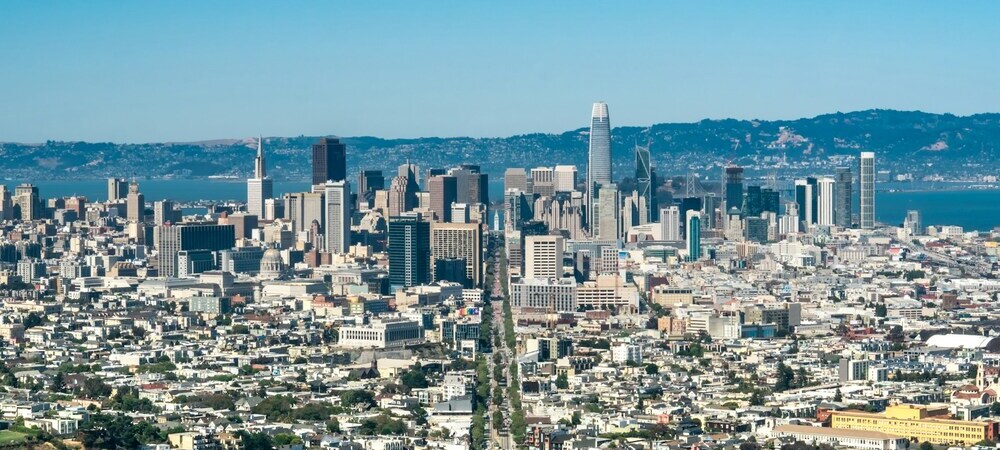
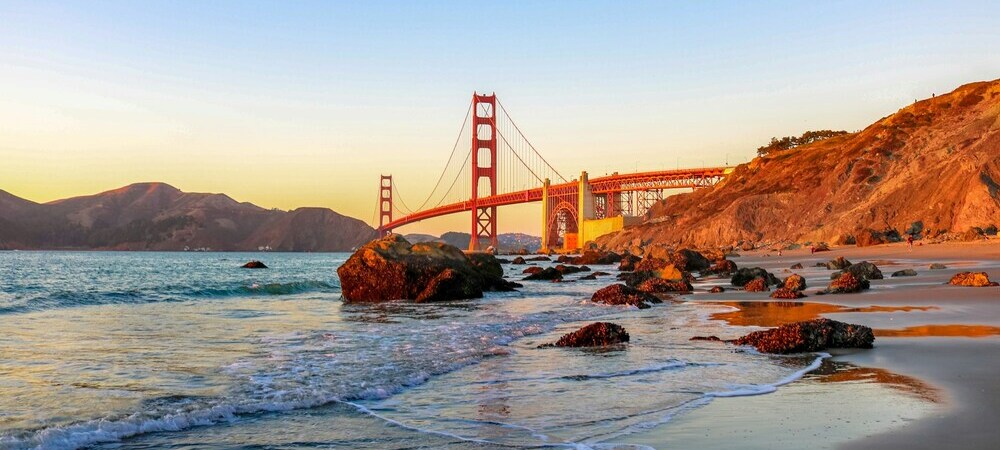
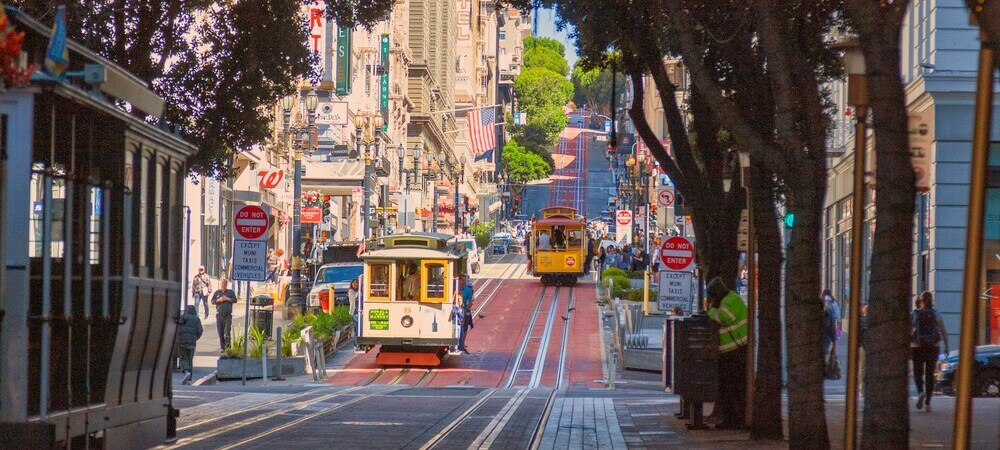
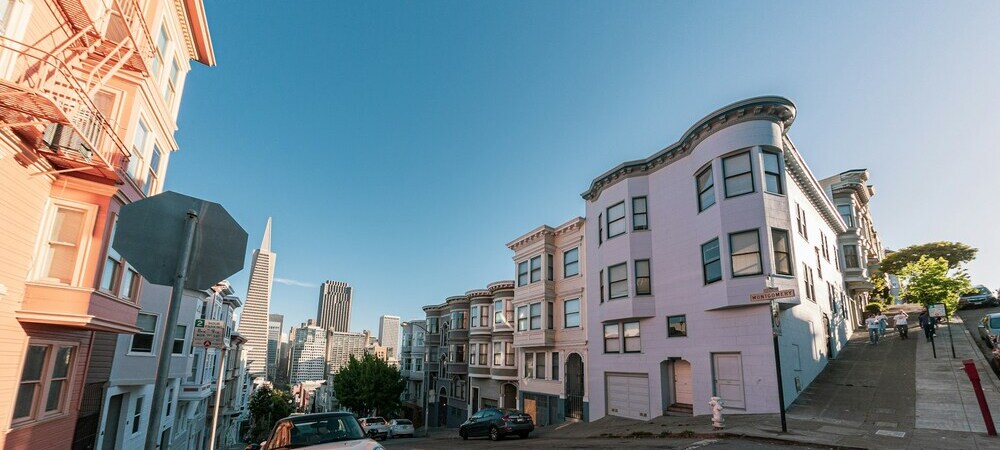
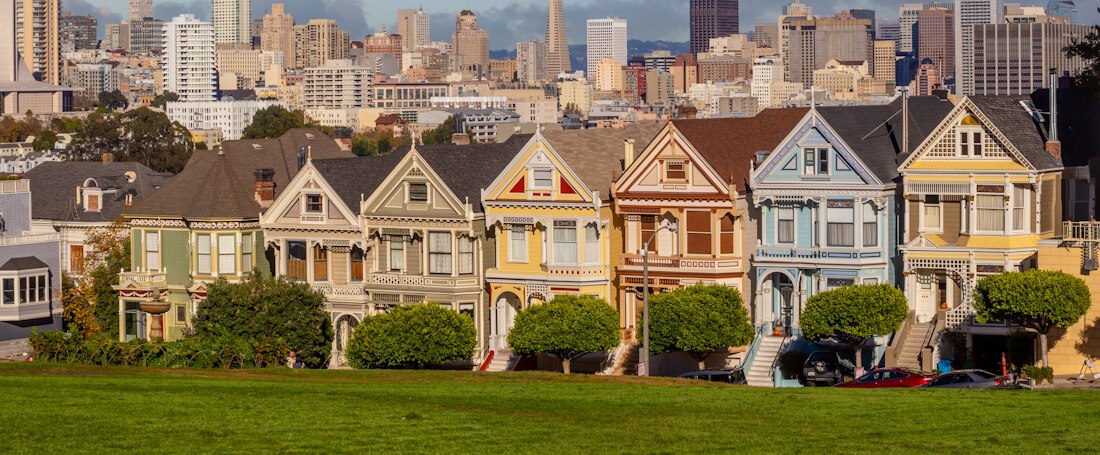
Those moving to San Francisco will be welcomed by the sight of the iconic Golden Gate Bridge straddling the bay. But the city's beauty doesn't stop there. Classic bay-window architecture, steep hills with vintage trams crawling up them, bustling Union Square, the nearby Muir Woods, and the gorgeous harbour are all part of this Californian city's innate charm.

The Bay City has a history of attracting visionaries and entrepreneurs who are often at the creative cutting edge of their time. Today, new arrivals moving to San Francisco join a rich tradition of pioneers, from the gold miners who started the first European settlements, to the counter-cultural movements of the 20th century and the venture capitalists of the tech boom. As much as it is known for its history, migrants continue to be drawn to San Francisco for its vast opportunities and the liberal lifestyle it offers residents.

Living in San Francisco as an expat

San Francisco's diversity and the city’s spirit of progress are likely to shape anyone's experiences of living and working in San Francisco. The largest contributors to the city’s economy are the financial services industry, tourism and of course the high technology of Silicon Valley. A remnant of its role in the California Gold Rush, San Francisco remains one of the largest centres of finance in the United States.

San Francisco’s public transport system is comprehensive and efficient, helped by the city's compact grid layout. The bus system reaches most areas, and the Bay Area Rapid Transit (BART) rail service is another option, not to mention the iconic San Francisco tram system.

The healthcare system in San Francisco is one of the best in the country, and the city is one of the few places in the USA where uninsured residents have access to subsidised healthcare. It also has some of the best hospitals in California, though most will need medical cover to access these.

Cost of living in San Francisco

In some ways, the city is a victim of its own success, and long-time residents often bear the burden. The extremely high cost of living is pushing many residents out of their neighbourhoods which are, in turn, gentrified by wealthier inhabitants. Families are increasingly moving towards San Jose and other parts of the Bay Area. That being said, salaries in San Francisco are higher than the national average, and this balances out the high cost of living to some extent.

Expat families and children

Newcomers will have access to a variety of accommodation in the neighbourhoods of San Francisco, from leafy suburbs to gentrified areas with loft apartments. Parents can choose from quality public, private and international schools in the area. The city also provides a wide selection of options for further education, including the University of California, Berkeley.

It is also a child-friendly city, and kids in San Francisco can hardly be bored given all the attractions and activities for the young and the young at heart. Expat families can spend time in a variety of museums, picnic in Golden Gate Park, or enjoy weekend shopping at one of the city’s malls and shopping districts.

Climate in San Francisco

With cool to mild weather throughout the year, San Francisco has a pleasant climate. There is little variation in average temperature from season to season. Areas immediately on the coast are the mildest. Moving inland, the climate becomes more continental, with slightly cooler winter temperatures and warmer summer temperatures.

San Francisco has much to offer those who can afford it or are willing to cut costs by commuting and living sustainably. It is a city that hums with cultural vibrancy, where industry meets imagination, and people from all walks of life come together. Constantly reinventing itself, those who move to San Francisco might just find themselves a part of history in the making.

Weather in San Francisco

With cool to mild weather throughout the year, San Francisco has a pleasant climate. There is little variation in average temperature from season to season. Areas immediately on the coast are the mildest in terms of climate. As you move further inland, the climate becomes more continental, with slightly cooler winter temperatures and warmer summer temperatures.

Summer is from June to September, followed by autumn, which runs through to November. During these months, the city is frequently covered by a blanket of fog. In winter, rain is common from mid-November to March, so be sure to invest in a raincoat and umbrella.


Pros and cons of moving to San Francisco

Like with any other major expat destination, there are ups and downs to moving to San Francisco. One of the biggest downsides to moving here is the high cost of rent – but for many, the positive aspects, such as the gorgeous aesthetics and artsy culture of the city, outweigh the drawbacks.

Here are some pros and cons to consider before moving to San Francisco.


Culture and lifestyle in San Francisco

+ PRO: Creative, forward-thinking and trendy atmosphere

San Francisco is known for its bohemian and creative environment, which draws in artists, techies, other skilled and talented individuals, and open-minded people. It’s perhaps because the city is a melting pot of so many different cultures that results in such a vibrant, trendy atmosphere and lifestyle

+ PRO: Easy for expats to settle in

San Francisco’s progressive ambience and diverse population go hand in hand. Expats from all over the world live and work in this bustling city, and it’s not too hard to find citizens from one’s own home country. This can help a new arrival settle in quickly and feel comfortable.

+ PRO: Culturally diverse cuisines

Of course, with the diverse culture, San Franciscans benefit from a broad range of menus available in the city. Cuisines from all over can be found in neighbourhoods around the Bay Area, be it Mexican, Vietnamese, Chinese, Ethiopian or Italian. Expats need not go far for a taste of home or to explore some new flavours.

+ PRO: Lots of things to see and do

San Francisco’s residents never get bored, and new arrivals have plenty to see and do. Other than the iconic Golden Gate Bridge, there’s everything from Alcatraz Island to art museums and Union Square for buzzing retail, dining and nightlife options. The pleasant year-round temperatures make outdoor activities popular, too, such as walking and jogging in the city’s myriad parks and exploring the majestic Redwood forests on San Fran’s outskirts.

- CON: Lifestyles are fast-paced

People from the Bay Area are always on the go; many are business-minded and driven individuals. This comes with its own set of pros and cons, but this busy city life is not for someone who wants to live at a relaxed pace. While it depends on which circle expats find themselves in, busy and rushed people may not seem so friendly, and making friends may be difficult.

- CON: Inequality is evident

The high cost of living flows throughout most pros and cons and general aspects of life in the Bay. The inequality between those who can afford all the luxuries and entertainment options on offer and those who live on the breadline is evident. Homelessness is a real issue which can be startling for some new arrivals.


Working and business culture in San Francisco

+ PRO: Job market is competitive but exciting

No commentary about the industry in the Bay Area would be complete without mentioning Silicon Valley. Silicon Valley is not only a regional or national economic hub, but it is also known as a global centre for innovation, technology, start-ups and venture capital and social media. 

Employment options are competitive but not limited, and though the job market is constantly evolving, expats can find work in sectors from tourism to finance and technology, and opportunities abound in freelancing.

- CON: Income tax is high

Residents in San Francisco must contribute to the federal tax, California state tax and city income tax. This adds up quickly, and those new to living here should understand the implications and how to balance their income, cost of living and taxes.


Accommodation in San Francisco

+ PRO: Great areas and neighbourhoods to choose from

There is a wide range of areas and suburbs to search for the perfect accommodation in and around the Bay Area, and each neighbourhood boasts its own unique characteristics. From the trendy area of SoMa or the upmarket vibe of Noe Valley to the family-friendly atmosphere in Walnut Creek, there is something for everyone. 

- CON: Property is outrageously expensive

Accommodation can be prohibitively expensive in the Bay Area. The cost of living in San Francisco is undeniably high, especially regarding the property market. It’s one of the most expensive areas for housing in the US. Buying a house is nearly impossible for the average citizen. Salaries are adjusted for this, but those who live here work hard for their money.

- CON: City-centre accommodation is limited to apartments

In the city centre, rental options are largely limited to apartments – and it’s no secret that gentrification has caused the ever-increasing rise in rent. Families moving to the Bay Area expecting a spacious freestanding house will most likely have to look outside the city centre and commute. Prospective residents should be sure to plan ahead and act swiftly to find the best property at a decent price. 


Safety in San Francisco

- CON: Natural disasters in the San Francisco Bay Area

The San Francisco Bay Area is prone to earthquakes and fires and has experienced major issues in the past. Natural disasters should not be taken lightly, and expats moving to this region must be familiar with safety protocols in case of an earthquake emergency. Fortunately, housing is required to follow earthquake-resistant building regulations, which reduces the risk of damage.


Transport and driving in San Francisco

+ PRO: Many options for getting around

From the Bay Area Rapid Transit (BART) metro to the light rail system and Muni ferries and buses, as well as taxis and bike and scooter sharing schemes, there are plenty of public transport options in San Francisco. Public transport is relatively reliable and frequent – if a bus is missed during the day, it likely won’t be a long wait until the next one arrives.

- CON: Taking public transport may be unpleasant

Public transport is not perfect. Commuting to work can be unpleasant or uncomfortable, and some say the subway system is unclean. We recommend that new arrivals try out their options to figure out which route and mode of transport suits them best.

- CON: Travelling by car can be frustrating

Dodging traffic seems to be one of the biggest challenges in the city, and, as unpleasant as public transport is, driving is no picnic either. Peak-hour traffic leaves drivers frustrated, and finding free or affordable parking in the city centre is by no means simple. Most residents in the Bay Area save on car-related costs (such as gas, car insurance and maintenance) by taking public transport.


Education and schools in San Francisco

- CON: Private schools are expensive

Like anywhere else in the world, private school education comes with a price tag, especially with international schools in San Francisco. There are several international schools to choose from, and these help many parents ease their children into their new homes with a familiar curriculum. 

+ PRO: Special-needs education support is well-developed

San Franciscan schools – both public and private – boast a high quality of education that is inclusive of students with disabilities. Special-needs education is widely available, especially in private and international schools, which accommodate a range of learning difficulties.

Working in San Francisco

San Francisco is the financial hub of the West Coast and one of the world's foremost centres of technology. The city is also considered one of the strongest economies in the US. As such, jobs in San Francisco are in high demand and competition is fierce.


Job market in San Francisco

The San Francisco Bay Area, containing Silicon Valley to the south, has emerged as the technology capital of the United States. The Bay's technology industry is enormous and spans most conceivable areas of research, particularly in the way of advancement in biomedical and biotechnology sectors. It also has an advanced aerospace industry.

Some of the most well-known employers in the Bay Area are household names synonymous with progress and innovation. These include Apple, Tesla and PayPal. The city itself is also at the forefront of internet development and houses many of the world's largest online companies, including Twitter, Dropbox, Craigslist and Pinterest.

This attracts many specialised workers from across the US and beyond who are eager to take advantage of the cutting-edge attitude and the opportunities available in the technology and internet industries in San Francisco.

Despite the size of its more innovative sectors, a large section of the San Francisco economy is still maintained by its tourism and finance industries.


Finding a job in San Francisco

Highly skilled workers with expertise in their field are likely to find a position in San Francisco. Networking is important. It helps to make connections and keep one's ear on the ground for new opportunities or upcoming start-ups, and in some industries, word of mouth is the best way to find a new position. Other potential sources of job listings include online job portals, social networks and recruitment agencies.

In addition to having the right skill set, qualifications and experience, expats looking for work in San Francisco must ensure that they have the correct work permit for the US.

Useful links


Work culture in San Francisco

San Francisco's trendy, bohemian character has influenced the working culture of many of the businesses based there. While it's unlikely that the financial services sector will forego its formal attire, some of the largest corporations in San Francisco Bay are known for having an unorthodox atmosphere with policies geared towards the happiness of their employees.

Many of these companies also place great importance on environmental sustainability and improving the world through technology, as the city continues to be at the progressive forefront of American business.

Cost of Living in San Francisco

The cost of living in San Francisco is high, and if you’re planning a move to the city, you’ll need to ensure you have the financial means to cover expenses. As one of the most expensive cities in both the United States and the world, it rivals New York and Los Angeles in terms of housing, transport, and daily costs.

This shouldn’t put you off moving to San Francisco, though. Salaries in the city tend to be correspondingly high, particularly in the booming tech and finance sectors. That said, you should keep in mind that smart budgeting is essential in Golden Gate City.


Cost of accommodation in San Francisco

Housing is a big-ticket item in your total cost of living in San Francisco. You may have to compromise on aspects like location and size to find an affordable place to rent. Many apartment complexes also have shared laundry, and you’ll need to pay extra for an apartment with its own washer and dryer.

Some rental accommodation includes utilities or gardening costs, which can mean better value for money. With the demand for rental properties being so high, many properties are leased within hours of being advertised.

Renting Accommodation in San Francisco


Cost of transport in San Francisco

Public transport in San Francisco includes Muni’s extensive network of buses, light rail, and cable cars throughout the city, plus Bay Area Rapid Transit (BART) for regional connections to the East Bay and Peninsula. Fares on public transport are generally quite reasonable.

Because of the high price of accommodation in the city, it’s common to drive long distances to work each day, which potentially involves paying several bridge tolls in addition to fuel and car maintenance costs.

Getting Around in San Francisco


Cost of groceries in San Francisco

The cost of food in San Francisco’s supermarkets varies considerably, although new arrivals can find savings by joining store loyalty programmes to get discounts on certain items. Speciality organic food supermarkets often offer higher-quality produce, but prices tend to be higher. Also, imported goods will drive up the grocery bill, so buying local, in-season produce tends to be more affordable.


Cost of entertainment and eating out in San Francisco

One of the most alluring aspects of San Francisco is its fantastic lifestyle. The cost of leisure pursuits and entertainment in the city will largely depend on your personal preferences.

Ticket prices for popular museums, theatre productions, and concerts are quite high, but many theme parks and tourist attractions offer season passes or group deals that can make entertainment more affordable.

Dining out in San Francisco can be expensive, and the city’s restaurant scene matches its high cost of living. That said, budget-conscious diners can find more affordable options, from food trucks to casual eateries, particularly in neighbourhoods outside the main tourist areas.

Lifestyle in San Francisco


Cost of education in San Francisco

Public schools in San Francisco are free, but you’re expected to cover stationery and excursion costs. There are also endless fundraising events at most public schools to cover education costs, although all donations are voluntary.

The cost of private education in San Francisco, as with most cities, is high. International schools that teach foreign curricula, like other elite private schools, have substantial tuition costs.

Education and Schools in San Francisco


Cost of healthcare in San Francisco

Healthcare in San Francisco is primarily paid for with the help of employer-sponsored insurance, but your healthcare costs will be substantial even with coverage. The city’s Health Care Security Ordinance requires employers with 20 or more workers to contribute towards healthcare expenses.

Medical facilities in San Francisco are generally excellent, and the University of California, San Francisco Medical Center ranks among the country’s top hospitals. Premiums for employer-sponsored health insurance have been rising steadily, and you should budget for additional out-of-pocket expenses, including co-pays and deductibles.

Healthcare in San Francisco


Cost of living in San Francisco chart

Prices are listed in US dollars (USD) and may vary depending on the product and service provider. The list below shows average prices for San Francisco in June 2026.

Accommodation (monthly rent)
Three-bedroom apartment in the city centreUSD 6,000
Three-bedroom apartment outside the city centreUSD 4,700
One-bedroom apartment in the city centreUSD 3,500
One-bedroom apartment outside the city centreUSD 2,800
Shopping
Eggs (dozen)USD 6
Milk (1 litre)USD 1.60
Rice (1kg)USD 6.50
Loaf of white breadUSD 5.50
Chicken breasts (1kg)USD 16
Cheese (500g)USD 11
Eating out
Three-course meal for two at a mid-range restaurantUSD 120
Big Mac MealUSD 15
Coca-Cola (330ml)USD 3
CappuccinoUSD 6
Local draft beer (500ml)USD 8
Utilities
Mobile phone monthly plan with calls and dataUSD 65
Internet (uncapped ADSL or cable – average per month)USD 70
Basic utilities (average per month for a standard household)USD 235
Transport
Taxi rate (per kilometre)USD 2
Bus/train fare in the city centreUSD 3
Gasoline/petrol (per litre)USD 1.50

Accommodation in San Francisco

As a city surrounded by water on three sides, San Francisco’s real estate is limited by the same geography that makes it such an appealing destination.

Finding a house or apartment in San Francisco is one of the biggest hurdles new arrivals face when moving to the city. With the rise of Silicon Valley and the influx of techies from all over the world, the cost of accommodation has become eye-watering.

That said, there are many accommodation options in the greater San Francisco Bay Area, where newcomers can opt for an apartment or house within a short distance of the thriving metropolis itself and get to work via an easy commute.


Types of accommodation in San Francisco

The constricted and compact nature of the city has given rise to apartment buildings and divided houses rather than freestanding houses. Detached houses are difficult to find and extremely expensive, although apartments can also be very pricey. 

Most expats in San Francisco prefer renting rather than buying property. Nevertheless, buying may be a viable option for those planning on settling down in the city, since mortgage payments are sometimes less than the equivalent spent on monthly rent. 


Areas and suburbs in San Francisco

Rents in San Francisco vary considerably between neighbourhoods. Expats on a tight budget should avoid affluent parts of the city, such as Russian Hill and instead look for more affordable housing in areas such as Inner Sunset and Chinatown. 

Other factors to consider when choosing where to search for a home in San Francisco include access to public transport and road links, distance from schools and work, facilities available in the area, and safety.

►Visit our page on Areas and Suburbs in San Francisco to find out more.


Finding accommodation in San Francisco
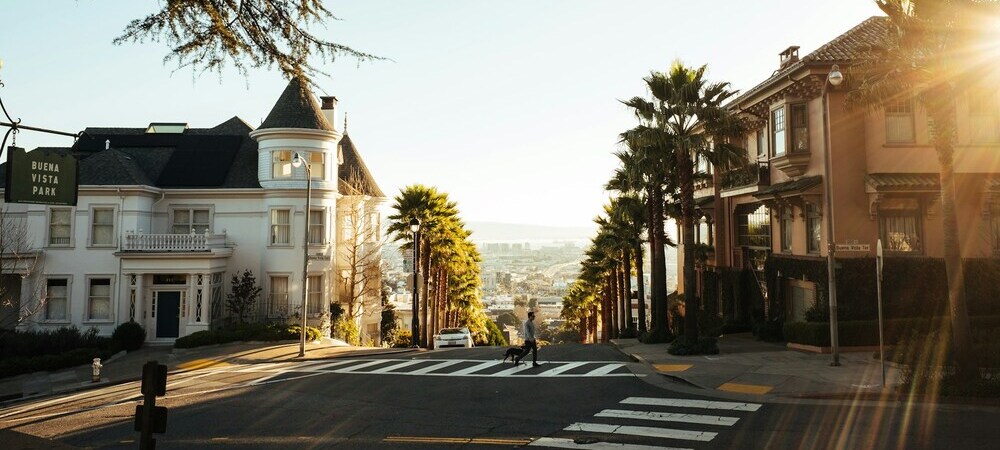
After deciding on a suitable neighbourhood, the best place to begin a search is online. Forums, social networks, property websites and community messaging groups are all popular ways of finding accommodation. Local newspapers can also be a good source for apartment listings.

Of course, house hunters can also drive or walk around an appealing neighbourhood looking for 'For Rent' signs. Another option is approaching an estate agent for information on a particular neighbourhood. They do charge often-substantial fees though.


Renting accommodation in San Francisco

Newcomers to San Francisco should act fast once they find a suitable apartment. Since the rental market in the city is so competitive, apartments are snapped up shortly after being advertised.

Application and lease

It's vital to put in an application as quickly as possible for the best chance of getting the apartment. Potential tenants should be prepared with proof of a positive credit history as well as funds for the rental deposit. Having these elements pre-organised can speed up the process, meaning the lease can be signed as soon as possible. The typical length of a lease is 12 months.

Deposit

The deposit is usually the equivalent of one or two months' rent. In addition to this, tenants will need to pay the first month's rent upfront.

►For more details about the rental process, see Accommodation in the USA.


Utilities in San Francisco

Unless otherwise stated, expats should assume that utilities aren't included in the rental cost. Generally, utilities are an extra expense on top of rent. Expats should make expats make allowance for this in their budget.

Gas and electricity

Pacific Gas & Electric Company (PG&E) provides gas and electricity in San Francisco. Their website allows customers to sign up for service and pay their bills online. There are several different rate plans to choose from, depending on customer needs and preferences. It's also possible to set up an automatic monthly payment through the PG&E website using a credit or debit card or a bank account. 

Water and sewerage

San Francisco Water Power Sewer (SFWPS), also known as the San Francisco Public Utilities Commission, provides water and sewerage services and, in some cases, power. To start receiving services from SFWPS, tenants can give them a call using the number on their website. A number of details are needed to initiate service, and a deposit equal to twice the estimated monthly water and sewerage cost must be paid. The minimum deposit amount is USD 50.

Rubbish removal and recycling

Rubbish removal and recycling in San Francisco is managed by Recology. To have their rubbish collected, tenants can simply put their rubbish outside on collection day. To find out what day rubbish is collected, view Recology's collection calendar online. Bills for rubbish collection can also be paid on the Recology website.

Areas and suburbs in San Francisco

The best places to live in San Francisco

With dozens of areas and suburbs in San Francisco to choose from, there are many options when it comes to finding the right neighbourhood to call home. Whether it be for its architecture, closeness to nature or a cosmopolitan crowd, freshly arrived house hunters are sure to find their ideal home in an area best suited to their needs and lifestyle.


Family-friendly suburbs in San Francisco

Family-friendly suburbs in San Francisco

For those moving to San Francisco with children, it will be a priority to be close to good schools. Suburbs with access to open spaces and facilities that cater for children are an added bonus.

Inner Sunset

Inner Sunset is a relaxed, family-friendly neighbourhood on the western side of San Francisco. With its proximity to Golden Gate Park, residents enjoy easy access to playgrounds, green spaces, and cultural attractions such as the California Academy of Sciences.

The area has a welcoming atmosphere, and there are a number of public and private schools nearby. You'll enjoy the local shops, cafés, and farmers' markets, while the neighbourhood’s walkable and bike-friendly streets make daily life convenient. Inner Sunset is well connected to the rest of the city by Muni Metro Light Rail and bus services, meaning you can enjoy the calm of suburban living without sacrificing convenience.

Walnut Creek

Walnut Creek is a leafy suburb in the East Bay Area of San Francisco. With its green open spaces, sports fields, and facilities for extracurricular pursuits, it's well known for being a family-friendly area.

There is a strong sense of community in Walnut Creek, with a number of good public and private schools in the area. The suburb is linked to San Francisco by the Bay Area Rapid Transit (BART) system and bus. There are also a number of bike lanes and trails for cycling enthusiasts.

Novato

Novato, located in the North Bay region of San Francisco, is another great area for expats with children. There are numerous good public schools in the area, as well as several private schools. Novato has an abundance of parks and museums, so there's plenty for families to do. There is also a growing number of chic eateries and boutique fashion stores in the area.


Young and trendy areas in San Francisco

SoMa, a trendy area in San Francisco

San Francisco is popular with young people starting careers in the area's famous tech hub, and it has some excellent living options for those who want to be close to the hustle and bustle of the Golden Gate City.

SoMa

South of Market, or SoMa as it is more commonly known, is one of the largest neighbourhoods in San Francisco. The area is dotted with trendy clubs, software headquarters, bars, and eateries. It is also close to the Museum of Modern Art.

SoMa’s proximity to the city centre makes it perfect for those who prioritise being close to work, and its massive residential blocks and warehouse conversions are popular with young professionals in San Francisco. There is easy access to major highways and public transport – the convenience is another reason why this area is so popular.

Hayes Valley

Hayes Valley is a lively neighbourhood in central San Francisco. With its boutique shops, art galleries, and stylish cafés, it is a hotspot for young professionals and creatives. The area is well known for its vibrant nightlife and lifestyle, making it one of the city’s trendiest districts.

Regular street fairs, pop-up markets, and public art contribute to a sense of community in Hayes Valley. The neighbourhood combines modern urban energy with a welcoming atmosphere, attracting residents who enjoy a dynamic lifestyle.

Bernal Heights

Full of colourful Victorian-style houses and often referred to as an urban village, Bernal Heights has become popular with artists, young families, and single professionals because of its affordable properties and bohemian charm. The area is brimming with quaint cafés, trendy boutiques, and innovative eateries, and there are also regular markets for you to enjoy.

There are many accommodation options available in the area, ranging from small studios to larger family homes with gardens.


Luxury living in San Francisco

Luxury houses in Noe Valley, San Francisco

On average, rental prices in San Francisco are among the most expensive in the US. Although rent in the city is generally steep, for those who want the very best, San Francisco boasts plenty of upper-class neighbourhoods.

Noe Valley

Noe Valley is one of the most sought-after and prosperous suburbs of San Francisco. Many dot-com millionaires have chosen to call the area home, and it is filled with upscale bistros, boutiques, and cosy bookshops.

The hills that surround the valley give the area a feeling of being removed from the city's urban chaos. Properties in Noe Valley are predominantly low-rise Victorian houses, contributing to the area's historic charm.

Sea Cliff

For those who want the best sea views in the city and are willing to pay for it, Sea Cliff is the ideal location. In fact, Sea Cliff is the only neighbourhood in San Francisco that touches the ocean at Baker Beach and China Beach.

As well as being close to the ocean, residents of Sea Cliff live in close proximity to Lands End, which is part of the Golden Gate National Park. Sea Cliff is also close to a number of San Francisco’s top international schools.

It is an immaculate residential suburb of freestanding properties, boasting a distinct Mediterranean feel. The properties are large and luxurious and generally come with impressive gardens and swimming pools. Rental properties are sought after in Sea Cliff, and you may find it difficult to secure an apartment here, especially during the summer months.

Pacific Heights

Pacific Heights is one of San Francisco’s most prestigious neighbourhoods. With sweeping views of the Golden Gate Bridge, it has long been home to the city’s elite. Upscale restaurants, designer boutiques, and elegant cafés line its streets, adding to the area’s classy atmosphere.

The neighbourhood’s grand Victorian and Edwardian mansions, alongside modern luxury residences, give Pacific Heights a distinctive architectural charm. Its elevated position offers a sense of exclusivity and calm while remaining close to the city’s cultural and commercial centre.

Healthcare in San Francisco

The healthcare system in San Francisco enjoys a good reputation and is defined by high-quality medical centres and good access to treatment.

Most businesses in the area hiring expats will provide health insurance. It's extremely important to have full medical insurance in the US, as hospitals are extremely expensive and non-emergency care can be refused without it.

Pharmacies in San Francisco are widely available in the form of chain pharmacies, in-store pharmacies that are part of a grocery or department store, and independent chemists.


Hospitals in San Francisco

Kaiser Permanente San Francisco Medical Center

Website: www.healthy.kaiserpermanente.org
Address: 2425 Geary Blvd, San Francisco, CA 94115

St Francis Memorial Hospital

Website: www.dignityhealth.org
Address: 900 Hyde St, San Francisco, CA 94109

St Mary's Medical Center

Website: www.dignityhealth.org
Address: 450 Stanyan St, San Francisco, CA 94117

UCSF Benioff Children's Hospital

Website: www.ucsfbenioffchildrens.org
Address: 1975 4th St, San Francisco, CA 94158

Education and Schools in San Francisco

Education and schools in San Francisco reflect the city’s diverse and inclusive character. Public schools offer a wide range of programs, and parents also have access to numerous private institutions. Among these are international schools that provide foreign curricula and language immersion options, giving parents flexibility in choosing the right educational path for their children.


Public schools in San Francisco

Unlike most school districts in America, children in San Francisco do not necessarily attend public schools based on their residential address. The city tries to maintain even demographics in each school based on income, race, and language.

Despite these attempts at equalising schools, some have much higher test scores than others. Parents can choose a number of preferred schools in San Francisco, and the school board assigns their child to one of them. Most of the time, children can attend a school from among their top choices. For this reason, it is vital that parents research the best options available when selecting a school for their child.

Public schooling is free of charge, though after-school care costs extra.

Useful links


Private schools in San Francisco

A young girl drawing in a private school in San Francisco

Many new arrivals opt to send their children to one of the many private schools in San Francisco. Some of these independent schools are highly selective and require children to attend interviews or write entry exams. As this process can take some time, preparations should be made as far in advance as possible. Parents should begin their search for a school as soon as they are able, and it is recommended that they do so far in advance of the move.

Private education is expensive in San Francisco, though scholarships may be available to help finance children's private schooling. The standards of private schools are generally high, making them a compelling choice for those seeking an education grounded in alternative principles or religious values.

Useful links


International schools in San Francisco

International schools in San Francisco are popular with expats as they can accommodate students who have previously studied a different curriculum back home. This includes schools offering French, Japanese, and Chinese education. Teaching is typically in the language of the school's country of origin, so expats can be taught in their home language.

Expat parents favour international schools because they can provide a sense of continuity and familiarity. They also ensure that children keep up with their peers back home and earn the same certification in case they return. This is especially important for expat families who don't intend to settle in San Francisco permanently. 

International Schools in San Francisco


Homeschooling in San Francisco

Homeschooling is legal in the state of California, and for the most part, parents are free to conduct their child's education as they wish. The law requires that all children be given some form of schooling from ages 6 to 18.

The Department of Education regards homeschooling as a form of private schooling. Parents will need to complete the Private School Affidavit (PSA) annually to continue homeschooling their children.

Generally speaking, the state doesn't take a hands-on approach to homeschooling. It advises parents looking to homeschool their children to tap into non-governmental resources such as local homeschooling organisations.


Special educational needs in San Francisco

A child with special educational needs learning Braille in San Francisco

Children with special educational needs are well provided for in San Francisco, as there are a number of resources available.

If parents with children in the public school system think their children may have special educational needs, they should notify the school. An evaluation will be carried out to determine eligibility. If declared eligible for special education services, an Individualized Education Program (IEP) is drawn up by a specialist team. Parents are included in this specialist team and therefore have input into planning the way forward. 

A child's IEP is reviewed at least once a year, and any child with a disability is completely re-evaluated at least once every three years to ensure that current interventions remain appropriate.

When it comes to private schools, some have more robust special-needs departments than others, so it's worthwhile taking this into account when picking a school. If a private school offers a special-needs programme, it may come at an extra cost on top of tuition.

Useful links


Tutors in San Francisco

Tutoring services are easy to find in San Francisco. A wide range of subjects and grade levels is catered for. It isn't uncommon for older students facing their final exams to enlist the help of a tutor to ensure that they are fully prepared.

For expats, tutors can be helpful in areas such as English-language development, maintenance of home language skills, and getting up to speed on a new curriculum.

Useful links

International Schools in San Francisco

San Francisco is a diverse city, with a third of the population having been born in various countries outside of the US. Expat parents will be spoilt for choice as international schools in San Francisco are just as varied, offering curricula from around the world, including bilingual teaching and language immersion programmes.

Many of San Francisco's international schools offer a combined curriculum, often consisting of either the International Baccalaureate or the American curriculum, alongside foreign curricula such as those of France or China. Language immersion programmes include French, Mandarin, Spanish, and Italian, among others.

International schools are especially popular among newly arrived expats looking to give their children an experience as close to school back home as possible. Overall, the standard of teaching in international schools in San Francisco is high, and though fees can be steep, most parents feel the quality of education justifies the extra cost.

Below is a list of popular international schools in San Francisco.


International schools in San Francisco

Kids studying in an international school in San Francisco

The International School of San Francisco

The International School of San Francisco teaches a well-regarded French-English immersion programme from Pre-K to the Elementary level. Post-Elementary, students can opt to undertake either the International Baccalaureate or the French Baccalauréat programme in addition to the US High School Diploma.

Gender: Co-educational
Curriculum: International Baccalaureate, American, and French
Ages: 3 to 18
Website: www.internationalsf.org

La Scuola International School

La Scuola International School (LSIS) is an International Baccalaureate World School that offers a highly regarded Italian immersion programme for kids aged 2 to 14. LSIS takes a Reggio-Emilio-inspired approach to education, with an emphasis on collaboration, inquiry and experiential learning.

Gender: Co-educational
Curriculum: International Baccalaureate
Ages: 2 to 14
Website: www.lascuolasf.org

San Francisco Pacific Academy

A small school of around 100 students, San Francisco Pacific Academy (SFPA) is a bilingual school offering both the Russian and American curricula. The school's small student body creates a warm atmosphere, and small class sizes of no more than 12 children per class allow individualised attention for students.

Gender: Co-educational
Curriculum: American and Russian
Ages: 5 to 14
Website: www.sfpacificacademy.org

Springbridge International School

Springbridge International School (SIS) is a bilingual school with two excellent language immersion programmes on offer – children can either enrol in a Mandarin-English programme or a Japanese-English programme. The American curriculum is studied alongside the Chinese or Japanese curriculum, depending on which language path a student takes.

Gender: Co-educational
Curriculum: American, Mandarin, and Japanese
Ages: 2 to 14
Website: www.springbridgeschool.com

Lifestyle in San Francisco

The lifestyle in San Francisco is what draws in many new arrivals. There's no shortage of things to see and do in the City by the Bay, which is positively brimming with activities for you and your family to enjoy. Aside from world-famous attractions such as the Golden Gate Bridge and Alcatraz, San Francisco is also known for world-class shopping, vibrant and eclectic nightlife and dining options, and the natural beauty surrounding the city. There's also a packed annual events calendar to look forward to.


Shopping in San Francisco

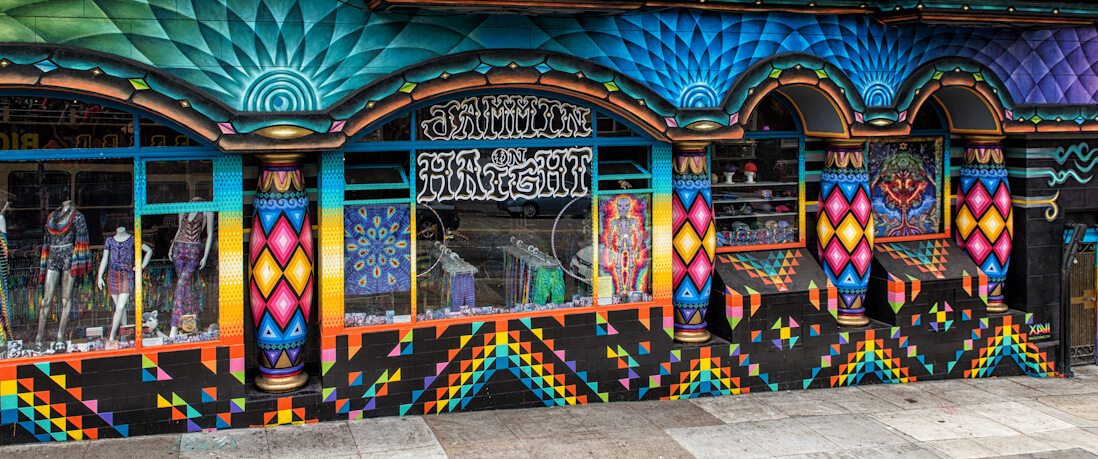
A colourful storefront in San Francisco

There are many fantastic options to explore when shopping in San Francisco. Unlike many other cities, the city’s shopping districts are fairly spread out. Union Square is a good place to start, with some of the most recognisable designer stores. Haight-Ashbury's hippie roots can still be seen in vintage clothing stores and exclusive boutiques.

Fillmore Street runs from north to south, connecting the Marina District and Duboce Triangle, and is considered by many to be the best shopping street in the city. Lined with retailers and restaurants, the area is at the epicentre of upcoming trends and provides a wide variety of shopping options, from second-hand bookshops to upscale clothing stores.


Nightlife and entertainment in San Francisco

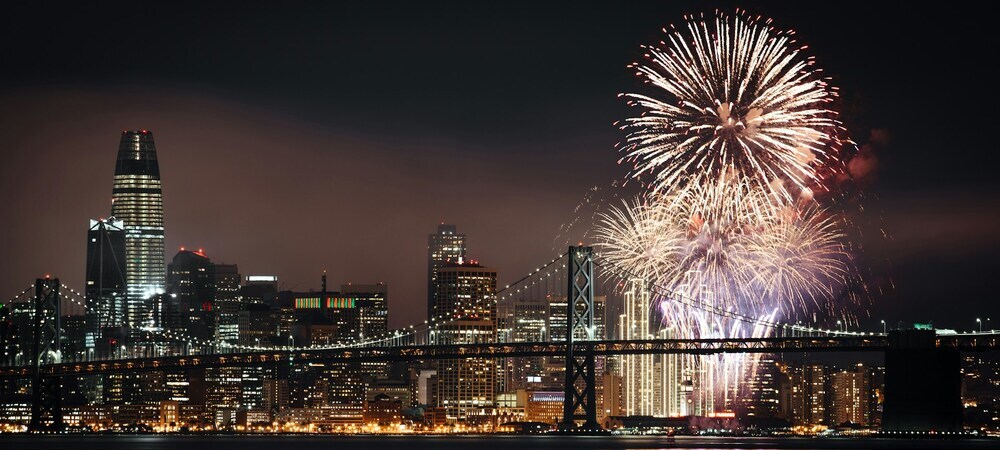
Fireworks in San Francisco

Those looking for a good night out will find no shortage of great bars and clubs in San Francisco. With everything from electronic music and hip-hop clubs to trendy lounges and stylish cocktail bars, there are always plenty of options for a night out on the town.

Head to SoMa to dance the night away, the Mission area for dive bars galore, and the Union District for classy cocktail bars. North Beach, on the other hand, offers a lively mix of jazz clubs and historic watering holes, while The Castro District is famous for its welcoming atmosphere and vibrant LGBTQ+ nightlife. For live music, venues such as The Fillmore and The Independent host everything from indie bands to international acts.


Outdoor activities and sports in San Francisco

The Golden Gate Park is San Francisco's premier outdoor attraction. Bigger than New York City’s Central Park and one of the most visited parks in the country, it attracts 15 million visitors every year. Throughout its vast expanse, visitors can explore, picnic, and exercise at the park’s lakes, groves, trails, and cultural venues – all in close proximity to the iconic Golden Gate Bridge. Muir Woods is a highlight, and it's always pleasant to take a stroll among the centuries-old, colossal redwood trees.

Other enjoyable outdoor activities in San Francisco include taking a boat trip through San Francisco Bay and under the Golden Gate Bridge or exploring the air above the city on a sunset plane trip. Cycling is also a popular activity, whether on the city streets or in the nearby mountains of Marin County.


Kids and family in San Francisco

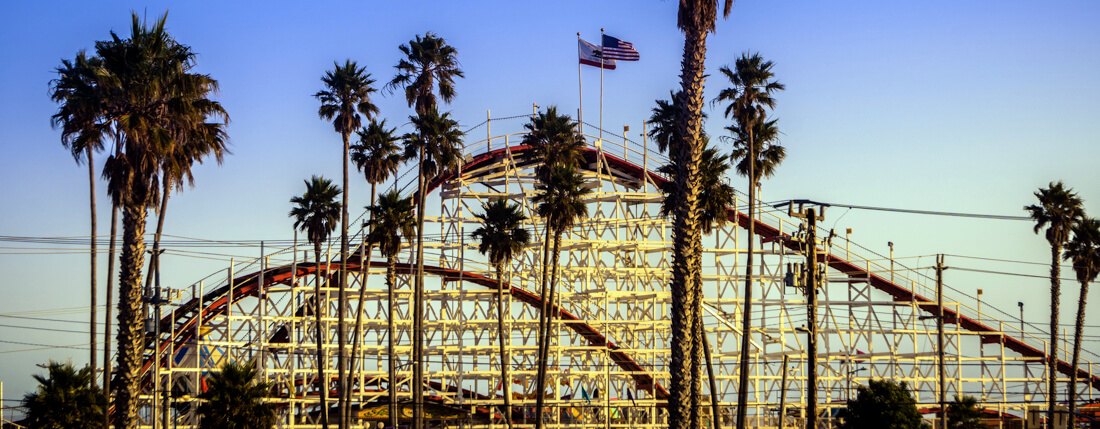
A rollercoaster for kids and family in San Francisco to enjoy

There's plenty to keep you and the kids occupied in the Golden City. For a start, hours of fun can be had at one of the many theme parks surrounding San Francisco, such as California’s Great America, Six Flags Discovery Kingdom, and the Santa Cruz Beach Boardwalk. Playgrounds like the Yerba Buena Gardens are great to visit, and as a bonus, the Children’s Creativity Museum is right next door.

Most kids love the boat trip to Alcatraz, and the self-guided audio tours are fascinating for older kids as they describe jail life, including stories from real inmates. Visiting the sea lions at Pier 39 is also a lot of fun.

Cycling over the Golden Gate Bridge is a popular activity, and a visit to the Exploratorium is a must for those who like hands-on science activities. Golden Gate Park is home to the Japanese Tea Garden, beautiful open spaces, and exciting attractions such as the California Academy of Sciences.

It only takes a short drive to get away from the hustle and bustle of the city. Popular pursuits just outside San Francisco include hiking in the redwood forests at Muir Woods, visiting strawberry farms near Half Moon Bay, or exploring the tidal pools at Fitzgerald Marine Reserve.


See and do in San Francisco

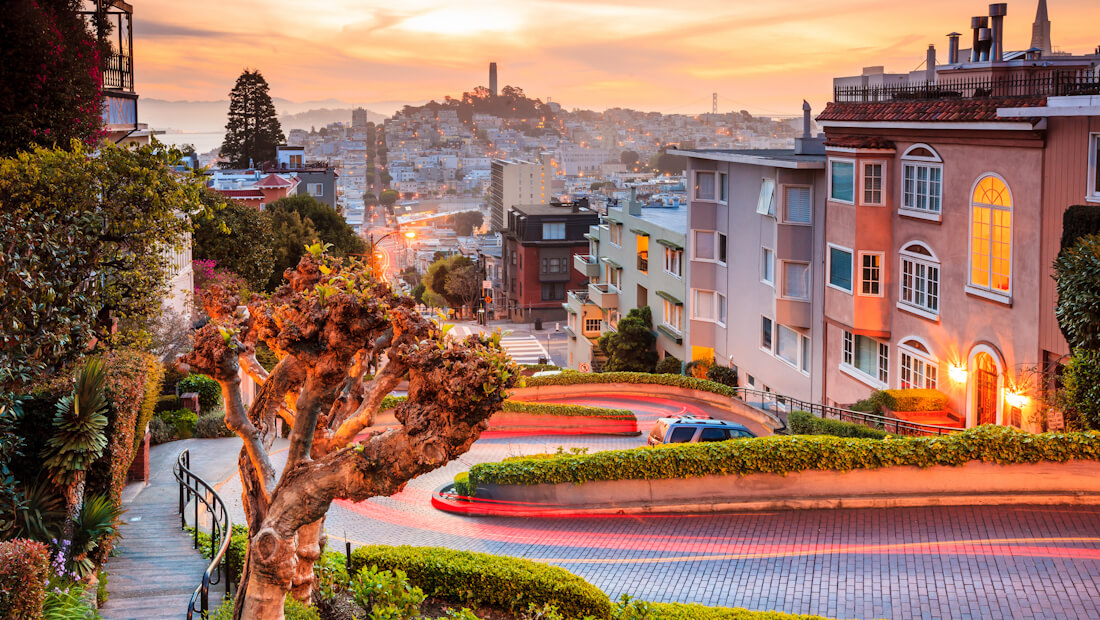
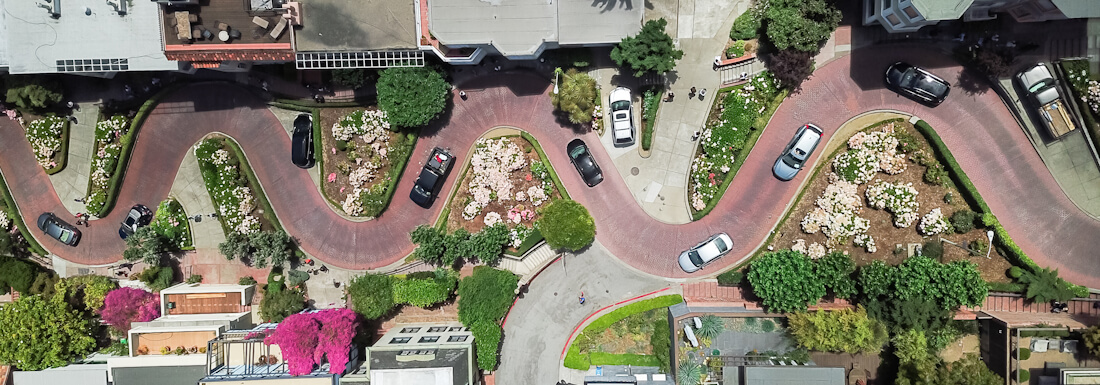
Lombard Street snaking through San FranciscoLombard Street

By some measures, the famous Lombard Street is the most crooked street in the world, featuring eight hairpin turns. Originally designed in 1922 to make the 27-degree slope of the hill manageable for residents, Lombard Street has become one of San Francisco’s quirkier attractions.

Golden Gate Bridge

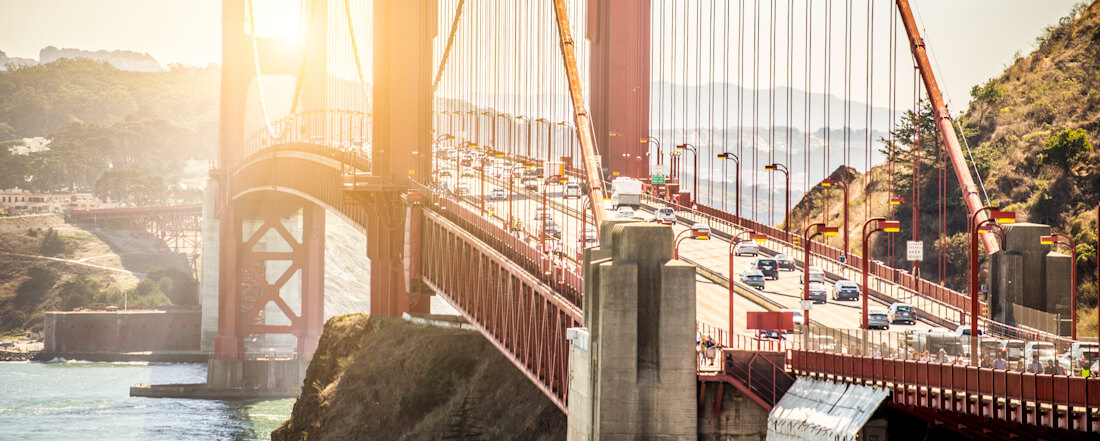
The Golden Gate Bridge is by far the most famous symbol of San Francisco. There is nothing quite like seeing this iconic rust-red bridge in person for the very first time.

Alcatraz

Commonly known as 'The Rock', this allegedly escape-proof island prison once held the likes of Al 'Scarface' Capone and George 'Machine Gun' Kelly. On guided tours, you can explore the prison and learn about the island’s fascinating history.

Aquarium of the Bay

Featuring more than 20,000 aquatic animals, from sharks and starfish to otters and octopi, the Aquarium of the Bay is a fascinating place to spend an afternoon.

Chinatown

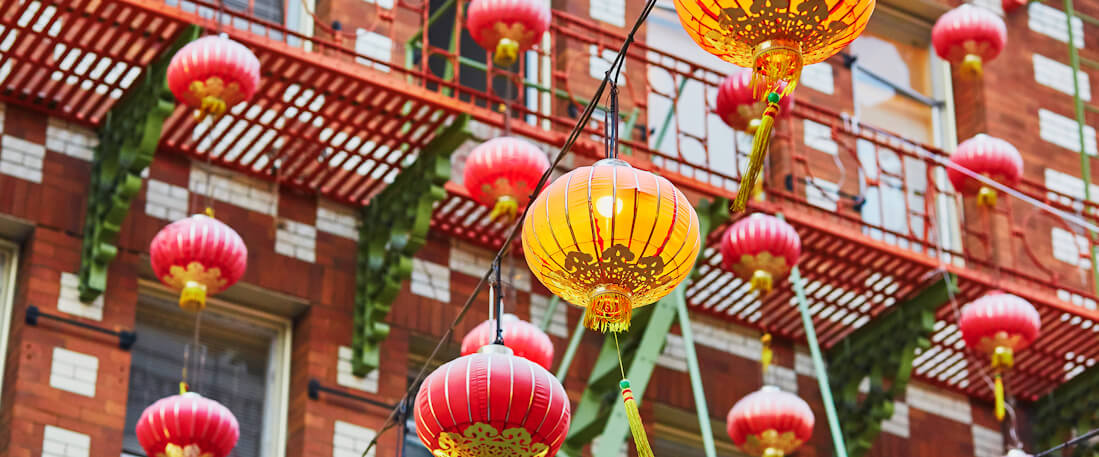
Red lanterns in Chinatown, San Francisco

San Francisco has one of the oldest Chinatowns in the United States. Even today, the area draws more tourists a year than even the famous Golden Gate Bridge. This is a great place to pick up fresh fish and vegetables, spend some time perusing the herbal shops, and enjoy a meal in one of the many enticing eateries.


Meeting people and making friends in San Francisco

Meeting people and making friends in San Francisco can feel daunting at first, but the city’s open and lively culture makes it easier to build connections. Community volunteering, art workshops, and neighbourhood sports leagues provide opportunities to form friendships while getting involved in the city. Joining local fitness groups or cooking classes is also a great way to meet people with shared interests.

Online platforms like Meetup, along with expat-focused Facebook groups, are widely used to discover social events and connect with others. From casual hangouts to interest-based clubs, San Francisco offers plenty of avenues for new arrivals to expand their social circle and feel at home.

Useful links

Frequently Asked Questions about San Francisco

New arrivals headed to the Golden Gate City are sure to have plenty of queries and concerns about their new home. Here are some answers to the most frequently asked questions about San Francisco.

Can I commute easily from the Bay Area?

Many people commute to San Francisco, and public transport options abound in the city: bus, train, ferry and vanpool access is plentiful. Most companies are obliged to abide by the San Francisco Commuter Benefits Ordinance, which requires the company to provide financial support for commuting employees. This can significantly reduce the costs of one's day-to-day.

Is San Francisco safe?

Safety standards in San Francisco are no different from those in other major cities. Common sense is the best deterrent to avoiding petty or serious crime. It's a good idea not to walk alone at night, and it's best to stay out of public parks at nighttime as well. A large population of unhoused people in San Francisco may give the appearance of unsafe neighbourhoods, but they are mostly harmless.

What is the weather like?

Many new arrivals expect San Francisco's weather to consist of constant warm and sunny days, but summer temperatures usually sit around 72°F (22°C). Moist coastal weather meets Californian heat and often blankets San Francisco in a thick layer of fog. Winters, on the other hand, are cold and bring a lot of rain.

Getting Around in San Francisco

Getting around San Francisco is relatively easy, whether you drive yourself or use the city’s public transportation.

The city is small in size, so many of the places people want to visit are within walking distance. It's best to keep in mind, though, that San Francisco is a city of hills, some of which are steep. This is worth paying attention to as you begin to orient yourself.

If you enjoy walking, you're likely to find it easy to walk through most areas of the city, but it may be a good idea to take public transportation in the areas where the hills are steepest.

Most people living in San Francisco own cars, but it's possible to get by without one.


Public transport in San Francisco

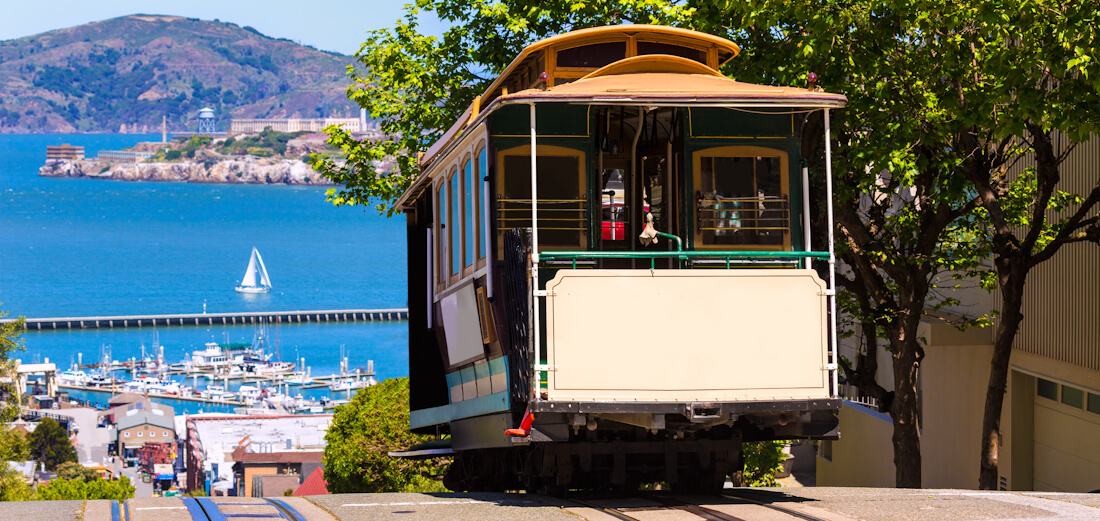
There are many public transport options in the city. Most residents use buses and trains to get around San Francisco on a daily basis. Using the city's famous cable cars and ferrying across the Bay makes for a nice change when enjoying a leisurely day out.

Most, though not all, forms of San Francisco public transport can be paid for with a tappable smartcard known as a Clipper Card. BART, Caltrain and Muni all accept Clipper Cards as payment.

Bay Area public transport

The Bay Area Rapid Transit, or BART, is the city's rail system. With six lines and 50 stations, it's a quick and easy way to travel. The BART is mainly used to cross counties throughout the Bay Area, and is commonly used to commute to work. It serves five counties: San Francisco, San Mateo, Alameda, Contra Costa, and Santa Clara. 

BART trains arrive every 15 minutes on weekdays and every 20 minutes at night and on weekends. Service begins at 5am on weekdays, 6am on Saturdays, and 8am on Sundays, and it ends at midnight.

Other train services connecting San Francisco to nearby areas include the Caltrain and SMART (Sonoma-Marin Area Rail Transit), as well as a few Amtrak routes.

San Francisco public transport

The San Francisco Municipal Railway, or Muni, provides transportation within the city. The Muni Metro is a light-rail service that operates six lines over more than 110 stations, a mixture of underground and surface stops.

Muni also runs San Francisco's bus and streetcar services. Its fleet includes hybrid buses, electric trolley coaches, historic streetcars, and cablecars. 

Arrival times vary according to time of day, ranging from every 5 minutes to every 30 minutes. Several of Muni's routes run 24 hours a day, divided into daytime (5am to 12am) and Owl (12am to 5am) services. Two Muni routes are Owl-exclusive, running only from 12am to 5am.


Taxis in San Francisco

Taxis in San Francisco are reasonably priced, especially since travel distances around the city tend to be short. Frequent use of taxis does add up in cost but they are a great way to get around quickly and efficiently. 

It is safe and easy to wave a cab down on the street, or you can call one in advance. Taxis are available at all hours of the day and night.

Ride-hailing services such as Uber and Lyft are also available in San Francisco.


Driving in San Francisco

Getting around San Francisco in a car is fairly simple, although if you live in the urban city centre, you're sure to encounter traffic, and plenty of it.

One thing to get used to when driving around San Francisco is the many one-way streets. In many areas of the city, drivers cannot turn left off major streets, so they have to make a series of right turns instead. This can be frustrating.

The major problem for most people who own cars in San Francisco isn't driving but rather parking. Parking lots in the city are expensive. Most areas allow free street parking but usually only for two hours at a time.

Those moving to San Francisco from abroad or out of state must obtain a California driver's licence within ten days of becoming residents. For more guidance, visit the California DMV website.