Print
  • Hold down Ctrl key and select the sections you want to print. If using a Mac, hold down the Cmd key.
  • Use Ctrl + A or on Mac, Cmd + A to select all sections (if you are using the Chrome browser).
  • Click "Apply" and the site will customise your print guide in the preview below.
  • Click the "Print" button and a print pop up should appear to print to your printer of choice.

Moving to Indianapolis

People are increasingly moving to Indianapolis, as the city offers new arrivals many attractive prospects. Those averse to big city living will be glad to hear that, even with the influx of newcomers and steady population growth, Indiana’s capital still retains its famous small-town feel. 

Living in Indianapolis as an expat

Young professionals, in particular, seem to be flocking to Indianapolis to take up jobs in the city’s thriving life sciences, healthcare, insurance, and sports-related industries. The city is also home to several Fortune 500 companies, so new arrivals should have no trouble finding work.

Accommodation is easy to come by and pretty affordable. From ritzy and culturally diverse inner city apartments in the downtown suburbs to bigger bungalows and four squares towards the city’s lush – and quieter – outskirts, new arrivals won’t struggle to find a home suited to their taste and budget.

Indy’s residents, or ‘Hoosiers’, as they refer to themselves, certainly know how to have a good time, and fun-loving newcomers, particularly those partial to sport, will fit right in. The city has a brimming sports calendar of just about every variety, but the highlight of the year is undoubtedly the renowned Indianapolis 500, one of the world’s oldest and most prestigious automobile races, and the biggest single-day sporting event on the planet. The weeks leading up to the big race see Indy come alive when downtown explodes with festivals and parties, while race day itself attracts over 300,000 spectators to the famous old speedway.

Not just for petrol heads, though, the city has worked hard to increase the cultural value beyond the racetrack. The Indianapolis Cultural Trail, an 8-mile urban planned pedestrian and bike pathway, connects neighbourhoods and cultural districts. It also offers access to multiple attractions, including museums, galleries, public art, eateries, and shops along the route. In fact, Indy has become something of a Midwest foodie hotspot and has been named one of the most underrated food destinations in the country.

Accommodation in Indianapolis 
Neighbourhoods in Indianapolis
Working in Indianapolis

Cost of living in Indianapolis

Relative to its neighbouring cities, the cost of living in Indianapolis is low, particularly when compared to metros such as New York City. The overall cost of living in Indianapolis sits roughly 10 percent below the national average and is broadly in line with the state average.

Accommodation is remarkably affordable, sitting much lower than the national average. Transport is also quite cheap in Indianapolis, whether by public bus or by car. The city also offers many attractions for free, such as museums, galleries, and monuments, and many bars and restaurants offer specials, so new arrivals can eat out on a budget, too.

Cost of Living in Indianapolis 
Transport in Indianapolis

Families and children in Indianapolis

Newcomers to Indianapolis will find a considerable range of schools to pick from across the 11 public school districts in Marion County. Not all public schools in Indianapolis are of the same standard, though, and some expats may opt for private schooling or even the city’s only international school, but should be aware that these charge high fees.

Healthcare in Indianapolis is superb, and costs sit below the national average. Health insurance is still a significant expense to budget for, though, and prospective residents should factor it in when applying for jobs and negotiating their salary packages.

Indianapolis is incredibly child-friendly, boasting the world’s largest children’s museum, along with the Indianapolis Zoo and Eagle Creek Park, all packed with fun and thrilling activities for kids. Prospective residents who like a bit of greenery will also be happy to know that the city has plenty of leafy parks and fields. Many of these parks have playgrounds perfect for running, dog walking or a family picnic in the sun.

Schools in Indianapolis 
Healthcare in Indianapolis 

Climate in Indianapolis

New arrivals moving to Indianapolis will love the four distinct weather seasons the city offers. Indianapolis boasts hot, humid summers; frosty winters; and pleasant springs and autumns. Temperatures range from 56°F (13°C) to 85°F (29°C) in the warmer months, which allows plenty of opportunities for residents to get out and about. Winter temperatures can drop to 20°F (-7°C) in January and are often accompanied by snow. 

Rainfall is spread throughout the year but is heaviest during late spring and summer. Indiana does occasionally experience severe thunderstorms and tornadoes, particularly in spring and early summer, so newcomers should familiarise themselves with local weather alert systems.

Weather in Indianapolis 
Things to See, Do and Eat in Indianapolis

All in all, newcomers moving to Indianapolis find it a charming city to call home, and residents are friendly and welcoming. Expats will be pleased to know that Indianapolis has a growing immigrant community and that foreigners are received warmly and treated kindly.

Combine that with the city’s lively economy, its multitude of things to see, do and eat, and low cost of living, and it’s easy to see why so many people are choosing to make the Circle City their new home.

Weather in Indianapolis

The weather in Indianapolis is characterised by four distinct seasons and a humid continental climate. Summers are typically hot, humid, and wet, with average highs at around 85°F (29°C) in July. Winters are usually quite frosty and often snowy, with average lows of a crisp 20°F (-7°C) in January.

The absence of mountain ranges to the north of Indy, which allows frigid winds from Canada to strike the city unhindered, exacerbates the cold. Indy nonetheless experiences fewer than 24 snowy days during the year. Average annual snowfall sits at around 26 inches (66cm). Spring and autumn are typically fairly pleasant but unpredictable, with occasional rainfall.

With an average annual precipitation of around 44 inches (112cm), rainfall is spread throughout the year but is heaviest during late spring and summer. The city’s average humidity hovers around 73 percent through the year. December sees the highest readings, when cloud cover is at its densest.

Those who enjoy getting out of the house will want to do so from late spring in May to autumn in September, when Indy experiences its most pleasant conditions. These months are mostly sunny with temperatures ranging from 56°F (13°C) to 85°F (29°C), and there are plenty of opportunities to get outdoors and explore the city’s many attractions.

Sunshine is generally in short supply from December to February, and temperatures drop below freezing. Wind chill on the open prairie can make it feel significantly colder than the thermometer suggests. Snowstorms are also common, and freezing rain can be just as disruptive. Indianapolis is not in a traditional high-risk zone for extreme weather, but it does experience snowstorms, thunderstorms, occasional tornadoes, and heavy rainstorms that can lead to localised flooding.


Working in Indianapolis

Those working in Indianapolis today are most often employed in the service or business industries, although the city was once home to over 60 automobile marques and has deep roots in manufacturing. As in many Midwestern cities, deindustrialisation has taken its toll on Indianapolis, and most automotive plants have been closed.

Nowadays, Indy’s economy mostly revolves around healthcare, insurance, and tourism generated through major sports events and conventions. It’s much more diversified than it was a few decades ago and has seen an influx of younger workers. Job growth has climbed steadily. The city’s appeal to young, skilled jobseekers also owes much to its gentler cost of living compared to nearby cities like Chicago and Columbus.


Job market in Indianapolis

New arrivals in Indianapolis shouldn’t struggle to find a job. The city is home to several Fortune 500 and Fortune 1000 companies, and sports tourism also plays a significant role. Sprawled over 560 acres in the suburb of Speedway is the famous Indianapolis Motor Speedway, which sees hundreds of thousands of people descend on the city every May to watch the most attended sporting event in the US, the Indianapolis (or Indy) 500.

Other major sporting events include the Brickyard 400 and the Men’s and Women’s NCAA Basketball Tournaments. These, as well as the annual conventions hosted in the city, contribute tens of millions to Indianapolis’s job creation and revenue collection.

Healthcare and insurance professionals will also have their pick of jobs, as many companies in these sectors are headquartered in Indianapolis or have regional offices there. The city has increasingly positioned itself as a life sciences hub, anchored by major research institutions and companies like Eli Lilly.

Logistics companies are also widespread, and the city is home to the second-largest FedEx Express hub in the world. The Indianapolis International Airport is also one of the busiest for air cargo transport and employs thousands in the city.

Those who work in education should also find jobs relatively easily. Apart from hundreds of schools, the city is also home to a host of higher education institutions, such as Butler University, the University of Indianapolis, and Indiana University Indianapolis (formerly IUPUI).


Finding a job in Indianapolis

Stock image of a person using a laptop

Finding a job in Indianapolis is best started online. Employers advertise vacancies on web portals such as LinkedIn and on specialist recruiting sites.

Industry-specific agencies, whether in healthcare, insurance, hospitality, or sports, are also a good way to go, as they have intimate knowledge of the job market and can help connect suitable candidates with employers.

Known for its ‘small town feel’, Indianapolis has remarkably tight-knit communities and networks that welcome newcomers and are quick to lend a helping hand in the job search.

Useful links


Work culture in Indianapolis

As in any city, the work culture in Indianapolis largely depends on the individual’s particular industry and company. Generally speaking, though, Indy is much slower-paced than the notorious rat races of big East Coast cities like New York, and there’s a bit more of a laid-back vibe. You can expect a healthier work-life balance overall.

These days, the Indianapolis economy shows healthy growth across various sectors. Unemployment is remarkably low, and job security is mostly stable. Employees are guaranteed the right to work without the obligation to join a union, a right not all that common in Midwestern cities.

Big national and Fortune 500 companies calling Indianapolis home often provide their employees with generous benefits and clear paths for career growth. Smaller start-ups in the tech and hospitality industries tend to allow for more flexibility but can be a riskier choice.

Cost of living in Indianapolis

The cost of living in Indianapolis draws young professionals to Indiana’s cosmopolitan capital for good reason. At roughly 10 percent below the national average, it is remarkably low compared to larger US cities such as New York, and Indianapolis offers an exceptional quality of life.

New arrivals will be happy to know that accommodation, in particular, can be rented for a relatively low price. In fact, most everyday expenses are cheaper in Indianapolis than in other big US cities, while salaries are only fractionally lower than the national average.

Below, we list some costs to consider before negotiating your salary and moving to the Circle City.


Cost of accommodation in Indianapolis

The cost of accommodation in Indianapolis is one of the most attractive aspects of living here. The average housing expenses in the city are over 20 percent lower than the national average, making housing in Indianapolis highly affordable.

Most newcomers relocating to Indy from other parts of the country will opt to rent rather than buy, at least at first. In addition to rental costs, you’ll also have to budget for household utilities. These are generally priced below the national average, although bills can spike in Indianapolis’s cold winters and hot summers.

The downtown area has a booming accommodation market where young professionals and new families rent furnished or unfurnished small to large luxury apartments, duplexes, condos, and lofts. Neighbourhoods surrounding downtown offer a variety of affordable single-family bungalows and houses, as well as larger properties and mansions. The price range is vast enough to suit most preferences.

Best Areas and Suburbs in Indianapolis 
Accommodation and Utilities in Indianapolis


Cost of transport in Indianapolis

The cost of transport in Indianapolis is easy on the wallet, although most residents own a car. The public transport system is affordable, and the bus rapid transit network has improved in recent years. Buses are most popular with commuters. The introduction of electric buses along the Purple Line BRT route has improved both efficiency and sustainability. These electric vehicles also produce far less noise and zero direct emissions.

The tap-and-go MyKey fare card is the most cost-effective and convenient option. It is easily reloadable and offers daily and weekly fare caps. You can manage it through a mobile app.

Indianapolis is a sprawling city, and most residents rely on a car to get around. Public transit coverage is limited outside the BRT corridors, so a vehicle is close to a necessity if you live in the suburbs or have a longer commute. You may feel like you’ll be more comfortable exploring the city with your own set of wheels, particularly if you have a long commute or are eager to venture further afield.

Gas (petrol) isn’t expensive, especially compared to bigger East Coast cities, and second-hand vehicles can be acquired cheaply. One of the biggest daily and monthly costs associated with owning a vehicle in Indianapolis is parking, so consider this when purchasing a car.

Getting Around in Indianapolis


Cost of groceries in Indianapolis

The cost of groceries in Indianapolis is one of the reasons you’ll find the cost of living here so reasonable. If you purchase local brands at popular supermarkets and big box stores such as Kroger, Walmart, or Meijer, you can expect to spend less than in many other major US cities.

Grocery prices rose sharply after 2020, although most categories have since made their way towards more reasonable prices. To manage your grocery budget, use loyalty programmes and coupons available through shop apps. Savvy buyers purchase in bulk and shop at farmers’ markets for seasonal produce.

If you’re in the market for premium and speciality products, several upscale grocery shops offer organic produce and speciality items from around the world. You’ll pay more at these stores, but the selection tends to be excellent.


Cost of entertainment and eating out in Indianapolis

The cost of entertainment and eating out in Indianapolis will depend on your tastes, but budget-conscious newcomers can still enjoy the city’s dining scene and nightlife.

Devour Indy, a biannual citywide dining event, runs in winter (typically January to early February) and summer (late August into September). Hundreds of restaurants offer special three-course menus at reduced prices, and the event is a fantastic way to get to know the city’s culinary scene.

May is another lively time in the city, as it hosts the iconic Indy 500 motor race, during which you can find special rates and promotions all across town. Cultural events like the Indy Jazz Fest, the Indianapolis Pride Festival, and the Indiana State Fair are great ways to experience local culture without a hefty price tag.

Many of the city’s attractions are free of charge. Museums, parks, canal walks, monuments, memorials, galleries, and more can be visited for little or no cost. It's easy to fill up a weekend in Indianapolis without stretching your budget too far.

Lifestyle, Shopping, Attractions and Events in Indianapolis


Cost of education in Indianapolis

Parents will want to factor in the cost of education in Indianapolis. Take some time to research schools to ensure your children continue to receive the educational standard they’re used to at a comparable price. Indiana’s Choice Scholarship Programme (commonly known as the voucher programme) can offset some educational costs; from mid-2026, all Indiana families are eligible regardless of income.

Indianapolis has a wide array of excellent public schools at little to no cost, including several charter and magnet schools, that may meet your family’s needs. Additionally, the city has many private and international schools that provide exceptional education, strong sports programmes, and a wide range of extracurricular activities that public schools might not. That said, private schooling typically comes with high tuition fees.

Education and Schools in Indianapolis


Cost of healthcare in Indianapolis

The cost of healthcare in Indianapolis is an important factor to consider, especially if you’re moving to the city for work or with your family. Indianapolis is a healthcare hub in the Midwest and home to a range of highly regarded hospitals. 

The city is also home to the Indiana University School of Medicine, the state’s only allopathic (MD-granting) medical school. Marian University’s Tom and Julie Wood College of Osteopathic Medicine, also in Indianapolis, opened in 2013. 

The city is divided into four rough quadrants, each served by one of the major healthcare systems. The largest is IU Health (formerly Clarian), which operates 16 hospitals statewide and is currently building a new flagship facility in downtown Indianapolis.

Compared to other Midwest cities like Chicago or Columbus, healthcare in Indianapolis is markedly more affordable. But Indiana’s healthcare is still relatively pricey on an international scale, and you should carefully consider health insurance plans before you move. Negotiate with prospective employers to include medical insurance or at least a contribution towards it in your employment contract.

Healthcare in Indianapolis 
Understanding Health Insurance in the USA


Cost of living in Indianapolis chart

Prices are listed in US dollars (USD) and may vary depending on the product and service provider. The list below shows average prices for Indianapolis in April 2026.

Accommodation (monthly rent)
Three-bedroom apartment in the city centreUSD 2,650
Three-bedroom apartment outside the city centreUSD 1,900
One-bedroom apartment in the city centreUSD 1,700
One-bedroom apartment outside the city centreUSD 1,300
Food and drink
Eggs (dozen)USD 3.80
Milk (1 litre)USD 0.85
Rice (1kg)USD 4.80
Loaf of white breadUSD 3
Chicken breasts (1kg)USD 12.50
Cheese (500g)USD 5.80
Eating out
Three-course meal for two at a mid-range restaurantUSD 70
Big Mac MealUSD 13.50
Coca-Cola (330ml)USD 3.20
CappuccinoUSD 5.80
Local draft beer (500ml)USD 7
Utilities/household
Mobile phone monthly plan with calls and dataUSD 70
Internet (broadband, average per month)USD 70
Basic utilities (average per month for a standard household)USD 230
Transportation
Taxi rate (per kilometre)USD 1.70
City-centre public transport fareUSD 2.75
Gasoline/petrol (per litre)USD 1

Accommodation in Indianapolis

There’s accommodation in Indianapolis to suit all budgets and lifestyles. Listed as the 16th most populous city in the US, this sprawling Midwest metropolis offers a housing market that punches above its weight in quality and variety.

It really comes down to the type of lifestyle that newcomers to the city would be interested in. Proximity to transport, schools, economic hubs, sports facilities, parks, and so on should also be considered before buying or renting a property.

The city has a fast-growing economy. More and more people seem to be flocking to the capital because of its surprisingly low cost of living, colourful neighbourhoods bursting with cultural and culinary hotspots, and a fantastic sports scene.


Areas and suburbs in Indianapolis

Lakefront homes in Indianapolis by Gabe Pierce

Indianapolis has more than 90 neighbourhoods, so new arrivals will find plenty of areas and suburbs to choose from. Families and fun-loving young professionals will all be catered for in the city. Price points run the full spectrum. Downtown Indianapolis is likely the most popular area among young professionals, thanks to its proximity to public transport and workplaces. Often referred to as the Mile Square, Downtown Indianapolis is also home to a range of bars, cafés and cultural attractions.

Broad Ripple Village is located north of Downtown Indianapolis and has a strong sense of community. The area is undergoing ongoing revitalisation, and many new developments have cropped up in recent years. New arrivals looking for newer apartments and condos in an area that hosts quaint galleries and boutiques should look no further than Broad Ripple. Other neighbourhoods for young new arrivals to consider include Keystone at the Crossing and Fountain Square.

Small families looking for affordable housing with easy access to downtown will love Willow Lakes. This southeast neighbourhood boasts many dining options and reasonably priced apartments. Those seeking a tight-knit community in a residential setting should consider suburbs such as Brockton, North Willow and Bates Hendricks.

Bayview and Riverside offer families lake views in a residential setting. Woodruff Place and Crooked Creek are perfect for those families who want to enjoy the great outdoors without sacrificing access to city amenities. New arrivals should note that homes in some of these areas can go for a premium, so it pays to budget wisely.

Areas and Suburbs in Indianapolis


Types of accommodation in Indianapolis

People relocating to Indianapolis will be spoiled for choice, as the city boasts a wide array of housing options. It comes down to which type of community would suit new arrivals best. For some, it’s a younger, modern community in the hustle and bustle of downtown and close to public transport. For others, it’s a quiet area with resident programmes and convenient access to local shopping or a community with more space and access to parks and fields.

Apartments are mainly self-contained units in larger buildings, referred to as ‘flats’ in the UK. Duplexes are buildings divided into two separate living quarters, each with its own entrance. Condominiums are ideal for newcomers to an area. It’s a community of similarly styled homes with shared amenities, usually found in the vibey downtown area.

Single-family homes are smaller, standalone houses, usually on a small plot of land, ideal for families. Bungalows are low houses with only one storey or, in some cases, upper rooms set in the roof, typically with dormer windows. Mansions are more prominent on the outskirts of the city. They’re large houses with five or more rooms, pools, gardens and various entertainment areas.


Finding accommodation in Indianapolis

House searching stock image by Ivan Samkov

Prospective residents seeking accommodation in Indianapolis would do well to begin their search before moving to the city. The internet is flush with property sites, forums, blogs and portals that provide valuable localised information on short and long-term rental listings, amenities, utilities, and more. A word of warning: when sites demand personal information or upfront payment, steer clear. Even if they’re legitimate, there are enough free alternatives that can achieve the same objectives.

Real estate agents are another avenue to pursue when searching for a new home. They can share useful insights on Indianapolis’s housing market – although in the US, realtors are generally more focused on purchasing and selling rather than the rental market.

Some people moving to Indianapolis will be lucky enough to have a relocation company working on their behalf. These firms assess your preferences and shortlist properties for you to view, which can be a real lifesaver when searching from abroad.

Once in Indianapolis, it’s worth picking up magazines and newspapers for local listings or even just going for a drive around prospective neighbourhoods and keeping an eye out for ‘for rent’ signs.

Useful links


Renting accommodation in Indianapolis

New arrivals and expats in Indianapolis tend to rent a property, at least at first. Downtown has a booming rental market where young professionals and new families rent (furnished or unfurnished) small to large luxury apartments in high rises, duplexes in charming brick paved neighbourhoods, or more opulent condos and lofts. Neighbourhoods surrounding downtown offer a variety of more affordable single-family bungalows and houses, as well as bigger properties and mansions. The price range is vast.

Making an application

Once new arrivals have found a potential new home to their taste, they are advised to tender an application as soon as possible, as there will likely be other interested parties. Prospective renters, especially expats, will have to prove (often with bank statements) that they can indeed afford the lease, and agents or landlords will, in all probability, perform background and credit checks.

It’s also prudent to have references and testimonials from current and former employers and former landlords. Where possible, it’s wise for expats to include a reference letter from family members or friends currently residing in Indianapolis or elsewhere in the US with their application.

Leases

Lease agreements in Indianapolis are usually for a full year, but shorter-term leases are common, too. At the termination of the lease, the landlord and tenant can either agree to renew the lease or end it.

Deposits and fees

Indiana’s law makes provision for landlords to collect a one-time deposit from tenants, known as a security deposit. There is no limit in Indiana as to the maximum amount of a security deposit, but usually, it’s the equivalent of a month’s rent, and it’s customarily paid before the start of the lease, along with the first month’s rent.

Deposits can be paid in the form of cash, cheque or money order. An unusual provision in Indiana law allows landlords to accept (but not require) a lien on a tenant’s motor vehicle as an alternative to a traditional security deposit. Deposits can’t be non-refundable, as they remain the tenant’s property, but landlords are allowed to make deductions from the deposit or keep the whole amount for various reasons. These include covering unpaid rent, for damages in excess of normal wear and tear, other breaches of the lease agreement, unpaid utility bills, or, if pre-arranged with the tenant, to cover the last month’s rent. 

Indiana’s landlords must return security deposits or the portion thereof that is owed to the tenant within 45 days of the termination of the lease.

Terminating the lease

It is possible to terminate a lease early, but it is generally the landlord’s prerogative whether the tenant will be liable to pay the full amount of the agreed lease. If the landlord can find a replacement tenant, the previous tenant won’t be liable to continue paying off the lease.

Read more about Renting Accommodation in the USA

Useful links


Utilities in Indianapolis

It is important for prospective tenants to scrutinise a lease agreement very carefully to ascertain which utilities are included in the rental cost before committing. Some utilities may be included, but often, services such as water, electricity, gas, refuse, and internet are not part of the rental price and will be additional expenses for the tenant.

Model house

Electricity

Indiana has a regulated electricity market, so residents cannot choose their electricity supplier. AES Indiana serves Indianapolis and Marion County, while Duke Energy supplies Hamilton County. To start a new service, new arrivals can call AES Indiana’s customer service line during working hours at least three business days before their intended move-in date.

They will need to supply their name and date of birth, social security number, new address and phone number. Those who would like to transfer their service to a new address can simply fill in a form online to get the process started.

Gas

Locally owned and operated utility Citizens Energy Group supplies the natural gas and water in Indianapolis. Newcomers can submit an online application with their identity information, address and social security number to start or transfer a service, and this will typically be responded to within 24 hours. New arrivals without a strong credit report may be required to pay a security deposit to prove their creditworthiness.

Water

Drinking water in Indianapolis is treated and supplied by Citizens Energy Group. The supply is drawn from several sources, including the White River, Fall Creek, and the Geist, Morse, and Eagle Creek Reservoirs. New arrivals can apply for a new water account or transfer an existing one to a new address by completing an online form and submitting the relevant documents on Citizens Energy Group’s website.

Bins and recycling

The Indianapolis Department of Public Works is responsible for waste management in the city. Each household is assigned one collection day per week (Monday through Friday), and rubbish carts should be placed on the kerb by 7am. Lakeshore Recycling Systems (LRS) provides residential trash collection for most of Marion County, while the Department of Public Works and AFSCME service the remaining districts, including the downtown area.

Residents can also dispose of heavy items like furniture; up to two bulky items may be placed at the kerb on the regular collection day. The city also provides toxic and hazardous waste drop-off sites.

Kerbside recycling in Indianapolis is currently a subscription service through LRS. New arrivals can sign up by calling LRS or visiting their website. Free recycling drop-off sites are also available across Marion County.

The city allows its residents to recycle all colours of glass, plastic bottles and jugs, paper and aluminium, tin and steel items.

Useful links

Areas and Suburbs in Indianapolis

The best places to live in Indianapolis

There is a wonderful range of areas and suburbs in Indianapolis that suits just about every taste and budget. Those keen on a bustling urban environment should opt for one of the zones in the vibey downtown area. Families more inclined to some peace and quiet should look into the tranquil environs towards the leafy outer edges of the city.

Below are a few recommended areas and suburbs in Indianapolis for newcomers and expats.


Neighbourhoods for young people in Indianapolis

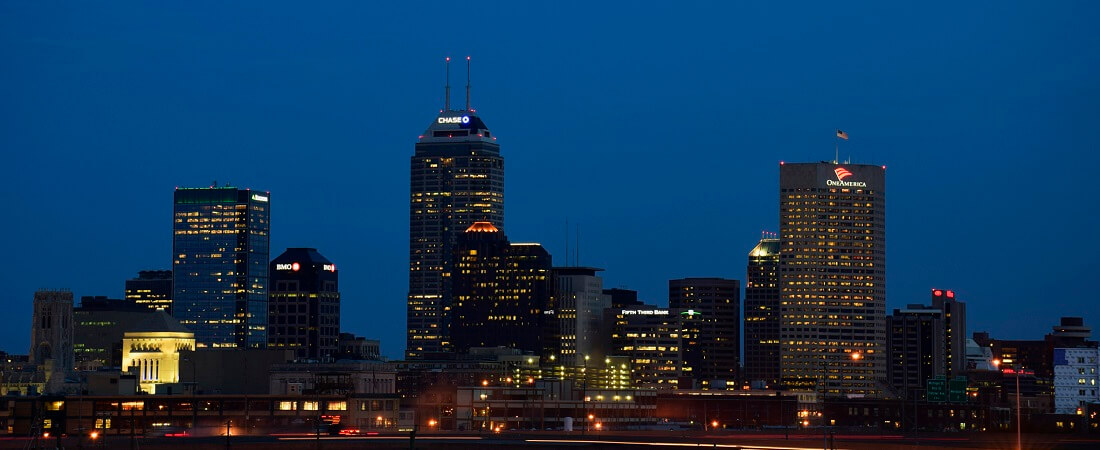
Downtown Indy. Chris Bowman. Flickr. 13990589584_cfbbb22e05_oDowntown

As in many major US cities, Indianapolis’s downtown area is rather expensive. The trade-off for the high rental costs is that residents have easy access to a wide range of amenities and hot spots. Restaurants, cultural landmarks, sports stadiums, museums, bars, and nightlife spots are within walking distance, and there’s also excellent access to public transport. The Wholesale District is one of the most sought after, but the wider downtown area has neighbourhoods to suit different budgets and tastes. Housing runs from converted warehouse lofts to luxury high-rise condos.

Fountain Square

Just southeast of downtown, the ethnically and socially diverse Fountain Square is a haven for artistic types, so new arrivals and expats of that inclination will fit in here really well. With something of a small-town feel in a big city, the little neighbourhood resembles a European village to an extent, with its town square and central fountain.

It’s a vibrant suburb with eclectic eateries, striking architecture, and a range of attractions and entertainment, particularly visual, literary, and performance art. Virginia Avenue is a stunning walk, particularly for foodies looking to indulge in a variety of cuisines. Fountain Square also has easy interstate access for commuters.

Broad Ripple

Popular among young professionals, Broad Ripple is a fun neighbourhood about six miles north of downtown Indianapolis. Dotted with unique and varied restaurants, cafés, and bars, the suburb also has an artistic vibe that attracts young and old alike. Young families and professionals new to Indianapolis will find plenty of housing options in the form of single-family bungalows, smaller, older apartments, and lofts. Small local businesses abound, and newcomers will discover breweries, comedy clubs, and bars around every corner.


Family-friendly neighbourhoods in Indianapolis

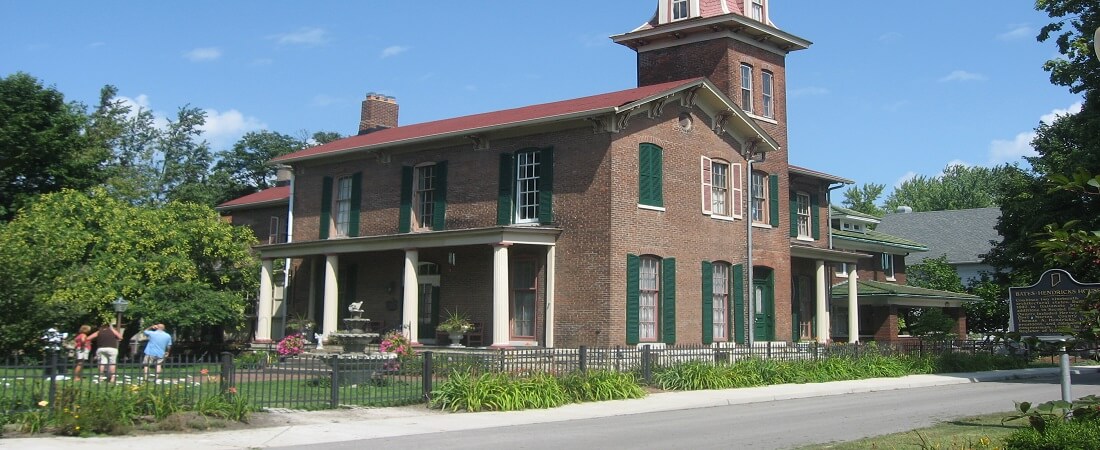
Bates-Hendricks. Nyttend. Wikimedia CommonsBates-Hendricks

The exciting and up-and-coming neighbourhood of Bates-Hendricks lies just south of downtown. The little suburb is in a great location, close enough to downtown for a walk or a short bike ride, but also far enough to eliminate most of its noisy bustle. Characterised by turn-of-the-century homes, unique buildings, and a strong sense of community, Bates-Hendricks has everything from modest single-family bungalows to two-storey living.

Young professionals have been flocking to this growing suburb over the last few years, mainly owing to its reasonable rental prices and relatively low cost of living. Its proximity to downtown attractions and restaurants makes it an appealing option for newcomers and expats looking to get by without a car. Bicycle lanes also make for easy commuting about town.

Irvington

Irvington is Indianapolis’s largest protected historic district, about five miles (8km) east of downtown along the old National Road. It was founded in 1870 as one of the city’s earliest planned suburbs and used to be home to Butler University. It still carries that scholarly, slightly eccentric character. In Irvington, tree-lined streets accompany the many beautiful Queen Anne cottages, Craftsman bungalows, and Tudor revivals, the vast majority of which predate 1960.

The neighbourhood is walkable, and there are local shops and eateries clustered along a compact stretch of Washington Street. Schools are close at hand, and the community’s active civic council organises events year-round. Easy access to I-465 and the IndyGo bus network keeps commute times manageable.

Woodruff Place

Recognised as Indianapolis’s first planned residential suburb, Woodruff Place is located a mile east of downtown. New arrivals and expats in Indianapolis looking for more space and bigger homes will want to browse here. The neighbourhood is known for its handsome Victorian-era homes and other classic and charming architecture. It’s the perfect area for those who like walks and bicycle rides in lush surroundings but also want easy access to downtown restaurants and other attractions.

Healthcare in Indianapolis

Healthcare in Indianapolis is well established; the city has long been considered a medical hub in the Midwest. The metro is served by four major healthcare systems: Community Health Network (Community), Indiana University Health (IU Health), Franciscan Health (Franciscan), and Ascension St. Vincent. All four operate multiple hospitals across the metro.

The city is also home to Indiana University School of Medicine, the largest medical school in the United States, as well as the national headquarters of the American College of Sports Medicine.

Although healthcare in Indianapolis is slightly more affordable than the American average, it is still rather expensive, and health insurance is something you will need to consider carefully before your move. Choosing the right plan takes some research and comparison, but coverage is a necessity for anyone settling in the city.

Read more about Healthcare in the USA.


Hospitals in Indianapolis

Indiana University Health Medical Center

Website: www.iuhealth.org 
Address: 550 N University Blvd, Indianapolis

IU Health Methodist Hospital

Website: www.iuhealth.org 
Address: 1701 N Senate Blvd, Indianapolis

Franciscan Health Indianapolis

Website: www.franciscanhealth.org 
Address: 8111 South Emerson Ave, Indianapolis

Ascension St Vincent Hospital

Website: healthcare.ascension.org 
Address: 2001 W 86th St, Indianapolis

Community Hospital East

Website: www.ecommunity.com 
Address: 1500 N Ritter Ave, Indianapolis

Community Hospital North

Website: www.ecommunity.com 
Address: 7150 Clearvista Dr, Indianapolis

Community Hospital South

Website: www.ecommunity.com 
Address: 1402 E County Line Rd, Indianapolis

Sidney & Lois Eskenazi Hospital

Website: www.eskenazihealth.edu 
Address: 720 Eskenazi Ave, Indianapolis

Education and schools in Indianapolis

Education and schools in Indianapolis are shaped by one of the most active school choice environments in the United States. New arrivals in the Circle City will need to consider a few different factors when choosing schools for their children. These include the proximity of the school to their places of residence and work, the standard of teaching, the type of school and, of course, tuition fees. Parents will also have to decide whether to enrol their children in a public or private school, and whether to hire a tutor.


Public schools in Indianapolis

The quality of public schooling in Indianapolis varies, and parents will have to explore options thoroughly before committing to a school.

There are 11 public school districts serving the residents of Indianapolis. The biggest of these is Indianapolis Public Schools (IPS). IPS is the second-largest public school district in Indiana and serves around 30,000 students across its district-managed and innovation network schools. The 11 districts operate a range of traditional public schools, as well as magnet and charter schools.

Admission to public schools in Indianapolis is usually based on zones. Students living in a local area may enrol at the school in that area at little to no cost. Students may apply to schools outside their zone through the Enroll Indy OneMatch lottery platform; however, they will not be guaranteed transport to out-of-zone schools. Indiana law prohibits public school districts from charging tuition or fees to transfer students. Some public school districts offer open enrolment, and students can move between districts under certain conditions. Families can compare and apply to public and charter schools across Indianapolis through the Enroll Indy platform.

Read more about Education and Schools in the USA

Education by Thomas Kolnowski

Charter schools

Charter schools are semi-autonomous public schools that receive public funds. These schools operate under a contract with an authorising body. Authorisers include the Indianapolis Mayor’s Office of Education Innovation, the Indiana Charter School Board, and certain universities. The contract details how the school will be organised and managed, along with methods of assessment, goals, and programmes. Charter schools do need to follow state-mandated curriculum standards, although they have more flexibility in how the curriculum is delivered. 

Students may choose to enrol in a charter school regardless of where they live and whether they fall in a particular school zone. If there are more enrolments than places available, students are selected for admission through a lottery system.

Magnet schools

Magnet schools are classified as public schools but have specialised courses or curricula. They typically offer bespoke programmes in science, technology, engineering, maths, performing arts, or languages. The term ‘magnet’ refers to how these schools typically draw students from across normal boundaries, such as school zones. 

There are magnet schools at the elementary, middle, and high school levels. They are primarily funded by the state but may receive additional outside funding. Magnet schools must still follow Indiana Academic Standards; their flexibility lies in how they deliver the curriculum and the specialist focus they add on top.

Some magnet schools may have admission requirements that allow them to select their students. This could be in the form of an entrance exam or an audition. That said, the vast majority of magnet schools accept all applicants or, like charter schools, use a lottery system.

Useful links


Private schools in Indianapolis

Private schools in Indianapolis generally offer smaller class sizes, better facilities, advanced placement and honours programmes, and a wider range of extracurriculars than their public counterparts. Student-to-teacher ratios are also much lower in private schools, with the average in Indianapolis being around 13:1.

Private education does come at a cost, though, and parents will have to factor tuition fees into their budget. Additional expenses associated with private schooling include uniforms, books, field trips, and other extracurricular-related fees.

Indianapolis has more than 130 private schools of differing standards and price ranges, serving nearly 30,000 students. Tuition fees differ considerably between schools, and the average acceptance rate is around 80 percent. Most private schools in Indianapolis (nearly two-thirds) are religiously affiliated, generally Roman Catholic and Christian.


International schools in Indianapolis

Expats looking for international schools in Indianapolis will find one standout institution: the International School of Indiana (ISI). ISI offers students access to the certified full continuum International Baccalaureate (IB) programme and immersion programmes in Spanish, French, and Mandarin. Students pick up a third language in Grade 6.

Founded in 1994, ISI offers high-quality education for three-year-olds through to Grade 12 and serves around 550 students. Students from over 50 nationalities attend ISI, and the school provides a natural community for expat families settling in Indianapolis.

Useful links


Special educational needs in Indianapolis

Special-needs education by Eren Li

Under federal and Indiana state law, each local school corporation must make available services for children ages 3 through 21 with special educational needs in Indianapolis. This law guarantees all students with disabilities the right to a free appropriate public education designed to meet their individual needs. It also offers protection for the rights of students with disabilities and their parents.

Public and private schools in Indianapolis make provision for students with special educational needs, including support structures and programmes for children with mental, developmental, behavioural or physical disabilities. If the disability is too severe for the child to attend a public or private school, Indianapolis has several special education centres and facilities that are specifically geared towards children with special needs.

Useful links


Tutors in Indianapolis

Whether your child is having trouble with Grade 4 science or needs help tackling university entrance exams, you will find no shortage of good tutors in Indianapolis.

Schools can often recommend reputable private tutors in the field where extra help is required, or parents could approach any of the many tutoring companies operating in Indianapolis. Web portals could also point parents in the direction of legitimate and vetted tutors, but they are advised to do thorough research on the company before admitting their child into their care.

Tutors can be a great source of mentoring, confidence-building, and individualised learning. Sessions can be conducted at a learning centre, at your home, or via video call.

Useful links

Lifestyle in Indianapolis

Known as the Crossroads of America because of the many highways and rail routes that meet here, Indianapolis is a well-visited city with a diverse culture. The lifestyle in Indianapolis is varied, and new arrivals will find all sorts of activities and events to suit their preferences.

The people of Indianapolis, often referring to themselves as ‘Hoosiers’, know how to have fun. A typical sports-crazed city, Indianapolis has a brimming sports calendar of just about every code, including the biggest event of the year (and the largest single-day sporting event in the world), the extremely popular Indy 500.

It’s not all about blood, sweat and high octane, though – culture vultures and foodies can also get their fix in the Circle City. Indy is dotted with a variety of museums, galleries, theatres, unique bars and breweries, exciting eateries and artisanal shops. Those who like to get outdoors won’t be disappointed either, as the city is blessed with plenty of tree-lined parks and fields.


Shopping in Indianapolis

Shopping options in Indianapolis range from upscale malls to quirky independent boutiques in the city’s cultural districts. The Fashion Mall at Keystone, in the northeast of the city, is the premier destination for high-end retail. Anchored by Nordstrom and Saks Fifth Avenue, it draws shoppers from across the metro area and features a selection of luxury and lifestyle brands and restaurants. There are plenty of options for everyday essentials and big-box retail in the surrounding Keystone Crossing and Castleton corridor.

For something with more local flavour, Massachusetts Avenue (known as Mass Ave) is the place to go. This walkable downtown cultural district is lined with independent boutiques, galleries, and one-of-a-kind gift shops. Broad Ripple, a few miles north of downtown, has a similar indie streak and is home to the Broad Ripple Farmers Market, the largest in Indiana, which runs year round.

Downtown’s historic Indianapolis City Market, operating since the 1880s, hosts a weekly farmers’ market and a selection of food vendors in its grand market house.


Outdoor activities and sports in Indianapolis

Spectators at a basketball game by Hannah Gibbs

Sports in Indianapolis are hard to miss. Home to NFL and NBA teams, a highly celebrated college sports programme, and the annual Indianapolis 500 motor race, the city ensures sports fans are never bored.

The Indianapolis 500 (or Indy 500 for short) is the world’s oldest currently operational automobile race, the biggest single-day sporting event in the world, and the pride of Indiana. It’s held at the Indianapolis Motor Speedway, lovingly referred to as the ‘Brickyard’, in an enclave suburb of Indianapolis, aptly called Speedway. The Indy 500 is one of the most famous and watched races in the world. It attracts around 350,000 people on race day and is an irresistible spectacle of speed, dares and danger.

Those with a keen interest in sports that do not involve a racetrack will be thrilled to know that Indianapolis is home to six professional sports franchises: the Indianapolis Colts (NFL) at Lucas Oil Stadium, Indiana Pacers (NBA) and Indiana Fever (WNBA) at Gainbridge Fieldhouse, Indianapolis Indians (Triple A baseball) at Victory Field, Indy Eleven (USL Championship soccer), and the Indy Fuel (ECHL ice hockey). All three major downtown venues are within walking distance of one another.

Beyond spectator sport, Indianapolis has plenty to offer the active. The Indianapolis Cultural Trail is an eight-mile (13km) paved pathway ideal for cycling and running through downtown’s cultural districts. Eagle Creek Park, one of the largest municipal parks in the country, offers hiking trails, kayaking, sailing, and fishing. Recreational sports leagues for adults are popular across the city – flag football, softball, kickball, and cycling clubs all provide a ready-made social scene.


Arts and culture in Indianapolis

While arts and culture in Indianapolis get less airtime than the racing scene, the city is rich in both, from tiny bespoke galleries in districts such as Broad Ripple to museums of just about every persuasion.

Indy has one of the most walkable downtowns of any major city. New arrivals hungry for a bit of culture will love taking in a play or a live show, or shopping for handmade collectables. Other options include sipping on local brews, sitting down to world-class meals, or simply marvelling at the city’s charming architecture and soaking up the sights.

Downtown is further characterised by sidewalk cafés, street art and graffiti murals, quaint boutiques, a buzzing nightlife scene with pumping clubs and cosy pubs, and stunning greenways and parks.


Eating out in Indianapolis

Dining at a restaurant by Ali Inay

Much of the Midwest seems to be dominated by chain restaurants, but eating out in Indianapolis tells a different story. The city has undergone something of a food renaissance in recent years and has managed to climb to the top of several ‘best food cities’ lists in the US.

Downtown is chock full of world-class eateries catering to all tastes, from superb steak houses, farm-to-fork establishments, and vegan offerings to Cajun, Creole, and Italian eateries, excellent local burger joints, and delis that sell life-changing sandwiches. Many pubs also serve up surprisingly delicious and innovative grub alongside vintage cocktails and exceptional brews.

A local and traditional Hoosier speciality that keen foodies will want to try is the breaded pork tenderloin sandwich. Rarely seen outside Indiana, this delicious creation consists of a cutlet of pork tenderloin that has been pounded, breaded or battered, fried and served on a bun. The bun is topped with onions, mayo and whatever else the specific establishment chooses to add.


See and do in Indianapolis

New arrivals to this surprisingly bustling and cosmopolitan Midwest metro will have an absolute ball exploring their adopted city, as there is a wonderful array of things to see and do in Indianapolis. Below are a few highlights of the Circle City that you will want to check out first.

Indy 500 by Colin Redwood on Unsplash

Indianapolis Motor Speedway

The most celebrated car race in the US, the Indianapolis 500 (or Indy 500 for short), is the world’s oldest operational automobile race and the biggest single-day sporting event in the world. It’s held at the Indianapolis Motor Speedway, six miles west of downtown. The circuit is a 2.5-mile oval track, and the race is 500 miles (804km).

Indianapolis Museum of Art

Housed on the lovely Newfields campus north of the city centre is the Indianapolis Museum of Art. The highly celebrated museum consists of four pavilions: the Krannert Pavilion (American art from pre-Columbian times to the present day and Asian art), the Hulman Pavilion (from Baroque to Neo-Impressionism), and the Eiteljorg Gallery of African and South Pacific Art. Renaissance art lovers can visit the Clowes Pavilion, while the Lilly Pavilion features British and American furniture and German porcelain.

Eagle Creek Park

One of the largest municipal parks in the US, Eagle Creek Park covers a total area of 5,300 acres of land and water. A popular destination in the summer, the park rents out all sorts of watercraft at the marina, and visitors can even take sailing lessons. There’s a giant playground for kids, treetop zip lines, beach volleyball, and a 36-hole golf course at the Eagle Creek Golf Club. Keen anglers will also have a great time casting for walleye and large-mouth bass. The park also hosts regular summer concerts.

Monument Circle

History buffs will enjoy a closer inspection of Monument Circle in downtown Indy, where the Soldiers’ and Sailors’ Monument has stood since its dedication in 1902. It honours Indiana’s veterans from the Civil War and several other conflicts. The Mausoleum and Memorial Hall are just north of the monument.

White River State Park

Smack in the middle of downtown Indy is the sprawling White River State Park. A welcome solace from the scurry of the city centre, the park boasts peaceful greenery and leafy shade. It’s also home to an assortment of top tourist attractions, including two museums, a zoo, a baseball park, an IMAX theatre, the NCAA Hall of Champions and the Congressional Medal of Honor Memorial.

Indianapolis Zoo

Also located in White River State Park, the zoo contains several habitats, including an aquarium and huge botanical gardens that cover more than three acres of permanent and changing gardens with flora from around the world. Established in 1964 and relocated to its current home at White River State Park in 1988, the Indianapolis Zoo contributes significantly to worldwide conservation and research and provides specially created, spacious environs for a wide variety of animals.


Meeting people and making friends in Indianapolis

Meeting people and making friends in Indianapolis is easier than you might expect. The city has a genuine community spirit, and Hoosiers are famously approachable.

Social media groups are a good low-barrier starting point; search for Indianapolis-specific groups on Facebook and other platforms. Meetup lists dozens of active groups across a range of interests, from hiking and board games to tech and language exchange.

Sports and recreational leagues are one of the most natural ways to connect; joining an amateur flag football, softball, or cycling league puts you shoulder to shoulder with locals who share your interests. Even attending Pacers or Colts games as a regular can spark friendships quickly.

Useful links

Getting around in Indianapolis

Getting around in Indianapolis is simple and fairly painless. Although the city has no rail system, it's home to an affordable, user-friendly and efficient bus system known as IndyGo, which services most of the city with regular and rapid-transit electric buses.

Apart from buses, you can also get around Indianapolis by foot, car, bike, electric scooter, taxi, or ride-hailing services. New arrivals and expats should read up on public transportation options before arriving in the city to determine the most suitable option for their location, mobility, and budget.


Public transport in Indianapolis

Bus in Indianapolis by Josh Hild

Buses

The most common way of getting around Indianapolis is by bus. Branded IndyGo, the Indianapolis Public Transportation Corporation bus service is made up of just under 30 fixed routes that crisscross the city, including two rapid-transit bus lines. The Red Line traverses a 13-mile (21km) north/south route from Broad Ripple through downtown to the University of Indianapolis campus, and the Purple Line runs along 38th Street between downtown and Lawrence to the northeast.

There are several ways to pay. The most efficient option is to get a MyKey tap-and-go card, which can be purchased at any ticket vending machine. MyKey is also available as a downloadable app. The system includes daily and weekly fare capping, so frequent riders never pay above a set limit. Riders can also pay the bus driver in exact change.

Useful links


Taxis in Indianapolis

Taxis are available throughout Indianapolis. These can be flagged down, but it’s recommended to phone and book taxis in advance. The city also has a bevvy of digital ride-hailing services, including Uber and Lyft (download the apps for these and follow a few easy steps to set up an account), and one could also arrange shuttle buses and limo services for private rides or carpools.


Driving in Indianapolis

Driving stock image by Alex Jumper

Even though Indianapolis is quite easily navigable by public transport and ride-hailing services, new arrivals and expats may feel more comfortable with their own set of wheels, particularly if their commutes are over longer distances.

Driver’s licences

To drive legally in Indianapolis, expats must have a valid driver’s licence. They’re allowed to drive legally for one year using a valid driver’s licence from their home country, together with an International Driver’s Permit (IDP). If expats intend to stay in Indianapolis for longer than six months or purchase a vehicle, they will have to acquire an Indiana driver’s licence.

US citizens moving to Indianapolis from another state must ensure they secure their Indiana driver’s licence within 60 days of relocating. Expats will have to pass a vision screening, a written knowledge exam, and a driving test to secure a driver’s licence.

Check out Transport and Driving in the USA to learn more about obtaining a driver’s licence.

Useful links


Walking in Indianapolis

Walking in Indianapolis is a genuine pleasure, particularly through the downtown area, which is dotted with restaurants, bars, and other gems that are often only noticed on foot. If new arrivals can find a new home within the confines of downtown and happen to secure employment in downtown too, they can often walk to the office, perhaps just with a quick bus transfer in between. 

The city is generally safe for walking (be vigilant after dark), and has a bouquet of lovely parks and fields for running, dog walking, or just to breathe in a bit of fresh air.


Cycling and electric scooters in Indianapolis

Grab-and-go bicycles

In a push to encourage bicycle commuting, the city offers more than 50 bicycle stations and hundreds of classic and electric bikes as part of a grab-and-go system called the Indiana Pacers Bikeshare. 

Marion County residents can sign up for the IndyRides Free annual pass, which allows unlimited 30-minute trips at no cost. A paid annual pass and pay-per-ride options are also available. Passes and one-off rides can be acquired at any bikeshare station kiosk or via the BCycle app. Riders may pick up and drop off bicycles at any Pacers dock space, and the service runs all day, every day.

Electric scooters

Similarly, dockless scooters are also available. Newcomers to the city will find these useful for short local commutes or to cover the short distances between IndyGo stops. To rent one of these, riders must download an app first (Lime, Bird, and Veo all currently operate in Indianapolis) and then scan a QR code to unlock a vehicle. Rides are usually calculated by a timer that is operated by the rider via the app.

Users may only ride on streets and bike lanes, not on sidewalks, and must ensure that they never park in restricted areas or block sidewalk ramps, private driveways, or parking spaces, as they will be liable for a fine.

Useful links