Print
  • Hold down Ctrl key and select the sections you want to print. If using a Mac, hold down the Cmd key.
  • Use Ctrl + A or on Mac, Cmd + A to select all sections (if you are using the Chrome browser).
  • Click "Apply" and the site will customise your print guide in the preview below.
  • Click the "Print" button and a print pop up should appear to print to your printer of choice.

Moving to Santa Rosa

Living in Santa Rosa as an expat

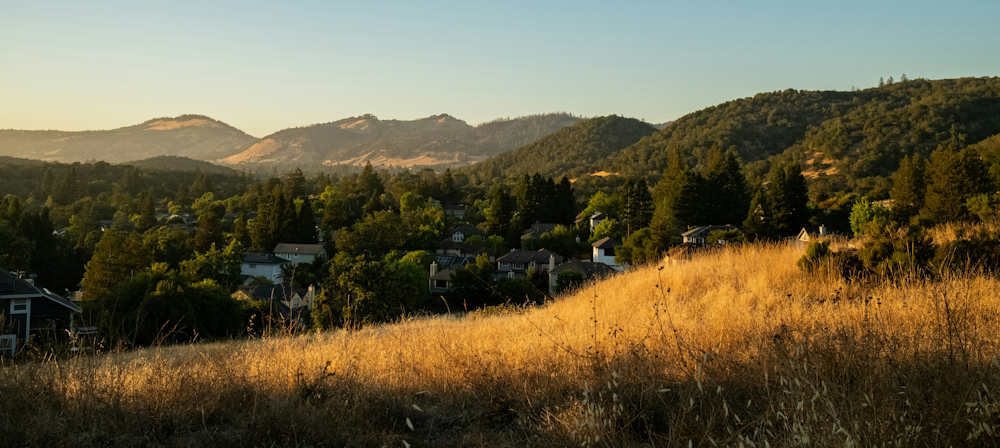
A city nestled among luxuriant greenery, soaring mountains, glittering lakes, and forests of towering redwoods, Santa Rosa is a nature lover's paradise. New arrivals moving to Santa Rosa are sure to find plenty to love in and around the city.

Santa Rosa is situated off the California's West Coast, and is just 55 miles (90km) north of San Francisco. Year-round good weather means there are plenty of opportunities for fun in the sun.

Working in Santa Rosa

Santa Rosa Skyline by JLankford

Santa Rosa has a number of strong industries providing work to its residents, including healthcare, retail, public administration, and technology. Most people moving here will have a job sorted out ahead of relocation, but if you're on the hunt for a new position, it's often about who you know. 

Meeting and mingling with your fellow professionals, be it via an online platform such as LinkedIn or in person at networking events, is key to getting ahead of the pack when it comes to finding and applying for jobs here.

Working and Finding A Job in Santa Rosa

Lifestyle in Santa Rosa
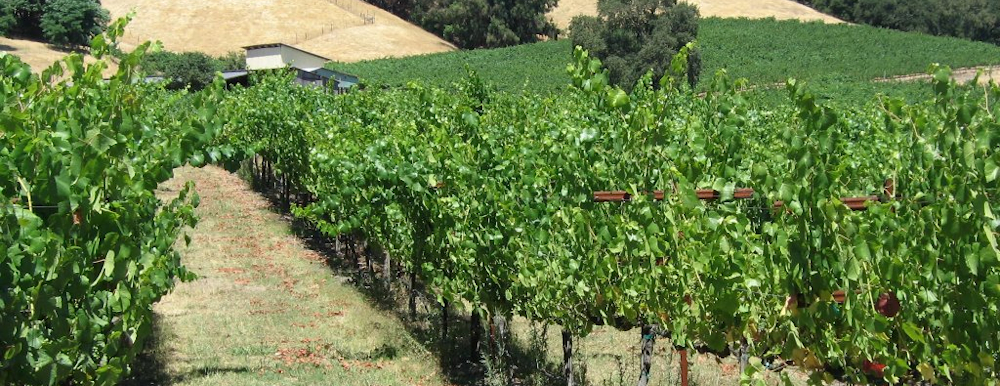
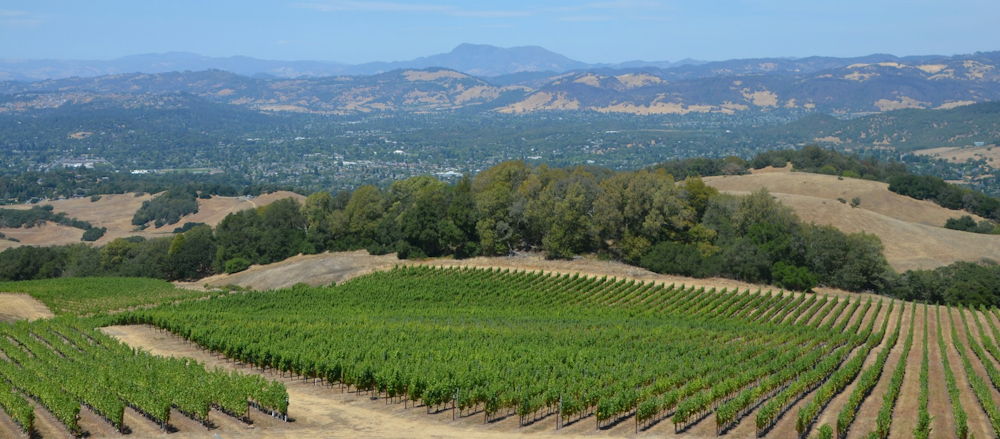
Santa Rosa Vineyard by RadioKirk

Santa Rosa is set in a prime location in the heart of wine country, and its residents enjoy a lush lifestyle. Farm-to-table dining and wine tasting are common pursuits here, while those who prefer beer will also be well catered to by Santa Rosa's strong brewery culture.

The combination of natural beauty and sunny weather makes Santa Rosa a perfect spot for outdoorsy types. Hiking, camping, water sports, and cycling opportunities are easy to find and enjoy. As a bonus, these are also great ways to make new friends. 

Shopping, Restaurants, and Outdoor Activities in Santa Rosa

Finding accommodation in Santa Rosa

Santa Rosa's accommodation options are varied, and there's a range of areas and suburbs to choose from, but the market can be competitive. Prices are high, though not as high as in other major cities nearby, such as San Francisco.

Working directly with a real estate agent is an ideal way to reduce the legwork that comes with finding accommodation. A local agency's knowledge of the area is extremely helpful for newcomers who aren't familiar with the city. Landlords will usually bear the cost of agency fees, so house hunters don't need to worry about the extra cost of this service.

Renting Accommodation in Santa Rosa
Best Neighbourhoods in Santa Rosa

Cost of living in Santa Rosa

The cost of living in Santa Rosa is undeniably high. But residents find it's well worth it to be surrounded by such a range of landscapes, not to mention being an hour's drive from San Francisco. And although costs are high here, Santa Rosa's employers compensate for this by paying well, ensuring that their employees can meet the cost of living.

Cost of Living in Santa Rosa

Living with children in Santa Rosa
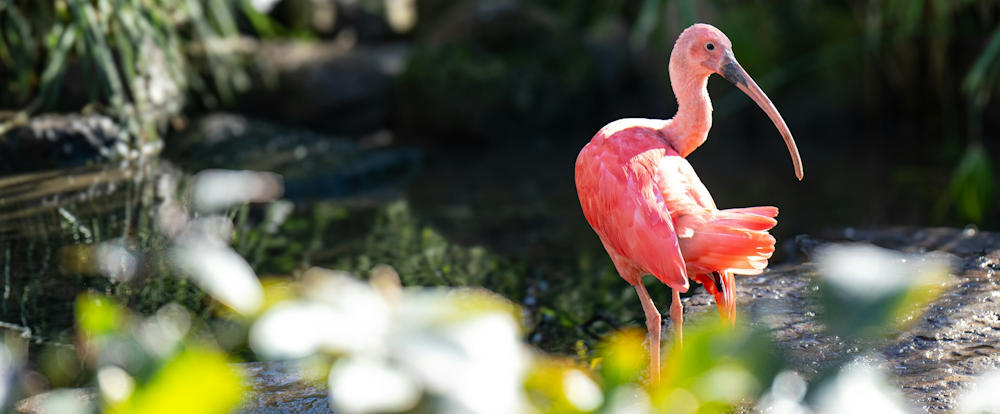
Flamingo in Safari West, Santa Rosa, by Vivek Sumanth Chintakula via Unsplash

Child-friendly Santa Rosa is a fantastic place to raise a family. From spotting exotic creatures in Safari West to visiting the many tributes to Charles M. Schultz, creator of the Peanuts comic strip, there's plenty to keep the kids entertained.

Keeping the family in good health is easy here, thanks to virtually endless outdoor attractions. The city also has excellent healthcare options, though it's vital to hold a good medical insurance policy that also covers your dependants. In most cases, employers provide employees with health insurance coverage as part of their benefits package.

Healthcare and Hospitals in Santa Rosa

Finding a school in Santa Rosa
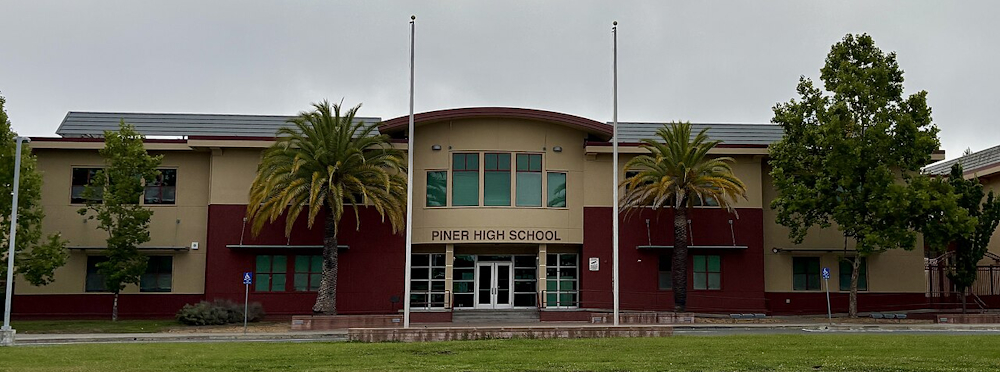
Santa Rosa's schooling situation is complex, with a number of different school districts operating in the city – some with as few as one school, others managing close to 20. Admission to public schools is determined by catchment area, so your address affects which school and district you'll be assigned to.

Alternatively, Santa Rosa has several good magnet and charter school options. Like public schools, these are free to attend, but admission is determined by lottery rather than by residential address. Private schools are also readily available.

Education and Schools in Santa Rosa

Getting around in Santa Rosa

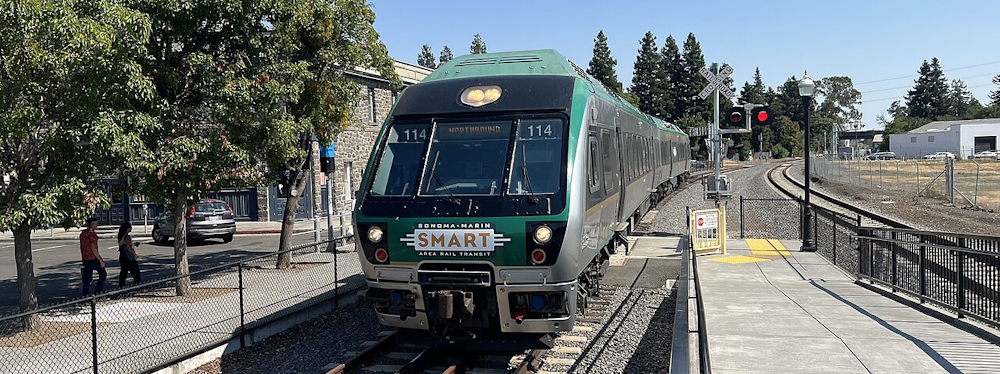
Santa Rosa train by Sergey Yarmolyuk via Wikimedia Commons

There's not a huge variety of options for getting around in Santa Rosa. For the most part, residents will need a car to get where they're going. There are some public transport options available, including buses and trains, but the routes generally aren't robust enough to be a meaningful alternative for commuting. Still, it's possible to reach San Francisco and other attractions by train, so they're useful for a day out.

Public Transport and Driving in Santa Rosa

Climate in Santa Rosa

Sunny days aplenty await new arrivals in Santa Rosa, with over 255 sunshine days a year. The temperature takes a slight dip in winter, and some rain can be expected, but this is a brief blip in the city's otherwise wonderful weather.

Weather in Santa Rosa

Overall, newcomers can expect to enjoy themselves in Santa Rosa. With so many exciting activities, both indoor and outdoor, there's plenty to delight the whole family, young and old.

Weather in Santa Rosa

The weather in Santa Rosa is one of the city's great drawcards. Sunshine lovers will be in seventh heaven with an average of more than 255 sunny days a year. The winter months are cool, though not especially chilly, and they do bring a fair amount of rain.

Summer, from June to August, sees average highs of 83°F (28°C). During winter, from December to February, the average high drops to 60°F (16°C). 

As in nearby San Francisco, morning fog is fairly frequent in warm months, though it usually clears as the day goes on. Sometimes it rolls in again in the evening, so it's always a good idea to keep an extra layer or two to hand.

It's worth mentioning that Santa Rosa's location within California puts it at risk of wildfires. The city has been both threatened and directly impacted by several major wildfires in the past. It's vital to keep up to date on local conditions and heed all warnings and instructions from authorities.

Working in Santa Rosa

New arrivals working in Santa Rosa can look forward to a culture that values work-life balance and a stable economy that supports career growth. Salaries here are generous and well above the national average, allowing residents to keep up with the high cost of living in Santa Rosa. Apart from a competitive salary, you can also expect to be provided with a good range of benefits. 


Job market in Santa Rosa

Santa Rosa has a diverse economy and is the main business centre of Sonoma County. Major industries include healthcare, retail trade, public administration, and science and technology. Healthcare, in particular, sees sustained growth, and there's a need for qualified healthcare professionals.

A fair portion of the city's residents live in Santa Rosa but work elsewhere in the region, so it's worth considering options further afield.


Finding a job in Santa Rosa

Woman with open laptop looking for a job in Santa Rosa

There are several avenues worth exploring when searching for a job in Santa Rosa. You can browse local job portals online to get an idea of what kind of vacancies are available in which industries. It's also worth having a look at the websites of local companies to see if they have any openings listed. 

Networking is a key part of finding work. LinkedIn is a useful tool to see who's hiring, and making a connection here could be how you land your next job. 

Signing up with a recruitment agency is a great way to find leads you may not otherwise have known about. Many recruitment agencies specialise in particular industries, giving you a leg up in finding the right position.

Useful links


Work culture in Santa Rosa

Handshake over conference table with documents

Overall, the work culture in California and other West Coast states tends to be more laid back and less formal than you'd find on the East Coast. This can vary widely by industry, though.

Work-life balance is highly valued in Santa Rosa. If flexible work arrangements are something that appeals to you, you may be able to find them here, as around 10 percent of the city's employees work remotely.

The workplace tends to be diverse and multicultural in Santa Rosa, with around 20 percent of the city's residents hailing from outside of the US.

Business Culture in the USA

Cost of Living in Santa Rosa

The cost of living in Santa Rosa is high by American standards, and housing is the main reason. Santa Rosa is the largest city in Sonoma County and the commercial heart of California’s North Bay wine country. San Francisco is roughly 55 miles (90km) to the south.

By most measures, the city is 30 to 45 percent more expensive than the national average, and the gap is almost entirely housing. Everything else, from the weekly shop to the monthly utility bills, is a little higher as well, although not by as much.

The upside is that it works out a good deal cheaper to live here than in San Francisco or San Jose, which is why so many Bay Area workers put down roots in the North Bay. Most newcomers arrive for work in wine, healthcare, or agriculture, and whatever the field, the biggest line in the monthly budget will be rent or a mortgage.


Cost of accommodation in Santa Rosa

Househunters quickly discover that accommodation in Santa Rosa is the biggest item in the budget, and it’s the main reason the city is among the priciest in the United States. Competition from Bay Area commuters, who can absorb North Bay prices on a San Francisco salary, also contributes to high housing costs.

Roseland and the streets around Burbank Gardens are among the cheaper places to rent, as is the northwest of the city, including Coffey Park. Coffey Park is worth a look for newer housing, since many homes were rebuilt after the 2017 Tubbs Fire. Expect to pay a good deal more in smarter addresses like Fountaingrove or Rincon Valley. Newcomers who balk at the in-town figures often widen the search to Rohnert Park or Windsor, both a short drive away, where rents tend to be a little lower.

California’s utility bills are steep. Electricity is the sharpest shock for most new arrivals, especially in a hot summer of constant air conditioning. Due to the state’s recurring droughts, water charges are higher than they once were.

Accommodation in Santa Rosa
Areas and Suburbs in Santa Rosa


Cost of transport in Santa Rosa

For most residents, the cost of transport in Santa Rosa is really the cost of running a car. Like most of Sonoma County, this is car country, and it is far simpler to reach the coast or the outlying wine-country towns behind the wheel. Owning one is not cheap either, once you factor in California fuel prices, insurance, and parking. Highway 101 is the main artery through town, the road north into wine country and south towards Marin and San Francisco.

Public transport is workable for some journeys, even if there are relatively few residents who rely on it alone. Riders who pay with a Clipper card get a discount when they transfer between bus and train. Santa Rosa CityBus operates the local network from the downtown Transit Mall, and it has modest fares. Sonoma County Transit runs out to Sebastopol, Petaluma, and the towns beyond. SMART, the local commuter rail service, connects the city south towards Marin from two stations in town.

Downtown and the Railroad Square area are walkable and well served by buses, so life without a car is at least possible for anyone who lives in the centre.

Transport and Driving in Santa Rosa


Cost of groceries in Santa Rosa

Newcomers will feel the price of groceries in Santa Rosa within a shopping run or two, and the bill is a good 25 percent or more above the national average. But the city is at the heart of Sonoma County farm country, and residents who shop seasonally at the farmers’ markets and buy direct often eat fresher, even if the savings are small. You can trim the bill by being attentive to where you shop, since there’s a wide gap between the budget chains and the premium grocers.


Cost of entertainment and eating out in Santa Rosa

Diners here pay more than they would in most of the country, but the cost of entertainment and eating out in Santa Rosa is still lower than a comparable night in San Francisco. There’s everything from quick, cheap neighbourhood spots to the sort of wine-country dinner the region is famous for.

Much of the best entertainment here is cheap or free, thanks to the setting. Parks and regional trails are close at hand, and the Sonoma Coast is a short drive for a walk or an afternoon by the water. Wine tasting is the signature local outing, and it need not cost much; the smaller family wineries often pour for a token fee or nothing at all.

Lifestyle in Santa Rosa


Cost of education in Santa Rosa

Families weighing the cost of education in Santa Rosa will come across one quirk early on. The whole city is divided into nine districts – some as small as one school, with the largest covering more than a dozen schools. Children are allocated a spot at the public school assigned to their home address. Educational standards are not identical across them, so parents will want to figure out the catchment for an address before signing a lease or an offer.

Santa Rosa has no dedicated international school of the kind found in larger, more international cities, so families who are set on that route look to the Bay Area. Closer to home, private and independent schools are the alternative for anyone who wants smaller classes or a different curriculum for a premium.

Education and Schools in Santa Rosa


Cost of healthcare in Santa Rosa

By the standards of a mid-sized city, healthcare in Santa Rosa is a real draw, although patients will still pay California prices for it. There are three networks that cover the city: Providence, Sutter Health, and Kaiser Permanente.

Medical bills here tend to be above the national average, so most working newcomers rely on employer-sponsored cover, and new arrivals should price up a solid plan as soon as possible. In the end, what you pay will depend on your insurance and whether the care is in-network.

Healthcare and Health Insurance in Santa Rosa


Cost of living in Santa Rosa chart

Prices are listed in US dollars (USD) and may vary depending on the product and service provider. The list below shows average prices for Santa Rosa in August 2026.

Accommodation (monthly rent)
One-bedroom apartment in the city centreUSD 2,350
One-bedroom apartment outside the city centreUSD 1,925
Three-bedroom apartment in the city centreUSD 3,650
Three-bedroom apartment outside the city centreUSD 3,100
Shopping
Eggs (dozen)USD 5.50
Milk (1 litre)USD 1.45
Rice (1kg)USD 4.70
Loaf of white breadUSD 3.75
Chicken breasts (1kg)USD 14.40
Cheese (500g)USD 10.50
Eating out
Three-course meal for two at a mid-range restaurantUSD 80
Big Mac MealUSD 12.10
Coca-Cola (330ml)USD 3.00
CappuccinoUSD 6.85
Local draft beer (500ml)USD 7.50
Utilities
Mobile phone monthly plan with calls and dataUSD 55
Internet (unlimited data, average per month)USD 70
Basic utilities (average per month for a standard household)USD 245
Transport
Taxi rate (per kilometre)USD 1.90
Bus/train fare in the city centreUSD 1.50
Gasoline/petrol (per litre)USD 1.40

Accommodation in Santa Rosa

The options for accommodation in Santa Rosa are as varied as the city itself. There are walkable historic streets around downtown, the established suburbs of the east side, hillside pockets on larger lots, and whole neighbourhoods that were rebuilt after the 2017 wildfires. Newcomers from across the Bay Area move here for more room and a gentler pace than they would get in San Francisco, about 55 miles (90km) to the south.


Areas and suburbs in Santa Rosa

Highway 101 is the main north-to-south road, and Highway 12 is the main east-to-west one. Between them, the areas and suburbs in Santa Rosa are grouped into four rough quadrants. West of the freeway is the walkable, older core of the city, and it’s where Downtown is situated.

Santa Rosa is more suburban to the east. Bennett Valley, southeast of downtown between Taylor Mountain and Trione-Annadel State Park, is a long-established favourite for its parks and trail access, and Rincon Valley to the northeast has the same quick reach to the outdoors. Fountaingrove, in the northeastern hills, is the city’s prestige address.

The hillside and edge-of-city neighbourhoods, Fountaingrove and Mark West among them, have the highest fire hazard ratings, and home insurance there is harder to arrange and considerably dearer than on the valley floor. Some owners in the highest-risk zones can only get cover through the California FAIR Plan, the state’s insurer of last resort. Check the CAL FIRE hazard-severity maps for any address you are serious about, and line up an insurance quote early.

Best Places to Live in Santa Rosa


Types of accommodation in Santa Rosa

The most common type of accommodation in Santa Rosa by a wide margin is the detached single-family house with its own yard – close to three in five homes here are of that kind.

Beyond the standalone house, townhouses and flats are the next most common form, and condominiums are close behind. About a quarter of all homes are in multi-unit buildings, and that is where most renters concentrate their search. The east side is almost all detached houses, while the south and southwest have the widest choice, including flats, townhomes and older single-family houses.


Finding accommodation in Santa Rosa

finding a home in Santa Rosa online

For most house-hunters, finding accommodation in Santa Rosa begins online. The big national listing sites have most of what is available to rent.

Word of mouth still counts for a lot in Santa Rosa. Owners and residents often post rentals in community and neighbourhood groups on social media before those places reach the big portals, especially rooms and in-law units that are let directly by owners.

If you would rather someone else did the legwork, a letting agent or property manager can line up viewings for you. In California, the landlord almost always pays the agent’s fee, so using one rarely costs a renter anything extra. Some new arrivals will be lucky enough to have a relocation company working on their behalf, which can draw up a shortlist of properties to view based on needs and wants.

Useful links


Renting accommodation in Santa Rosa

signing a rental lease

Making an application

Expect to fill in a written application and to agree to a credit and background check. A landlord may charge a screening fee to cover the cost of running those checks, but only up to a cap that the state sets each year. They must refund any part of the fee they do not spend. If a landlord runs a credit report, you are owed a copy within seven days.

Landlords are required to review completed applications in the order they arrive and offer the home to the first applicant who meets their written criteria. They cannot base a decision on race, religion, sex, national origin, disability, or family status.

Leases

Most leases here are for a fixed term of a year, although month-to-month agreements are common too. A fixed-term lease ends on its final date, and neither party has to give notice unless the lease requires it. If you stay on afterwards with the landlord’s agreement but do not sign a new lease, the tenancy becomes month-to-month on the same terms.

Note that once you've lived somewhere for 12 months or more, the landlord needs a legally recognised reason (just cause) to end the tenancy at all.

Deposits

The security deposit on most rentals is legally capped at one month’s rent, furnished or not, and any pet deposit counts towards that limit. 'Small' landlords (broadly, an individual or family who owns no more than two rental properties totalling four units or fewer) may ask for up to two months.

After you move out, the landlord has 21 days to return the deposit or to send you an itemised list of deductions. The landlord cannot bill you for cleaning or carpet cleaning unless the unit was professionally cleaned before you moved in. A landlord who wants to make deductions has to photograph the property’s condition both before you move in and after you leave.

Terminating the lease

To end a month-to-month tenancy, either party must give written notice. As a tenant, you give 30 days’ notice, regardless of how long you have lived there. A landlord gives 30 days if you have been in the home under a year, or 60 days once you pass the one-year mark.

A landlord must always give you at least 24 hours’ written notice before entering the home, except in a genuine emergency.

Renting Accommodation in the USA

Useful links


Utilities in Santa Rosa

Utilities in Santa Rosa

Setting up utilities in Santa Rosa is quite straightforward. You’ll deal with a different provider for electricity, gas, water, and refuse collection, but signing up for each takes little more than a phone call or an online form.

Electricity and gas

Pacific Gas and Electric (PG&E) handles gas as well as the delivery and billing of your electricity, so a PG&E account is the starting point for both.

In Sonoma County, the default electricity supplier is Sonoma Clean Power (SCP), a local public agency, and you are automatically signed up with them when you open a PG&E account. You can opt out and have your generation from PG&E instead if you would prefer. SCP’s standard CleanStart service is mostly renewable, and its premium EverGreen option is 100 percent renewable, locally generated power for a little more. Either way, you still get the power through PG&E and pay your bill to them.

Water

City department Santa Rosa Water supplies both water and sewer service, and you set up an account with them directly. You need to give at least one business day’s notice to start or stop service. About 95 percent of the supply is Russian River water. The rest is from the city’s own groundwater wells and a little recycled water. The river water is drawn from collector wells around 100 feet (30m) below the riverbed, where layers of sand and gravel act as a natural filter, and it is well regarded for its quality.

Bins and recycling

Recology Sonoma Marin handles all kerbside collection of rubbish, recycling, and compost. Collection is weekly, and there are three colour-coded carts: grey for rubbish, blue for recycling, and green for organic and garden waste.

You can pick from four sizes of grey cart, and the smaller the one you choose, the lower your bill will be. The blue and green carts are free, and both are the largest size as standard. Carts should go out the night before and come back in within a day of the pickup.

Useful links

Areas and suburbs in Santa Rosa

The best places to live in Santa Rosa

If you are weighing up the best places to live in Santa Rosa, start with the map. Locals talk about the city in four quadrants. Highway 101 is the north-to-south dividing line, and Highway 12 is the west-to-east one. The northeastern hills and valleys are the quieter, pricier family suburbs. Head southwest or to the older west side, and you get the most house for your money. The historic centre, in between, has the walkable streets and period homes.

Santa Rosa is the largest city in Sonoma County and its county seat, about 55 miles (89km) north of San Francisco, so some residents commute south on Highway 101 or catch the SMART train from the downtown station.

Before you settle on an address, weigh up how you will get to work, which schools your children would attend, and what your budget will stretch to. Most specifically to Santa Rosa, you may want to consider how much wildfire risk you can live with in the eastern hills.


Family-friendly areas in Santa Rosa

Houses in Wooded Area in Santa Rosa by Megan O'Hanlon on Unsplash

Bennett Valley

Bennett Valley is the last neighbourhood in southeastern Santa Rosa before the vineyards start. Just a few minutes past the houses, you’ll reach open pastures and horse paddocks. Families move here for the openness and for schools among Sonoma County’s best.

Galvin Community Park, the public Bennett Valley Golf Course, Spring Lake, and the Trione-Annadel trailheads are all within a short drive. Montgomery Village, one of the county’s older shopping centres, is on the valley’s edge, and residents can walk there for shops and restaurants. The catch is that Bennett Valley is car-dependent, so you will want a vehicle for the school run and everyday errands. 

Rincon Valley

Rincon Valley, in the northeast, is a favourite for families because of Maria Carrillo High and a run of well-regarded elementary schools. Weekends here are outdoorsy. The Trione-Annadel trails and the lakes at Spring Lake and Howarth Park are close enough to reach before breakfast. 

The upmarket Skyhawk enclave is at the valley’s eastern edge, about five miles (8km) from downtown, where the homes are newer, and the schools are among the best in the city. Most of the housing is single-family homes, and they are in high demand among families.

Fountaingrove

Fountaingrove is one of Santa Rosa’s most prestigious addresses, a hillside community north of Santa Rosa and east of Highway 101. The Tubbs Fire of October 2017 destroyed much of the neighbourhood, and most of it has since been rebuilt to tougher fire codes. Residents still have the golf course, the ridgeline trails, the open-space parks, and the city’s main hospitals just a few minutes down the hill.

Insurance is the thing to check before you buy up here. These are the wildland-urban interface hills, and home cover has become costly and, for some carriers, hard to get at all.

Education and Schools in Santa Rosa


Central and historic areas in Santa Rosa

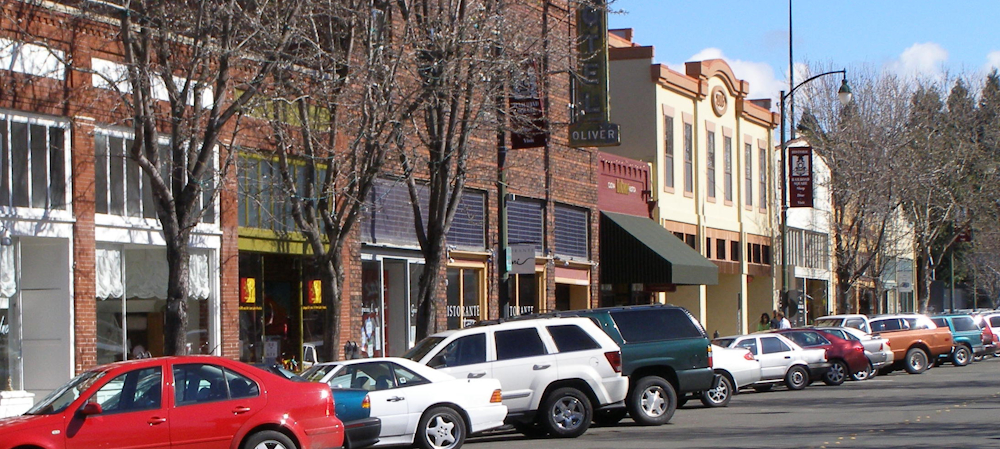
Restaurants and Shopfronts on 4th Street in Railroad Square District, Santa Rosa by Anlace on Wikimedia Commons

Railroad Square

Railroad Square is the historic heart of central Santa Rosa, a cluster of early-1900s brick-and-stone buildings just west of Highway 101. There is housing in and around the square, from old workers’ cottages to newer flats, and the restaurants, cafés, bars, and weekend farmers’ market are all within walking distance.

The big draw for newcomers is the SMART commuter train, which has its downtown station here. From this station, you can travel south through Marin to the Larkspur ferry terminal, then cross to San Francisco by boat. That’s the biggest factor for hybrid workers who split the week between Sonoma County and the Bay Area.

McDonald Historic District

The McDonald Historic District, a short walk northeast of downtown, has the city’s grandest old homes. Colonel Mark McDonald laid out the neighbourhood in the late 1800s, and the McDonald Mansion is still its centrepiece.

The streets here are wide and lined with trees, and the houses are grand Craftsman and Victorian places on large lots. It is one of the loveliest parts of Santa Rosa to live in on foot. Proctor Terrace, the smaller district next door, has much the same feel for a little less money. From both, you can walk into the centre of town, which suits buyers who want period character without leaving downtown.

Getting Around in Santa Rosa
Lifestyle in Santa Rosa


Budget-friendly areas in Santa Rosa

Roseland

Roseland, in the southwest, is where you get the most house for your money, and it has changed a great deal since it was annexed by Santa Rosa in 2017. This has long been a heart of the county’s Latino community, and after decades of thin public investment, the city has started investing heavily.

Hundreds of new homes are being built on Sebastopol Road. People now come from across Santa Rosa for the food along that road, especially the taquerias and the food-truck stalls. For younger buyers and for families priced out of the north and east, Roseland has become the obvious place to look.

Junior College neighbourhood

The Junior College neighbourhood, named for Santa Rosa Junior College, is the grid of older, mostly modest homes around the campus just north of downtown. Rents here are relatively low, partly because so many students and college staff live in the area. Humboldt Street is a designated bike route, so riding into the centre is easy.

This is a sensible first landing pad if you are new to the city. The area is central and walkable, and it's cheaper than the historic districts a few blocks east.

West End

The West End, just west of downtown, is a district on the way up. The old cottages and bungalows are being done up, and it has DeTurk Round Barn Park as a green space. A farmers’ market is held there in the warmer months.

Prices are still below the historic districts next door, although that is changing as more buyers catch on. If you want somewhere walkable and central without the McDonald district price tag, this is the compromise a lot of newcomers settle on.

Renting Accommodation in Santa Rosa
Cost of Living in Santa Rosa

Healthcare in Santa Rosa

Healthcare in Santa Rosa is top notch, thanks to its status as a regional healthcare hub. As a resident of Santa Rosa, you can rest assured that you'll have access to high-quality medical treatment at any of the city's major hospitals. 

The three main hospitals here are Providence Santa Rosa Memorial Hospital, Sutter Santa Rosa Regional Hospital, and Kaiser Permanente Santa Rosa Medical Center.

It's worth noting that while treatment standards are high, so are the costs. Most people living in Santa Rosa have health insurance, and it's commonplace for employers to cover this expense. If you're moving to Santa Rosa for work, it's always best to confirm your package includes health insurance.

See our list of the best hospitals in Santa Rosa below.


Hospitals in Santa Rosa

Healthcare professionals in Santa Rosa

Kaiser Permanente Santa Rosa Medical Center

Website: www.healthy.kaiserpermanente.org
Address: 401 Bicentennial Way, Santa Rosa, CA 95403

Providence Santa Rosa Memorial Hospital

Website: www.providence.org
Address: 1165 Montgomery Dr, Santa Rosa, CA 95405

Sutter Santa Rosa Regional Hospital

Website: www.sutterhealth.org
Address: 30 Mark West Springs Rd, Santa Rosa, CA 95403

Education and schools in Santa Rosa

Education and schools in Santa Rosa can vary widely in quality. The quality of public schools can be a bit patchy, though there are a few genuinely good schools among the many options, including magnet and charter schools. 

There's also a good selection of private schools in Santa Rosa. Public schools are free to attend, while private schools tend to charge high fees. 


Public schools in Santa Rosa

Globe and US flag in classroom

The Sonoma County Office of Education (SCOE) oversees education throughout the county, including in Santa Rosa. The number of school districts in the county is unusually large, numbering just under 40. Each district is headed up by a superintendent. 

The size of Sonoma's school districts varies widely, and many consist of just a handful of schools. The largest, Santa Rosa City Schools (SRCS), comprises nearly 20 schools. SRCS has faced a number of challenges in recent years, including low enrolment, budget cuts, and mismanagement. As a result, the public is generally critical of SRCS, and challenges persist.

Public schooling in Santa Rosa operates according to catchment areas. Where you live will determine which school district your family falls under and which school your child gets automatic entry to. If you wish for your child to attend a different school outside of your district, or a school that falls under another district, you can apply to do so. Placement requests within your district are usually granted as long as there's space available at the requested school. There are mixed reports about the ease and success of changing districts. Some say requests are granted immediately, while others say SRCS, in particular, is hesitant to grant requests due to many of its problems stemming from underenrolment.

For the most part, Santa Rosa's best-performing public schools are located in the most affluent areas and suburbs. Still, these vary in quality, and the best way to ensure the school's quality is to see its facilities and staff in person. Apart from public schools, there are also several good magnet and charter schools in the city.

Magnet schools

Magnet schools are government-funded schools that offer a specialised focus on one or more subjects, making them a fantastic option for children who show promise in a specific area of their education. There is a wide range of options, from schools with a strong emphasis on maths and science to those specialising in performance arts. Placement is usually via lottery, and zoning doesn't apply, meaning you don't have to live in any particular area for your child to attend.

Charter schools

Charter schools operate on a performance-based contract with the government. In most cases, this means that they can generally be counted on to offer a good standard of education, though it's important to do thorough research on individual schools. 

One perk of choosing a charter school is that they have greater freedom in determining their teaching styles and curricula than regular public schools. Some charter schools provide specialised curricula or subscribe to alternative teaching philosophies. Similar to magnet schools, attendance is determined by a lottery, and children from any neighbourhood can attend if there's space.

Useful links


Private schools in Santa Rosa

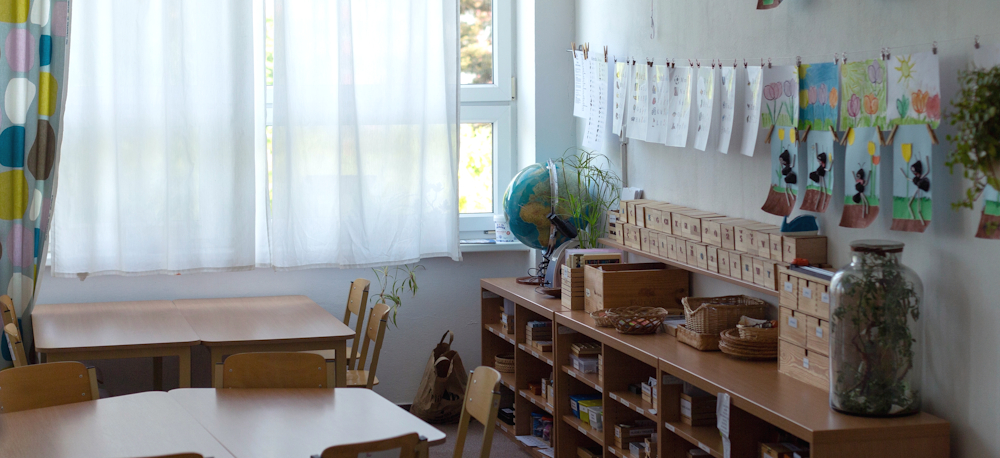
Montessori Classroom by Alena Lom via Shutterstock

Parents have access to a variety of private schools in Santa Rosa. While most are co-educational, some are single-sex schools, and many offer unique educational styles. The city's private schools often offer education through a religious lens, most commonly Christian. Others make use of alternative educational approaches, such as Montessori.

Each school sets its own admissions policy. Application fees, tests, and personal interviews may be required. Though children from any neighbourhood can attend a private school, waiting lists are often long, and competition for places at the best schools can be intense. 

The academic freedom and facilities these institutions provide come at a price, so private schools are more expensive than their public and charter counterparts. Some schools may offer scholarships based on academic achievements or financial need, so it's worth enquiring if this is a concern.


International schools in Santa Rosa

There are very few, if any, private schools in Santa Rosa specifically aimed at the expat community, though parents may be able to find schools teaching a foreign curriculum elsewhere in California. 

That said, there are a handful of public schools in Santa Rosa and surrounds with offerings that may interest expat parents. This includes schools teaching dual-language immersion programmes (available for French or Spanish) or the globally recognised International Baccalaureate (IB) curriculum.

Useful links


Special educational needs in Santa Rosa

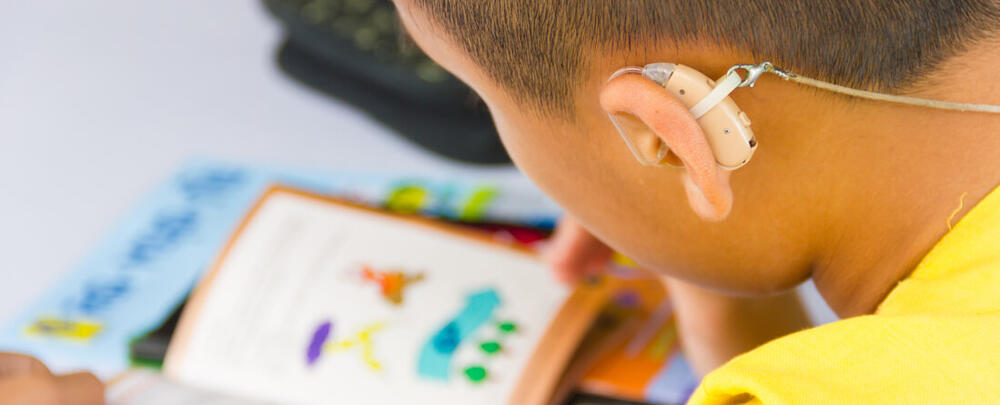
School child with hearing aid

SCOE caters to students with physical, developmental, emotional, and cognitive disabilities between the ages of three and 22. They aim to provide all students with a high-quality education in the least restrictive environment possible. To this end, the county prefers to keep students with special educational needs in mainstream schooling, with additional support being provided. In cases where a student's needs can't be met in a mainstream classroom setting, students may be placed in dedicated special-needs classes or schools.

Private schools in Santa Rosa vary in their ability to cater to students with special educational needs. It's best to enquire directly with schools to find out what resources they have available.

Useful links


Homeschooling in Santa Rosa

Homeschooling is legal in California and is recognised by the government as a form of private schooling. If you're looking to homeschool your children, you'll need to complete and submit the Private School Affidavit (PSA) and submit all their curricular and instructional material for review.

Legally, children must receive some form of education between the ages of six and 18. The state doesn't offer specific guidance and advises parents to seek advice from non-governmental resources such as local homeschooling organisations.

Useful links


Tutors in Santa Rosa

Tutors in Santa Rosa

Tutors can be a great help, especially for students approaching final exams and college applications. There are many reputable companies and individuals offering a range of services for various subjects and grade levels.

Tutoring can be especially beneficial for students struggling to adjust to a new curriculum or language. Tutors can assist bilingual children in brushing up on new language skills while maintaining their mother-tongue language skills.

Often, the best way to find a tutor is through recommendations from your child's school or other parents. Other options include online tutoring platforms, as well as local tutoring companies.

Useful links

Lifestyle in Santa Rosa

The lifestyle in Santa Rosa is vibrant and varied, as this small but mighty city offers an ideal combination of amenities and entertainment with a distinctly cosy small-town feel. 

New arrivals will find plenty of ways to get a breath of fresh air, and with sunny days being the norm, outdoor pursuits of all kinds can be enjoyed for most of the year.


Shopping in Santa Rosa

Santa Rosa Plaza is the city's main shopping centre. It's relatively compact, but has a good range of stores to fill day-to-day needs. In the area surrounding the mall, you can also find a scattering of speciality stores and some restaurants.

Not far off is Railroad Square, the centre of Santa Rosa's historical district. Home to a variety of antique stores and art galleries, this area makes for an interesting afternoon of browsing.

Coddingtown Shopping Center is also worth a visit as one of Santa Rosa's staple shopping centres. The car park features a 72ft (22m) rotating sign that was declared a historical landmark by city authorities in the early 90s.


Entertainment and nightlife in Santa Rosa

Santa Rosa winelands by Donghun Shin

Apart from a few bars in the city centre, Santa Rosa itself is a relatively quiet city when it comes to nightlife. But those who enjoy their wine and beer, or a hearty night out at the pub, will still find themselves with plenty to do.

As the heart of Sonoma Wine Country, Santa Rosa has much for both casual and seasoned wine enthusiasts to explore. Enjoy a feast of the senses at any of the close to 200 wineries in the region. A wide range of experiences is available, including food-and-wine pairings featuring locally sourced fare.

The city also has a lively brewery culture, so beer lovers are catered to as well. Pick up the Santa Rosa Beer Passport to enjoy specials and unlock rewards as you visit participating locations.


Eating out in Santa Rosa

Foodies are in for a treat in Santa Rosa. The diverse backgrounds of the city's residents result in a broad range of cuisines from around the world. 

Highlights of the city's restaurant scene include several excellent Italian, Mexican, and Asian restaurants. Also not to be missed is Mitote Food Park, California's first Mexican food park. Numerous food trucks serving up regional cuisines from across Mexico can be found here.


Outdoor activities in Santa Rosa

Luther Burbank, one of Santa Rosa's most famous residents and a renowned botanist, horticulturist, and agricultural scientist, once wrote that the region was "the chosen spot of all the earth as far as nature is concerned." With such a wide range of natural wonders in one spot, it's easy to see why he was inspired to make this comment. 

There are over 700 acres of parkland in Santa Rosa itself, spread across 70 parks. Venturing beyond the city, you'll find just about every variety of landscape you could think of, including mountains, plateaus, wetlands, lakes, beaches, and redwood forests. Camping, hiking, cycling, and water sports are all within easy access – or just soak up the scenery and enjoy.


See and do in Santa Rosa

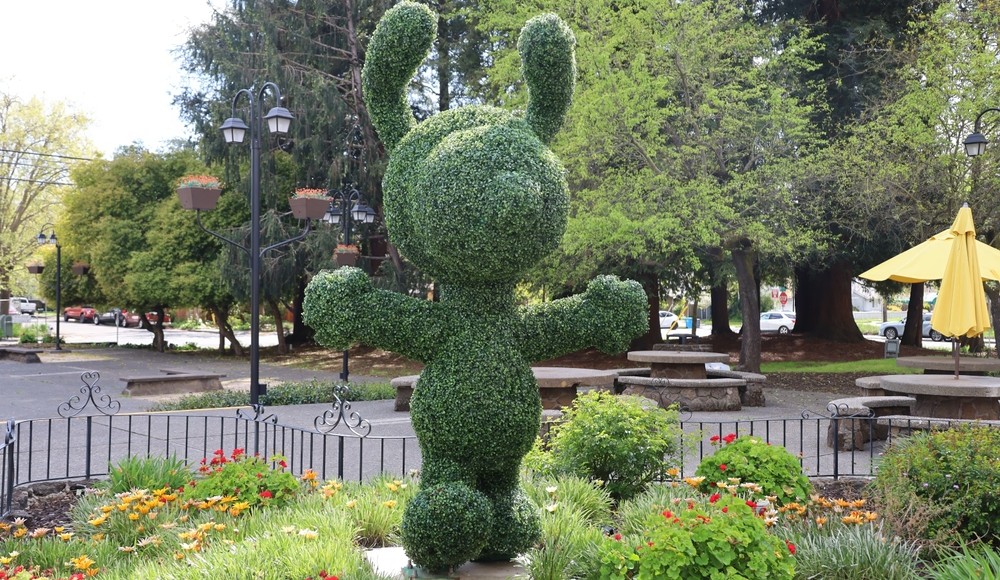
Snoopy outside the Charles M. Schultz Museum by Dream123 via Shutterstock

Charles M. Schultz Museum

Peanuts creator Charles M. Schultz spent the latter half of his life in Santa Rosa, and this museum dedicated to him holds the world's largest collection of Peanuts artwork. Permanent and temporary exhibits feature beloved characters like Snoopy and Charlie Brown. A highlight is the museum's accurate recreation of Schultz's own studio, where he would create his comic strips.

Snoopy's Home Ice

Head across the road from the Schultz Museum to Snoopy's Home Ice, an ice rink designed by Schultz and his first wife. The Warm Puppy Café on site has a fantastic view of the ice, and Schultz himself was a regular here before he passed in 2000. His favourite table remains reserved in his honour, and you can order his favourite tuna sandwich off the menu, too.

Howarth Park

Howarth Park is nicknamed "the Jewel of Santa Rosa", and it truly is a gem for families keen for a day out. Step back in time as you ride the park's steam train, or visit the Animal Barn to make a few new furry friends. Three dedicated play areas provide plenty of room for the little ones to run around, while the park's tennis courts and softball field are great for sports fans. There are plenty of scenic picnic spots that can be reserved in advance.


Meeting people and making friends in Santa Rosa

Friends by Priscilla du Preez via Unsplash

Moving to a new city can be daunting, but one way to feel at home fast is to make friends with the locals. The best way to meet people is often to join in on an activity aligned with your interests and passions. 

Options are virtually endless – try a local sports club, volunteer organisation, or hobby group. There are also plenty of apps and websites, like Meetup, that are designed specifically to arrange social events for meeting new people. Professional networking organisations are another good option.

Stepping out of your comfort zone may be tough at first, but a little courage goes a long way. Here are a few places to start.

Useful links

Getting Around in Santa Rosa

Getting around Santa Rosa usually means driving. As the largest city in Sonoma County and a hub of California’s Wine Country, Santa Rosa is a spread-out, low-density place, and a car is still the fastest way to reach work or the vineyards beyond the city limits.

Public transport is better than it once was. Two agencies run the local and regional buses, and SMART, the North Bay’s commuter rail line, carries passengers south to Larkspur, where they transfer to a Golden Gate Ferry into San Francisco. Cyclists have more to work with than they used to, after a run of new bicycle lanes and the arrival of an e-bike share scheme at the train stations.


Public transport in Santa Rosa

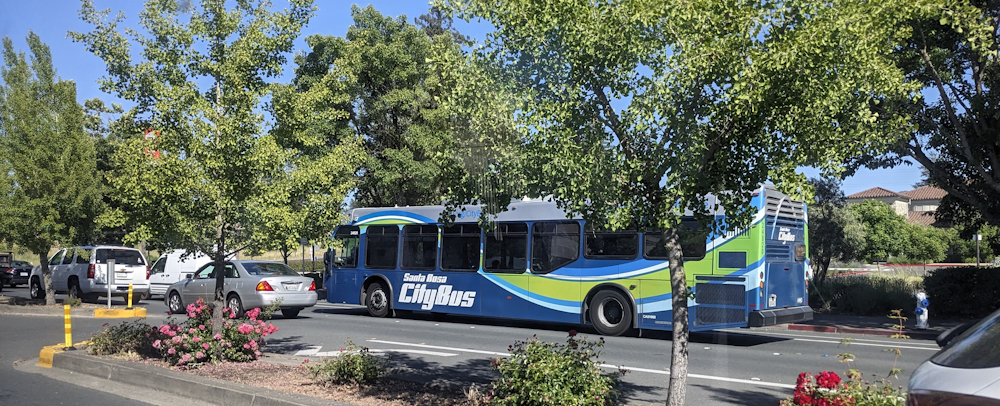
Santa Rosa CityBus Heading to the Transit Mall by Evan0512, CC BY-SA 4.0, via Wikimedia Commons

At the heart of public transport in Santa Rosa is the downtown Transit Mall, where riders change between the buses and the SMART train. There are two operators who run the buses. Santa Rosa CityBus handles trips inside the city, and Sonoma County Transit extends to the towns and open country beyond it.

Most riders pay with a Clipper card, the Bay Area’s tap-and-go fare card, good on every bus and on the train. Residents who live near downtown or one of the two SMART stations can probably get by day to day without a car.

Buses

Santa Rosa CityBus runs more than 15 fixed routes across the city, and riders can change between almost all of them at the downtown Transit Mall. On weekdays and Saturdays, buses run from early morning until mid-evening. Sunday hours are shorter. Every bus has a front rack with room for two bikes at no extra charge, so riders can travel part of the way and cycle the rest. Fares are quite low, and commuters under 18 ride free.

Sonoma County Transit covers the ground beyond the city limits. It runs to Sebastopol, Petaluma, Healdsburg, and the Russian River towns, and even reaches out to the Sonoma Coast. For trips south into Marin County and San Francisco, Golden Gate Transit also stops at the Transit Mall, and Mendocino Transit heads north up the coast.

SMART train

The SMART train is Santa Rosa’s one rail line, and it's a potential alternative to a slog down Highway 101. The train's 48-mile (77km) route runs down the middle of Sonoma County and into Marin, between Windsor, just north of the city, and Larkspur on San Francisco Bay. At Larkspur, riders can get straight onto a Golden Gate Ferry for the final leg into the city, so a car-free commute from Santa Rosa to San Francisco is possible, though it may not be the fastest option.

Santa Rosa has two stations on the line. The Downtown station at Railroad Square is a short walk from the city centre, and the Santa Rosa North station is on Guerneville Road. A third station is just over a mile (2km) north, next to Charles M. Schulz Sonoma County Airport. CityBus meets the trains at the downtown station throughout the day, so riders can switch from bus to rail without a long wait. SMART has been extending the line north in stages, and the operator aims to reach Healdsburg by 2030.

Useful links


Taxis in Santa Rosa

Lyft Driver in San Francisco by Paul Hanaoka on Unsplash

Uber and Lyft have largely taken over from taxis in Santa Rosa, and most residents open one of the two apps first. Drivers usually turn up within a few minutes for a trip across town or out to the airport. Coverage is reliable in the built-up parts of the city. Out in the rural stretches of the county late at night, the wait can be longer and the fare higher.

Traditional metered taxis are still around at the airport and the larger hotels, and a handful of local firms take phone bookings for anyone who would rather book a car ahead of time. Fares are the usual flag-drop-plus-mileage, and drivers take cards. Lots of residents will book a car and driver for a night out in the wine country, since tasting rooms and restaurants can be a fair drive apart, and mobile signal out in the vines can be spotty.

Useful links


Driving in Santa Rosa

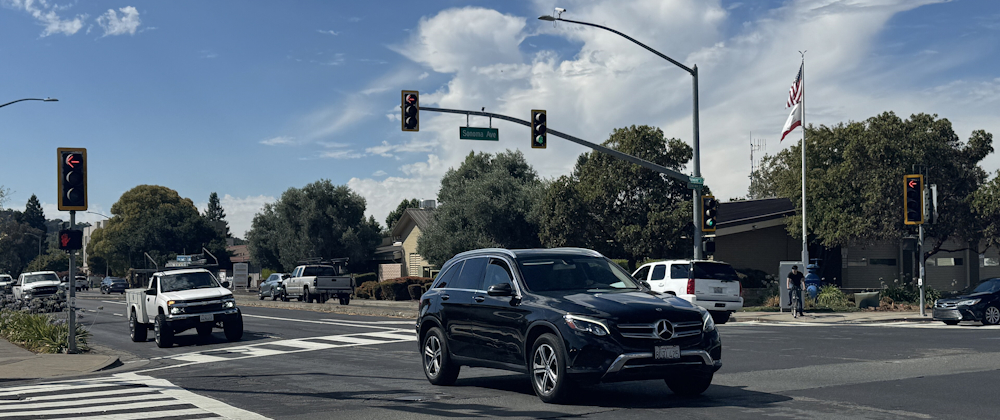
Farmers Lane and Sonoma Avenue Intersection in Santa Rosa by Sarah Stierch (Missvain), CC0, via Wikimedia Commons

Most residents get around by car, and driving in Santa Rosa is easy enough on the main roads. Highway 101 is the main artery, a north-south road through the middle of town. Marin and the Golden Gate Bridge are to the south, and Healdsburg and the upper county are to the north.

State Route 12 is the main east-west route between Sonoma Valley and Sebastopol. Traffic is light by Bay Area standards, but rush hour queues on the 101 are a fact of Santa Rosa life. Downtown parking is easy to find and cheap by California standards, and it’s free almost everywhere else in the city.

Driver’s licences

A California driver’s licence is one of the first things to sort out after your move to Santa Rosa. New residents have just 10 days to apply after they have established residency. Drivers who already hold a valid licence from another US state can skip the behind-the-wheel road test and take only a vision check and the California written exam. The DMV takes the old licence, issues a temporary paper one, and mails the plastic card a few weeks later.

International arrivals usually have to go through the full licensing process. That means the written exam and, in most cases, the road test as well. Licence holders from a few countries and territories can skip the road test. These include Taiwan, some German states, and certain Canadian provinces and Mexican states. Most other international arrivals should prepare for a road test.

Anyone bringing a car into the state has 20 days to register it once they’re a resident. The DMV will require a smog test for most vehicles, VIN verification, proof of California insurance, and the out-of-state title. A REAL ID licence is now required to board a domestic flight within the US, so frequent flyers should ask for the REAL ID version when applying.

Useful links


Cycling and walking in Santa Rosa

The city has added bicycle lanes and paths steadily in recent years, and cycling and walking in Santa Rosa is easier than it used to be. Riders now have separated cycle tracks on a few streets, dozens of miles of painted bike lanes, signed routes on quieter roads, and a growing set of car-free trails across town.

Redwood Bikeshare, the city’s e-bike share scheme, is on hand for anyone without a bike of their own. Most hubs are around downtown and the SMART stations, and the city has added more in the parks and outer neighbourhoods since the launch. Riders unlock a bike with a smartphone app and return it to any hub. 

On foot, downtown and the older neighbourhoods around it are flat and walkable, and the creek paths are pleasant for a stroll. Further out, though, walking is slow going. The blocks are long and the arterial roads wide, so it is better as a weekend adventure than a daily commute.

Useful links