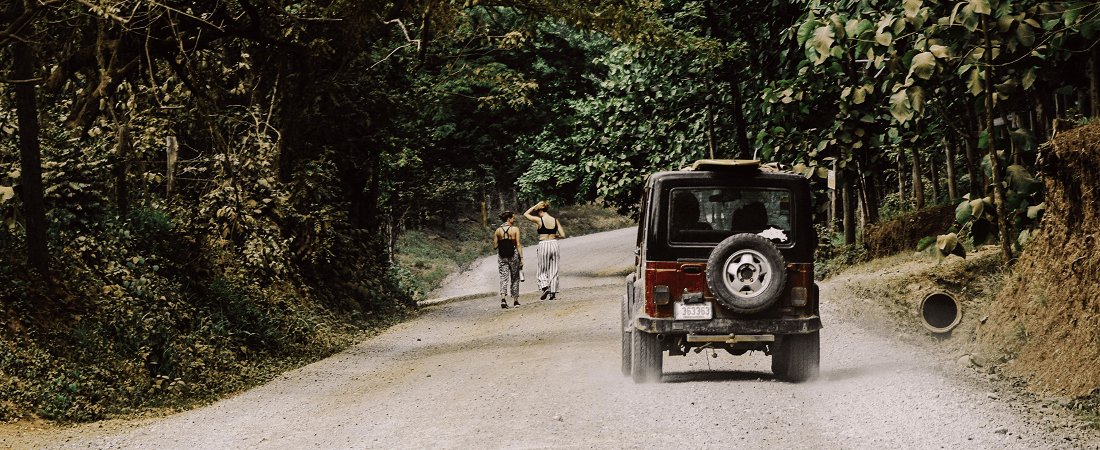
Small as it may be, Costa Rica packs a punch. This Caribbean country has much to offer, with a countryside chock-full of awe-inspiring features, including rainforests, beaches, canyons, and even volcanoes. Expats moving to Costa Rica often come here to enjoy an excellent quality of life in the country’s picturesque environment. In fact, not only do expats enjoy a good quality of life, but they may even hope to live a bit longer by relocating to Costa Rica, as the country has one of the highest life expectancies in the world.
Another key drawcard for expats moving to Costa Rica is the friendly locals. As the country is a well-known tourism hotspot, locals are accustomed to foreigners and are typically warm and welcoming to newcomers.
Living in Costa Rica as an expat
Expats in Costa Rica are sure to come across plenty of British, Canadian and American retirees drawn to this stable democracy’s affordable healthcare, low cost of living, magnificent climate, friendly locals and spectacular views. Roughly 10 percent of Costa Rica’s population is made up of foreigners.
The capital, San José, boasts the best nightlife, shopping, and restaurants in Costa Rica. Centrally situated with gorgeous architecture alongside modern galleries and cafés, San José offers expats an ideal base from which to explore the rest of the country, ranging from sleepy, picturesque villages to lively resort towns.
Those looking to work in Costa Rica may find it difficult to secure a work permit unless they have exceptional skills. Retirees with a healthy pension won’t need to worry about this, though, and can enjoy spending their golden years in the sunshine.
Expats will find plenty of accommodation options in Costa Rica that are suitable for different budgets. Most expats will live in apartments or standalone homes, while those who can afford to splurge may find themselves in luxury villas featuring sought-after amenities such as gardens and pools.
Cost of living in Costa Rica
While Costa Rica is renowned for its affordability, the country has seen an uptick in the cost of living, with the capital city, San José, becoming more expensive in recent years. This increase has been caused by a combination of factors, including inflation and the country’s reliance on imports.
Still, Costa Rica’s low cost of living remains one of its biggest drawcards, especially for retirees. Retired expats from the US and the UK find that their pensions from back home can stretch significantly further in Costa Rica.
Housing in Costa Rica can be significantly cheaper than the national average in the US, and healthcare is affordable as well as high quality. Markets sell local fresh fruit and vegetables at low prices, so eating healthy is not only easy but also inexpensive.
Families and children in Costa Rica
Although Costa Rica is largely thought of as a retirement destination, expat families can also find an exceptional quality of life here. Local schools teach in Spanish, but there are several international schools scattered around the country. The majority teach the US curriculum in English, although there are a few that offer other options, such as the International Baccalaureate.
Costa Rica’s healthcare is top quality, particularly in San José’s private hospitals, and as a result, it is a popular medical tourism destination. Residents are required to subscribe to the Costa Rican social security programme through monthly contributions, which gives them and their spouses access to free public healthcare. Many expats also take out a private insurance policy and use a mix of both public and private healthcare.
Thanks to Costa Rica’s outdoor beauty, parents will also find themselves spending more time outdoors with their children. Some of the most popular outdoor activities include surfing, swimming, hiking and kayaking. With access to a volcano and rainforest, children will never be without activities to do at the weekend.
Healthcare and Hospitals in Costa Rica
Climate in Costa Rica
Costa Rica has a favourable climate, allowing plenty of sun and surf. Most days are in the range of 77°F (25°C) to 90°F (30°C), which is ideal for taking advantage of the country’s bounteous natural beauty. Just remember the sunblock and stay hydrated.
Many expats who move to Costa Rica initially come for a short stay, but with friendly locals, good infrastructure and a stable political situation, it’s no surprise that they often decide to settle down here for good.
Fast facts
Population: 5.1 million
Capital city: San José
Neighbouring countries: Nicaragua to the north and Panama to the southeast.
Geography: Costa Rica lies on the Central American Isthmus, the narrow strip of land between the Pacific Ocean and the Caribbean Sea linking North and South America. The countryside comprises peaks and volcanoes, as well as lower plains and forests.
Political system: Unitary presidential constitutional republic
Major religion: Christian
Main language: Spanish
Money: The Costa Rican Colón (CRC) is divided into 100 centimos. ATMs and card facilities can be found in all major urban centres.
Tipping: Most places add a 10 percent service charge to their bill, but tipping extra for excellent service is appreciated.
Time: GMT-6
Electricity: 120V, 60Hz. Flat two-pin and three-pin plugs (two flat blades with a round grounding pin) are used.
Internet domain: .cr
International dialling code: +506
Emergency contact: 911 (general), 117 (police), 118 (fire), 128 (ambulance)
Transport and driving: Cars drive on the right-hand side of the road. Buses are the most commonly used form of public transport and the cheapest way to travel. Taxis are pricier but more flexible than bus travel.