Print
  • Hold down Ctrl key and select the sections you want to print. If using a Mac, hold down the Cmd key.
  • Use Ctrl + A or on Mac, Cmd + A to select all sections (if you are using the Chrome browser).
  • Click "Apply" and the site will customise your print guide in the preview below.
  • Click the "Print" button and a print pop up should appear to print to your printer of choice.

Moving to Tokyo

Living in Tokyo as an expat

The very definition of glitz and glamour, Tokyo is an ultramodern, densely populated megacity set against a picturesque backdrop of the magnificent Mount Fuji. Expats moving to Tokyo will have to keep up with the city’s frenetic energy, as a seemingly endless array of opportunities and activities abounds. One thing is for sure – life is never dull in this Japanese giant.

Working in Tokyo
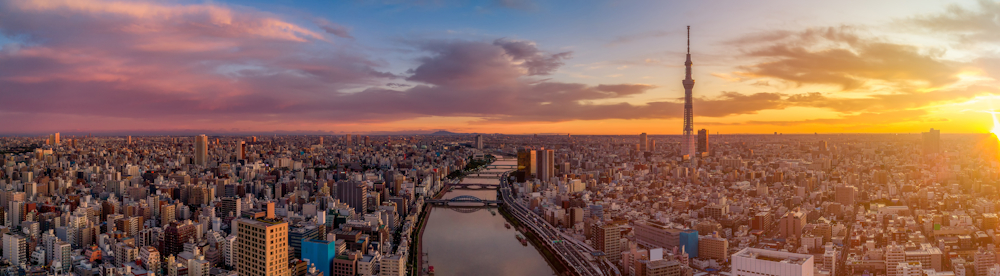
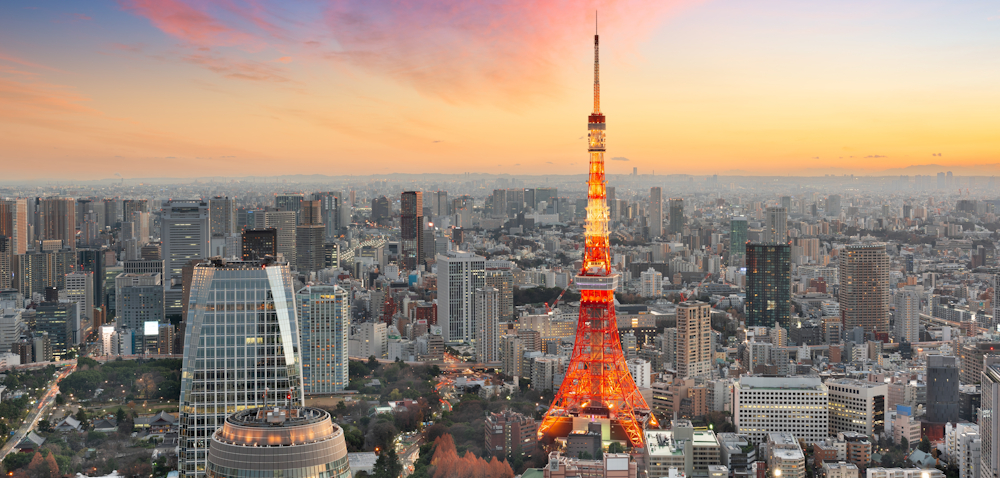
Tokyo skyline

For those with the right qualifications and work experience, Tokyo can be an ideal city for career advancement. The local job market is highly competitive, and expats with proficiency in both English and Japanese will be at a distinct advantage when it comes to finding a position.

Once you’ve netted your desired job, more challenges lie ahead – particularly when it comes to getting used to Japanese work culture. There isn’t as much recognition of individual achievements as there is in other parts of the world, like the UK and the US. Instead, the well-being of the group is prioritised. Hard work is nevertheless expected from everyone, and overtime comes standard. Still, salaries are generous to account for the high cost of living in Tokyo, and the experience gained here can be invaluable for future advancement.

Business Culture in Japan 
Working in Japan

Cost of living in Tokyo

The cost of living in Tokyo is undeniably high. Shopping is a primary Japanese pastime, and there’s no better place to indulge in this than Tokyo. While the constantly evolving consumer culture that permeates the city makes it an exciting place to live, the cost of this lifestyle is high.

In fact, Tokyo regularly tops lists of the world’s most expensive cities. Those with limited funds may find it challenging to stick to their budget, although avoiding the pricier entertainment options and opting for free activities instead can save a significant amount of money.

Still, even standard living costs, such as accommodation, food, and (for expats with children) schooling, can be steep. For this reason, expats moving to Tokyo will need to ensure that they will be earning enough to sustain themselves comfortably in the city.

Cost of Living in Tokyo 
Shopping, Eating Out and Entertainment in Tokyo

Lifestyle in Tokyo
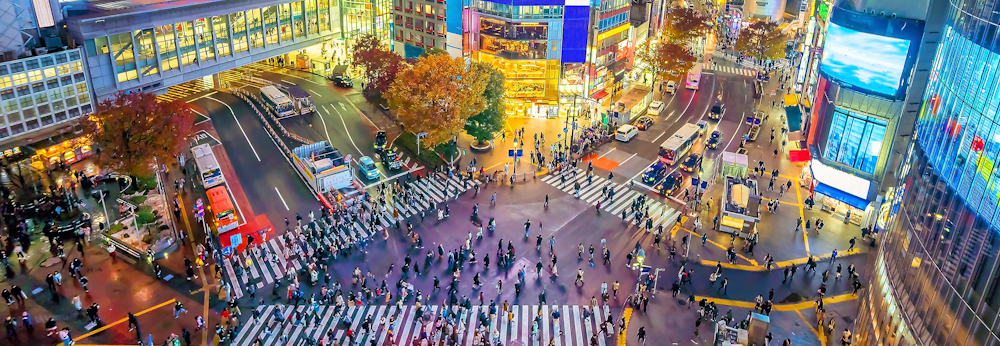
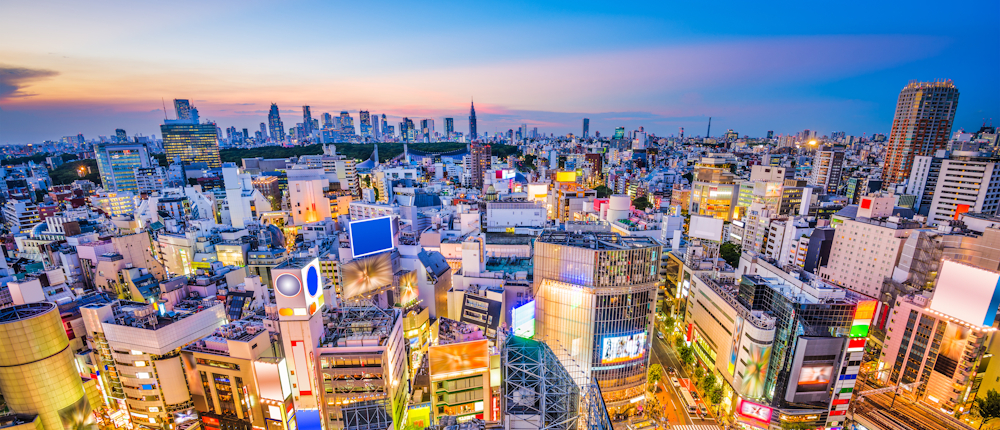
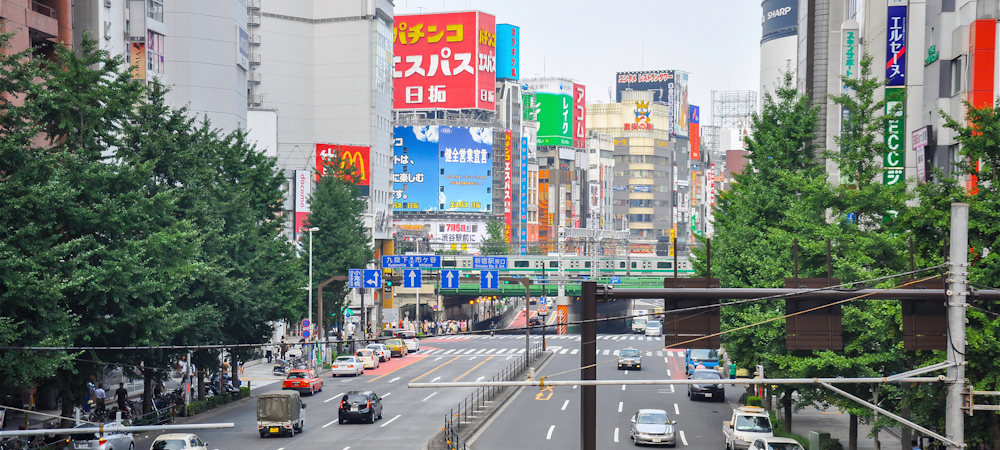
Crowds at Shibuya Crossing, Tokyo

The greater Tokyo area is the largest metropolitan area in the world and is home to nearly 38 million inhabitants. Expats will find it hard to escape the crowds, with traffic and long queues everywhere.

Since much of Tokyo was razed during the fire bombings of World War II, the small, traditional Japanese façades have almost entirely been replaced by a modern concrete jungle. Still, despite the fast pace of this cosmopolitan hub, there are backstreets even in the heart of the city that can be quite tranquil. These areas provide charming accommodation.

Tokyo’s public transport system is ultra-efficient and is considered one of the world’s best. The well-integrated system includes underground trains (subways), overground trains, buses and trams, with plenty of taxis available to supplement. As a result, the city is extraordinarily accessible, even to newly arrived expats.

Getting Around in Tokyo

Families and children in Tokyo

Despite Tokyo’s fast-moving lifestyle, the city is a fantastic place to raise children. With some of the world’s most exciting family attractions (such as Legoland and Tokyo Disneyland), finding something to keep the kids entertained is never hard.

Parents will be glad to know that Japan’s healthcare system is robust, providing 70 percent coverage for adults and 90 percent for children. An excellent range of hospitals can be found in Tokyo.

Best Attractions in Tokyo 
Kids and Family in Tokyo 
Best Hospitals in Tokyo

Finding a school in Tokyo

Expat parents moving to Tokyo with children of school-going age are often nervous about the Japanese education system’s negative reputation. While these concerns have some validity in the public system, plenty of private international schools employ the curricula, teaching style and language of countries such as the UK and the US.

Although these schools are often pricey, expat parents find they tend to smooth the difficult transition of starting at a new school in a new country. It’s also a great way to meet fellow expat families.

Education System in Tokyo 
Best International Schools in Tokyo

Finding accommodation in Tokyo
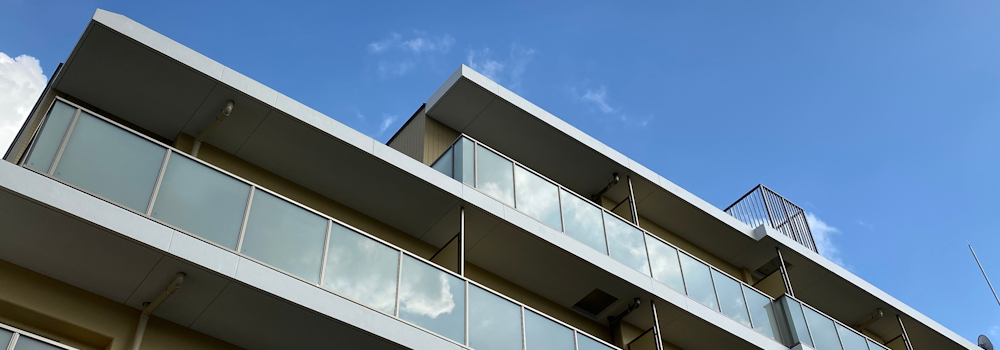
Apartment building in Tokyo

Tokyo has a wide array of areas and suburbs for expats to choose from, ranging from vibrant central hubs to traditional Japanese enclaves. Finding accommodation can be tough, though, with plenty of competition among potential tenants. Some landlords are also hesitant to rent to foreigners, adding to the challenge.

Expats can navigate these challenges by being well prepared and hiring the right people to assist them, such as a bilingual real estate agent and a local guarantor from an agency. Knowing the ins and outs of renting in Japan is crucial, and having the proper guidance makes all the difference.

Best (and Worst) Areas in Tokyo 
Finding Expat Accommodation in Tokyo

Climate in Tokyo

While the weather in Tokyo isn’t much to write home about, it’s not especially unpleasant either. Winters are mostly sunny and mild, while summers are hot and humid. The main weather event expats will need to look out for is typhoons, which are most likely to occur between June and October. In the event of a typhoon, it’s best to head home, sit tight and await instructions from the authorities.

Weather in Tokyo

It’s often said that the people make the city, and Tokyo is no exception. Most Japanese locals are welcoming and proud of their city and are invested in helping newcomers have a positive experience. Expats who reciprocate the locals’ kindness and attempt to converse in Japanese will surely find themselves making local friends in no time.

Weather in Tokyo

The climate in Tokyo is temperate, with fairly mild and sunny winters, although there may be some cold, snowy and windy days that are less pleasant. The average maximum during this period is around 50°F (10°C). On the other hand, summers tend to be hot and humid, with highs reaching up to 95°F (35°C).

Between June and October, the city can be affected by typhoons. The peak typhoon season is in August and September, and this time of year can bring strong winds and torrential rains that lead to heavy damage. During a typhoon, it’s crucial to follow instructions from local authorities and disaster management agencies, which might involve staying indoors or evacuating, depending on the severity of the situation. Typhoons can significantly impact daily life, leading to disruptions in transport and other essential services. It’s therefore important to be prepared and stay updated on the situation.


Pros and Cons of Moving to Tokyo

Whether moving to Tokyo for a short-term job opportunity or drawn to the country’s culture, language, and cuisine, expats living in this massive metropolis are bound to encounter both ups and downs.

An expat’s perception of life in Tokyo may differ depending on their personality, interests, background, or occupation. For instance, the experience of an international student on a tight budget studying at a Tokyo university will be entirely different to that of a businessperson working in a top executive position in the Japanese capital. Nevertheless, those with an open mind and determination to overcome potential barriers will be best suited to appreciate their time in this city.

Below is a list of the pros and cons of relocating to Tokyo.


Accommodation in Tokyo

Apartments in Tokyo

+ PRO: High standard of housing in expat areas

Most expats find that the standard of facilities in Tokyo apartments and houses is high. Most areas that are popular among expats are well connected to amenities, supermarkets, restaurants, public transport links and schools. That said, living spaces are typically smaller than most expats may be used to, and new arrivals may need to compromise on either their rent or property size.

- CON: Costly to secure a property for rent

When looking for modern, spacious accommodation, expats will soon feel the weight of living in one of the world’s most expensive cities. Rent is a major expense, and utilities are typically an additional cost. Some apartment blocks also charge a maintenance fee. Expats must also budget for at least one month’s deposit, key money, and agent and guarantor fees when securing their lease.

Best (and Worst) Areas and Suburbs in Tokyo 
Renting Expat Accommodation in Tokyo


Getting around in Tokyo

+ PRO: Extensive and efficient public transport networks

Transport in Tokyo is efficient, wide reaching and well integrated. It’s easy to get around without driving a car, which saves on fuel expenses too.

- CON: Confusing for new arrivals to navigate

Tokyo is considered the world’s largest metropolis by some measures, which can be overwhelming to visitors and newly arrived expats. Crowds are unavoidable during rush hour, and battling the hustle and bustle can seem nightmarish.

A newly arrived expat can begin to orient themselves by taking a train or the subway during off-peak times. Thanks to maps and signs in multiple languages, including English, and apps such as Google Maps, getting lost need not be a significant concern in the long run.

Getting Around in Tokyo


Cost of living in Tokyo

Pile of coins and miniature house on bills

- CON: Expensive city

The cost of living in Tokyo consistently ranks among the highest in the world. While an expat’s salary may appear lucrative, they will need to ensure it can support all their expenses, especially rent and, for families with school-aged children, international school fees.

Cost of Living in Tokyo


Education and schools in Tokyo

+ PRO: Excellent school system

Whether expats opt for a public, private, or international school, they will likely find a high standard of facilities and qualified and capable teachers. Public education can save expats a lot of money on fees and can help integrate young kids whose families plan to stay in Tokyo long term. On the other hand, international schools usually allow for a smoother transition as they cater to expat students.

- CON: Challenging balance between learning environments and school fees

State schools across Japan are known for pressuring students to obtain top marks. This can be a stressful experience that not all expat children are used to or can adjust to. While it can be circumvented by opting for an international school instead, fees and extra costs can be high.

Education and Schools in Tokyo 
Best International Schools in Tokyo


Lifestyle in Tokyo

Tokyo Tower cityscape

+ PRO: Impossible to get bored

There is so much to see and do in Tokyo. From Senso-ji, the city’s oldest Buddhist temple, to the Eiffel Tower-inspired Tokyo Tower, there are numerous tourist attractions and landmarks that are considered must-sees. Shopaholics will find themselves in paradise, especially along Takeshita Street, a popular pedestrian shop-lined street, while an exciting array of annual events keeps everyone busy.

+ PRO: Opportunities for quiet escapes

A bustling megacity with diverse amenities and a huge population, Tokyo can easily stress out an expat, resulting in overstimulation and burnout. Fortunately, the city can be surprisingly quiet outside tourist and commercial areas and transport hubs.

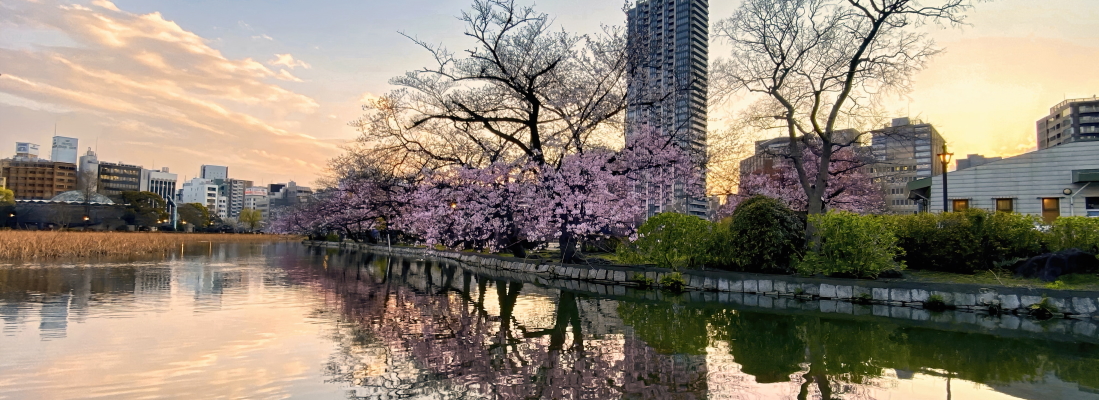
Places such as Ueno Park and Shinjuku Gyoen National Garden offer an escape into nature. They are particularly beautiful when the pink and white cherry blossoms, or sakura, come to life in the spring.

+ PRO: Endless fun for families with kids

Expat families with children moving to Tokyo will find countless activities to keep them occupied. Expats can take their pick of family-friendly distractions, from the National Museum of Emerging Science and Innovation to Tokyo Disneyland.

- CON: Difficult work-life balance

Life in Tokyo often seems to be all ‘work hard’ without any ‘play hard’. With long business hours and few statutory paid leave allowances, it’s not uncommon to feel burnt out when working here. To avoid this, some expats try to get out of the city for a weekend break and find themselves relaxing in the hot spring resorts in Hakone and the Izu Peninsula or hiking, skiing and snowboarding in Hakuba during winter.

Shopping, Eating Out and Entertainment in Tokyo 
Best Attractions in Tokyo 
Kids and Family in Tokyo 
Business Culture in Japan


Healthcare in Tokyo

+ PRO: Access to Japan’s National Health Insurance

Japan’s National Health Insurance (NHI) system is comprehensive and efficient, covering 70 percent of healthcare costs. All residents, including expats, are legally required to have health insurance. The monthly premium is based on income, ensuring that it’s affordable for everyone.

The NHI allows expats to access a vast network of clinics and hospitals. However, some private and high-end medical facilities may not accept NHI, and services at these places could be costly. Always verify what is covered before using any medical service.

Healthcare System in Japan 
Best Hospitals in Tokyo

Cost of Living in Tokyo

The cost of living in Tokyo can be as high as its skyscrapers, which is often a major concern for expats moving to the city. That being said, with the lucrative salaries offered in Tokyo, it is still possible to build a comfortable life here. We recommend negotiating your relocation package with factors such as housing and education costs in mind when moving to Tokyo for work.


Cost of accommodation in Tokyo

The most significant expense in Tokyo is accommodation. Apartments are the most popular form of housing for expats, and monthly rental fees can be high, especially considering that typical apartment sizes in Japan are much smaller than what most expats will be used to.

There are also other fees involved when moving into a new place. Extra costs include the deposit, key money, the first month’s rent in advance, and agency fees. Additionally, you’ll need to pay for your utilities, as these aren’t usually included in the monthly rental price.

Renting Expat Accommodation in Tokyo 
Best Areas and Suburbs in Tokyo


Cost of transport in Tokyo

Most expats in Tokyo use public transport instead of owning a car. In comparison to other Asian capitals such as Seoul, public transport is expensive in Tokyo, but it’s also highly efficient, making owning a car unnecessary.

Getting Around in Tokyo


Cost of groceries in Tokyo

When it comes to food, Tokyo’s standards are exceptional, although the price of fresh produce in Tokyo is higher than you will likely be used to. Quality is top notch, and seafood is relatively cheap. Many supermarkets offer evening discounts to clear out the day’s stock.


Cost of entertainment and eating out in Tokyo

As an international metropolis, Tokyo offers a vast array of entertainment options, varying widely according to personal preferences and lifestyle choices. From sumptuous fine dining experiences to affordable local eateries, Tokyo’s food scene is diverse and caters to all budgets. If you’re on a budget, bentos from convenience stores or meals from department store food courts are affordable and delicious alternatives to pricier restaurants.

The city also has various attractions, kid-friendly activities, and annual events and festivals. While some of these activities may come with an entrance fee, plenty of low-cost or free activities are available for those looking to enjoy the city on a budget. From strolling in one of Tokyo’s beautiful parks to taking in the lively local neighbourhoods, there is always something to do in this bustling city.

Shopping, Entertainment and Nightlife in Tokyo 
Top Attractions in Tokyo


Cost of education in Tokyo

Education in Tokyo, while of high quality, can be a substantial expense for expat families. If you’ve brought your family to Japan, you’ll probably want to enrol your children in a school that offers a foreign curriculum. The international schools in Tokyo use systems such as the US or UK national curricula or the International Baccalaureate. They’re renowned for their exceptional educational standards, but tuition fees tend to be high.

Besides tuition, be prepared to budget for additional costs such as registration fees, uniforms, books, and excursions. Scholarships and financial aid might be available in some schools, but they are not guaranteed.

Education and Schools in Tokyo 
Best International Schools in Tokyo


Cost of healthcare in Tokyo

The standard of healthcare in Tokyo is excellent, featuring state-of-the-art medical technology and a comprehensive range of services. The city is equipped with a broad network of hospitals and clinics, many of which offer services in English and other foreign languages, catering to the city’s diverse expat population. The cost of healthcare can be relatively high compared to other cities worldwide.

All residents, including expats, are required by law to be covered by health insurance in Japan. This can be through the national health insurance scheme or a private insurance plan. National health insurance typically covers 70 percent of healthcare costs, with patients paying the remaining 30 percent out of pocket.

Healthcare System and Health Insurance in Japan 
Best Hospitals in Tokyo


Cost of living in Tokyo chart

Prices are listed in Japanese yen (JPY) and may vary depending on the product and service provider. The list below shows the average prices for Tokyo in November 2025.

Accommodation (monthly rent)
Three-bedroom apartment in the city centreJPY 350,000
Three-bedroom apartment outside the city centreJPY 200,000
One-bedroom apartment in the city centreJPY 160,000
One-bedroom apartment outside the city centreJPY 99,000
Shopping
Eggs (dozen)JPY 355
Milk (1 litre)JPY 230
Rice (1kg)JPY 850
Loaf of white breadJPY 210
Chicken breasts (1kg)JPY 1,150
Cheese (500g)JPY 1,000
Eating out
Three-course meal for two at a mid-range restaurantJPY 7,000
Big Mac MealJPY 750
Coca-Cola (330ml)JPY 180
CappuccinoJPY 520
Draft beer (500ml)JPY 600
Utilities/household
Mobile phone monthly plan with calls and dataJPY 4,000
Internet (uncapped ADSL or cable – average per month)JPY 4,800
Basic utilities (average per month for a standard household)JPY 24,500
Transportation
Taxi rate (per kilometre)JPY 500
City-centre public transport fareJPY 230
Gasoline/petrol (per litre)JPY 178

Accommodation in Tokyo

Accommodation in Tokyo comes at a premium, as is often the case in large, bustling cities. While the standard of housing is excellent, many an expat has found that the properties are far smaller than what they are accustomed to back home.

Rentals in Tokyo move quickly, and expats should ensure they understand the processes involved in securing accommodation in the city before making the move.


Areas and suburbs in Tokyo

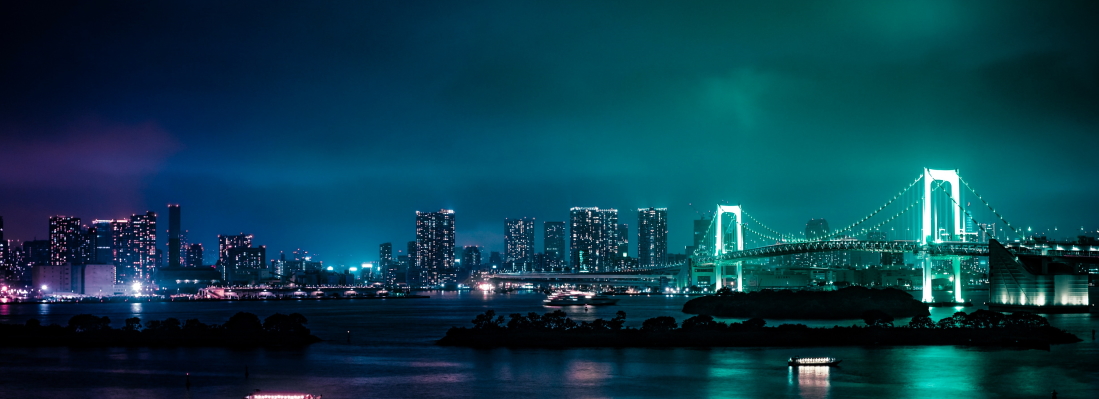
Panoramic view of Tokyo

From historical districts to downtown hotspots, Tokyo’s diverse neighbourhoods are as multifaceted as the city itself. Whether you have a love for the hustle and bustle of downtown or a preference for quieter, more residential areas, there is a perfect spot for everyone.

The city’s popular areas among expats often balance work and leisure amenities. Central districts like Minato, Shibuya, and Chiyoda are renowned for their status as business hubs and entertainment centres with excellent connectivity. Minato, in particular, is a favourite for its upscale shopping, dining and cultural spots. Shibuya, home to the famous Shibuya crossing, offers a lively atmosphere teeming with restaurants, while Chiyoda, where the Imperial Palace resides, boasts a mix of modernity and tradition.

On the other hand, neighbourhoods like Setagaya and Meguro offer a more suburban feel, with plenty of green spaces, serene temples and a network of canals. These areas, although quieter, are still comfortably close to central Tokyo, making them an ideal choice for families and those seeking a tranquil respite from the city’s fast pace.

For a slice of Tokyo’s historical charm, areas like Taito and Sumida are perfect. Home to the famous Senso-ji temple and the Tokyo Skytree respectively, these districts offer an array of traditional shopping streets, food stalls and artisanal craft shops.

See Areas and Suburbs in Tokyo to learn more about the areas most popular with expats.


Types of accommodation in Tokyo

Due to the limited space, apartments are the most common form of accommodation found in Tokyo. Larger family homes with gardens are available but tend to be located further from the city centre.

In Tokyo, smaller and older apartments or apato are particularly common in densely populated districts like Toshima and Shinjuku. The more modern and spacious manshon are more prevalent in newer areas like Chiyoda and Minato.

Many apartments in central Tokyo districts, such as Shibuya, Shinjuku, and Roppongi, are rented unfurnished, with no white goods, including refrigerators or washing machines. However, in districts like Nakano and Koto, it’s more common to find apartments partially furnished with essential white goods.


Finding accommodation in Tokyo

Searching for accommodation online

While it’s possible to find a property in Tokyo using online resources and newspaper property listings, most expats don’t make much progress through these channels because of the language barrier. Real estate agents catering to English-speaking clients can be found in areas popular among expats. In these areas, landlords are generally more open to renting to foreigners, easing the process for expats.

For this reason, most new arrivals prefer to enlist the services of a real estate agent. These professionals have a comprehensive knowledge of suitable properties in the area and are in a position to find accommodation that meets the needs and budget of their clients.

Furthermore, many landlords are reluctant to rent to foreigners without the security of using a reputable agent or a Japanese guarantor.

Useful links


Renting accommodation in Tokyo

Door opening into new home

Making an application

Securing accommodation in Tokyo typically involves a series of steps. The process begins with a property viewing, which is often arranged by a real estate agent.

If the property is suitable, the potential tenant fills out an application form, which is then submitted to the landlord or property management company for approval.

Many landlords in Tokyo prefer tenants with a stable income, so proof of employment, typically in the form of a contract or payslip, is often requested. Foreigners may also need to provide their Residence Card, a document issued upon arrival in Japan.

It’s worth noting that not all landlords rent to foreigners due to language barriers or cultural differences. For this reason, you should expect to apply for multiple properties before your application is accepted. Having a Japanese guarantor will increase your chances of success – if you don’t know anyone willing to be your guarantor, paying a guarantor agency for this service is an option.

Fees and deposits

The cost of renting in Tokyo is not merely the monthly rent. Several fees are associated with the rental process, significantly affecting the overall cost. An initial deposit (shikikin) is required, usually equivalent to one or two months’ rent. This is refundable at the end of the lease, less any deductions for damages or unpaid bills.

Apart from the deposit, key money (reikin) is expected. This is a non-refundable payment to the landlord, typically equivalent to one or two months’ rent.

Additionally, there are agent fees, which are typically equivalent to one month’s rent. This fee is paid to the real estate agent for their services in securing the property.

Leases

Lease agreements in Tokyo are typically for two years, and renewal fees (usually equivalent to one month’s rent) are often requested upon expiration. Rent is paid monthly in advance, with the final month of rent being paid at the start of the lease, along with the first month of rent.

See Accommodation in Japan for detailed information on the rental process in the country.


Utilities in Tokyo

Wooden house and utility blocks

In Tokyo, utilities are typically not included in the rent. Some services, such as water, are billed bi-monthly rather than monthly, which should be considered when budgeting. Gas and electricity are billed monthly.

Prompt set-up of these services upon moving in is essential for residents to avoid service interruption.

Electricity

Electricity in Tokyo is supplied by Tokyo Electric Power Company (TEPCO). The company provides reliable service, but costs can be quite high, especially during the summer months when air conditioning units are heavily used.

To get connected, expats will need to contact TEPCO directly and provide their details.

Gas

Gas in Tokyo is primarily supplied by Tokyo Gas. It is used for cooking, water heating and home heating. The cost of gas, like electricity, can be relatively high, particularly during the winter months.

Residents can start a new contract by contacting Tokyo Gas.

Water

Water service is provided by the Bureau of Waterworks in the Tokyo Metropolitan Government. The water in Tokyo is safe to drink straight from the tap, and the service is reliable. After moving in, residents need to contact the Bureau to set up their water supply.

Waste disposal

Waste disposal is managed by the local municipality in Tokyo, and each ward can have its own specific rules for waste separation and collection. It is important for residents to check with their local ward office to understand the specific rules in their area.

Tokyo operates a strict recycling policy, making it essential for expats to follow the rules for disposing of any and all waste.

Useful links

Areas and suburbs in Tokyo

The best places to live in Tokyo

Expats can choose from a vast array of areas and suburbs in Tokyo, each with its own distinct character. Tokyo is a massive metropolis made up of many small, distinct neighbourhoods, several of which form a ward or ku.

There are 23 wards in total within Tokyo. Minato, Shibuya, and Meguro are particularly popular with expats. These areas are ideal if you prefer a locale that offers plenty of international interaction, as well as supermarkets and shopping options that stock familiar items from home.

Most people living in Tokyo don’t own a car, so living in an area with good access to public transport will be a priority. You’ll need to consider the commute to and from work or school if you have children. Most international schools in Tokyo are located in the heart of the city.

When choosing an area, ensure that the type of housing you’re looking for is available in that location. For instance, Akasaka comprises mainly high-rise buildings, but it’s possible to find some very nice homes in Shirokanedai, Hiroo and Moto Azabu.


City living in Tokyo

Tokyo

Akasaka

Located in central Tokyo’s Minato Ward, Akasaka is home to numerous embassies and multinational companies. This thriving business area has an array of top-notch restaurants and exciting bars. There are also pockets of serenity to be found, like the peaceful grounds of the Hikawa shrine.

Akasaka is right on the doorstep of the metro, making travel around the city a snap. State-of-the-art high rises with breathtaking city views can be found throughout Akasaka. While it’s by no means a cheap place to live, Akasaka offers residents an endless array of entertainment options and the convenience of living at the heart of the action.

Daikanyama

Walking around in charming Daikanyama feels different to other areas in Tokyo. The architecture is eclectic, the people are eccentric, and the shops and restaurants are quirky. Known as ‘Little Brooklyn’ as a reference to the New York City borough, it’s said to be one of Tokyo’s best-kept secrets, tucked between the bustling areas of Shibuya, Ebisu, and Nakameguro.

Omotesando

Omotesando resembles the Champs-Élysées in Paris or Fifth Avenue in New York City. It’s a beautiful tree-lined street – quite unique to Tokyo – and filled with high-end designer shops. Many smaller boutiques can also be found in the backstreets of Omotesando and the neighbouring area of Harajuku. Although Omotesando is primarily a commercial area, residential pockets are tucked away among the boutiques and cafés.


Family life in Tokyo

Tokyo

Azabu

The quiet, ancient streets of the Azabu area twist and turn up hills and down alleys, winding around parks. You’ll find numerous embassies tucked away in streets adjacent to large homes and small apartment buildings. Azabu lacks the massive high rises typical of other expat areas, which opens up some interesting options.

If you’re looking for an authentically Japanese neighbourhood, Azabu has it all, seamlessly blending tradition with modernity. It is, however, one of the most expensive areas to live in Tokyo, so you’ll need an ample budget if you intend to live here.

Shirokane and Shirokanedai

Shirokane and Shirokanedai (two areas divided by Meguro dori) are good neighbourhoods to consider if you’d prefer to live in a house rather than an apartment. This area is primarily residential and not as commercial as the other expat neighbourhoods surrounding it. It’s also home to Platinum dori, the main shopping street in the area, which features high-end shops and cafés.

Healthcare in Tokyo

Expat healthcare in Tokyo and healthcare in Japan as a whole are of good quality. Health insurance is mandatory and is partially funded by compulsory contributions determined according to annual income.

There are two main nationalised healthcare schemes in Japan – Employees’ Health Insurance (EHI) for those working in the country, and National Health Insurance (NHI), which covers those ineligible to use EHI.

The government covers 70 percent of costs, with the patient responsible for the balance. Certain procedures may not be covered, and some purchase private health insurance for extra coverage. Private health insurers require that patients pay upfront for treatment and then submit receipts for reimbursement. The insurer then refunds the approved amount to the policyholder.

Pharmacies are widely available throughout Tokyo, and many are open 24 hours a day. They can be identified by a green cross symbol. Over-the-counter medication is available for minor ailments, but for more serious conditions, a prescription from a doctor is required.

While English-speaking staff are common in larger hospitals and clinics, this may not be the case in smaller facilities or pharmacies.

Non-Western medicine is also prevalent in Japan. These treatments are often used in conjunction with Western medicine and are sometimes covered by Japanese health insurance.

Below is a list of prominent hospitals in Tokyo.


Hospitals in Tokyo

Japanese Red Cross Medical Center

Address: 4-1-22 Hiroo, Shibuya-ku, Tokyo 150-8935 
Website: www.med.jrc.or.jp

St Luke’s International Hospital

Address: 9-1 Akashi-cho, Chuo-ku, Tokyo 104-8560 
Website: hospital.luke.ac.jp

Tokyo Station International Center

Address: 1-9-1 Marunouchi, Chiyoda-ku, Tokyo 100-0005 
Website: www.international clinic.tokyo

University of Tokyo Hospital

Address: 7-3-1 Hongo, Bunkyo-ku, Tokyo 113-8655 
Website: www.h.u tokyo.ac.jp

Education and Schools in Tokyo

Japanese society places a high value on education, and schools in Tokyo offer expats new to the city a wealth of choices. Local public schools and international schools both provide an excellent quality of education.

Most expat families opt to enrol their children in one of Tokyo’s international schools. These schools cater to the specific needs of international students, offering a continuity of education with curricula from their home countries. This makes the transition into life in Tokyo smoother.

Tokyo’s international schools are geared toward a diverse range of nationalities and adhere to various international curricula, predominantly those of the American or British systems. The globally renowned International Baccalaureate is also a highly regarded option. Admission requirements, tuition fees and additional costs vary widely among these schools.

Local public schools in Tokyo are also well worth considering, although they’re generally best suited to families staying in Japan for the long term. The language barrier can be an issue, so families looking to take this route should only do so if their children have prior knowledge of Japanese or are young enough to pick up the language at school.


Public schools in Tokyo

School in Tokyo, Japan

For expat families with young children moving to Tokyo for an extended period, Tokyo’s public schools can be a good option. These schools can help children integrate into Tokyo’s local community and learn to speak, read and write Japanese fluently.

Tokyo’s public schools offer language support to students who are not fluent in Japanese. These efforts are further enhanced by the Tokyo Metropolitan Board of Education’s initiatives for multicultural coexistence education, which aim to support foreign children in their learning journey.

That said, there are some negatives to public schooling in Japan. The school system in Tokyo is perceived as rigorous, with high academic expectations.

For more on the national education system, see Education and Schools in Japan.


Private schools in Tokyo

Tokyo also boasts a diverse range of private schools. These institutions provide unique pedagogical approaches and follow the Japanese curriculum, often incorporating English language classes and global perspectives. They offer smaller class sizes than public schools and provide a variety of extracurricular activities.

Some private schools have a reputation for academic excellence and high university entrance rates. Although tuition fees tend to be higher than in public schools, many families consider the personalised learning environment a worthy investment. Admission can be competitive due to the high standard of education these schools offer.


International schools in Tokyo

Chalkboard with pile of books, apple and pencils

With over 50 international schools in Tokyo, expat families have a diverse range of programmes to choose from. Most teach in English and follow the American, British, or International Baccalaureate (IB) curriculum, although some schools cater specifically to other nationalities, including French and German.

One of the key advantages of international schools is that they offer continuity of education for students. This ensures a smooth transition for those moving to Tokyo from abroad and provides a globally recognised standard of education in the home language of the school’s sponsoring country.

Admission requirements vary widely among international schools. Many require prospective students to go through an interview process to assess their academic level and language proficiency. Schools might also ask for academic records, recommendation letters and standardised test scores where applicable. Some popular international schools in Tokyo have waiting lists, so applying as early as possible is advisable.

Tuition fees differ from school to school and often depend on the grade level. Additional costs may cover items such as uniforms, field trips, bus services and technology fees. Financial considerations are a significant aspect of choosing an international school, so parents should carefully review each potential school’s cost structure.

Learn more about International Schools in Tokyo.


Special-needs education in Tokyo

Tokyo’s inclusive approach to education means students with special educational needs are mostly accommodated within regular public schools. The Tokyo Metropolitan Government has been proactive in promoting inclusive education, establishing special education centres and deploying support staff to schools.

The assistance offered depends on the severity of the child’s needs, including resources like special-needs assistants, speech and language therapists, and physiotherapists.

Expats whose children have special educational needs should begin by communicating with their chosen school directly, providing them with as much information as possible about their children’s conditions and the previous support they’ve received.

Some schools might require a formal diagnosis or an individual educational plan (IEP) to design appropriate support. Dedicated special-needs schools also exist for children with severe learning barriers or disabilities.

Certain international schools, as well as schools following the Waldorf Steiner and Montessori methods, support specific conditions. They offer more flexibility in their teaching methods and may have additional resources to help students with special educational needs, although this often comes at an extra cost.


Tutors in Tokyo

Online tutoring in Tokyo

Given the competitive nature of schooling in Tokyo, tutors are widely used. They can help with various areas, such as maintaining mother tongue language skills, improving Japanese or adapting to a new curriculum. This can be especially helpful for children transitioning from one curriculum to another or those who require extra support for language skills, whether to improve their Japanese or maintain their proficiency in their mother tongue.

Tutors can also assist with preparation for entrance exams, a common requirement for private and international schools in Tokyo. Some tutoring centres offer courses specifically designed to prepare students for these exams, and it’s not uncommon for students to begin these preparatory courses a year or more in advance of the actual exams.

With numerous tutoring companies in the city, expats are advised to conduct thorough research and consult with their children’s schools for recommended tutors. Many tutors in Tokyo are licensed teachers, and some tutoring centres offer special programmes tailored for international students.

International Schools in Tokyo

International schools in Tokyo are plentiful, owing to the city’s status as a global business hub. Parents will find schools offering the UK curriculum (including the Cambridge IGCSE and A-levels), the US curriculum (including SATs and AP subjects), and the globally respected International Baccalaureate, among others.

Expat families tend to favour international schools in Tokyo for several reasons. Firstly, these schools have diverse student bodies, allowing children to interact with other expat students. Secondly, many families find that there are international schools teaching the curriculum of their home country in their native language.

Even if your home country isn’t represented, international schools in Tokyo are still an excellent choice as they provide world-class education leading up to globally recognised qualifications.

Below is a list of international schools that are popular with the expat community in Tokyo.


International schools in Tokyo

Aoba-Japan International School

Aoba-Japan International School is a fully accredited International Baccalaureate World School, offering students a globally recognised education. The school’s low student-to-teacher ratio provides students with ample individual attention. Read more

Gender: Co-educational 
Curriculum: International Baccalaureate 
Ages: 1.5 to 18

American School in Japan

With more than 120 years of history, the American School in Japan is experienced in providing top-quality education to both expat and local families in Tokyo. The school’s main campus is situated on a sprawling 14-acre property replete with custom-designed facilities. Read more

Gender: Co-educational 
Curriculum: American (including Advanced Placement) 
Ages: 3 to 18

British School in Tokyo

The British School in Tokyo (BST) is a diverse school of more than 1,400 students from 65 countries around the world. Accredited by the Council of British International Schools, BST is certified to offer the well-respected UK curriculum to students aged 3 to 18. Read more

Gender: Co-educational 
Curriculum: British (English National Curriculum, Cambridge IGCSE and A-levels) 
Ages: 3 to 18

Canadian International School Tokyo

Situated in the bustling bayside ward of Shinagawa, Canadian International School Tokyo is a small school offering the Canadian curriculum of Prince Edward Island. From Kindergarten to Grade 6, the International Baccalaureate Primary Years Programme is also incorporated. Read more

Gender: Co-educational 
Curriculum: Canadian and International Baccalaureate 
Ages: 3 to 18

Deutsche Schule Tokyo Yokohama

Deutsche Schule Tokyo Yokohama provides a comprehensive German education. This small school has a focus on community and holds the distinction of being the only school in Japan to offer the German International Abitur. Read more

Gender: Co-educational 
Curriculum: German 
Ages: 3 to 18

Global Indian International School Tokyo

With a range of curricula available, Global Indian International School Tokyo is an ideal choice for globally mobile families. The school has four campuses across Tokyo and is part of a worldwide network of highly respected schools. Read more

Gender: Co-educational 
Curriculum: Montessori, Indian (CBSE), Cambridge IGCSE, and International Baccalaureate 
Ages: 3 to 18

Kspace International School

Kspace International School is a secular Co-educational school with a young and dynamic staff, conveniently located in central Tokyo. Students can be taught in English or enrol in the school’s bilingual programme, where one hour each day is taught in Japanese. Read more

Gender: Co-educational 
Curriculum: British (English National Curriculum) 
Ages: 14 months to 6 years

Lycée Français International de Tokyo

Lycée Français International de Tokyo aims to provide a truly global education. The French curriculum serves as the framework for teaching, with the addition of linguistic and cultural components influenced by the school’s Japanese surroundings. Read more

Gender: Co-educational 
Curriculum: French 
Ages: 3 to 18

Shinagawa International School

An authorised International Baccalaureate school, Shinagawa International School offers a holistic education that upholds high academic standards while also encouraging personal growth. The school boasts an impressive student-to-teacher ratio, allowing teachers to give each child individualised attention and guidance. Read more

Gender: Co-educational 
Curriculum: International Baccalaureate 
Ages: 3 to 18

Tokyo International School

Moving to a new campus in Takanawa Gateway in 2026, Tokyo International School offers students a high-quality education in an exciting environment. The school teaches the International Baccalaureate to classes of no more than 20 students, enabling teachers to give individualised attention to each student. Read more

Gender: Co-educational 
Curriculum: International Baccalaureate 
Ages: 5 to 18

Lifestyle in Tokyo

The lifestyle in Tokyo is exciting, teeming with nightlife hotspots, world-class restaurants, fascinating museums, and sprawling shopping centres. Tokyo’s expat community has access to an interesting and sociable lifestyle, enriched with a multitude of exciting annual events, must-see attractions and top entertainment venues.


Shopping in Tokyo

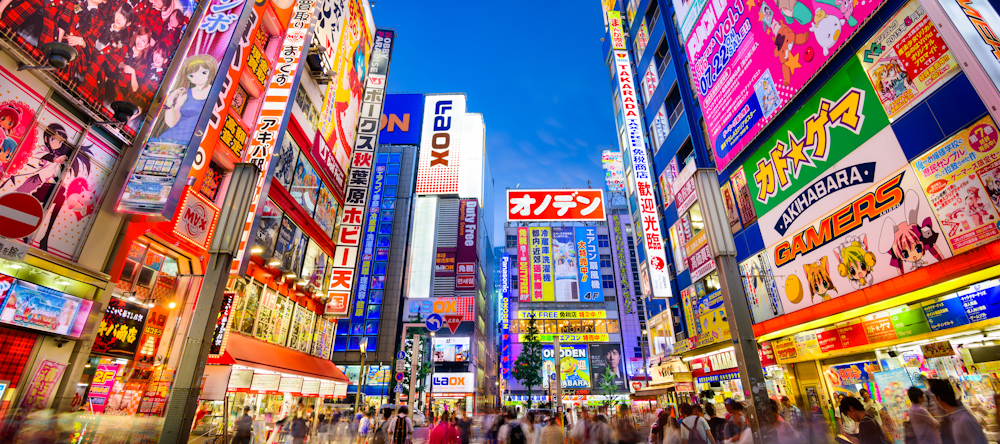
Akihabara, Tokyo. Photo by ESB Professional via Shutterstock.

The bustling consumer culture makes shopping in Tokyo an essential cultural experience for expats. Tokyo, leading in fashion, design and electronics, boasts districts like Akihabara – an anime, manga and tech paradise – ensuring the city remains at the forefront of these industries.

Shopping malls are a significant part of urban life. Shinjuku Station is surrounded by multi-level malls retailing every item imaginable. Major chains like Keio and Isetan can be reached directly from the station.


Eating out in Tokyo

Tokyo has reigned for nearly two decades as the city with the most Michelin-starred restaurants in the world. Needless to say, the dining experience in Tokyo surpasses expectations at every turn, making it a gastronomic paradise for foodies and casual diners alike. The city’s food scene reflects the deep-rooted culinary traditions of Japan, intermingled with global influences. Exquisite sushi, tempura, and ramen are just the start of the culinary journey.

For a quick and inexpensive meal, heading over to one of the numerous ramen shops scattered around the city is recommended. From the thick, flavourful broth of tonkotsu ramen to the soy-based shoyu variety, there’s a ramen for every palate.

Catering to global tastes, Tokyo’s dining scene presents a wide array of ethnic cuisines, making it an international food capital for expats and food lovers. From Italian to French, Indian, Mexican and everything in between, the international restaurant scene is very vibrant. The city also hosts a variety of vegan and vegetarian restaurants, catering to the increasing demand for plant-based foods.

For those looking to splurge on an upscale dining experience, Tokyo’s Ginza district is home to several high-end restaurants offering exquisite kaiseki (traditional multi-course meal) experiences.


Nightlife in Tokyo

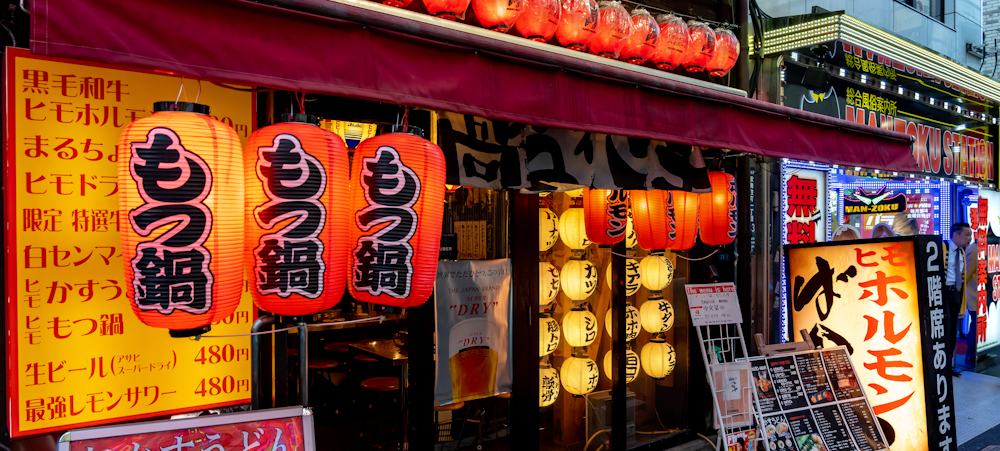
Japanese pub (izakaya) in Tokyo. Photo by JHVEPhoto via Shutterstock.

After sunset, Tokyo transforms into a dazzling metropolis of neon lights, offering a plethora of nightlife activities, making the city’s nightlife scene a must-experience aspect of living here as an expat. From lively bars and clubs to quiet jazz cafés and from traditional Japanese izakayas (pubs) to futuristic robot shows, there’s something for everyone.

We recommend expats start their evening with a visit to a nomiya (a small Japanese bar) or an izakaya, where they can indulge in various small plates paired with sake or beer. The famous Shinjuku Golden Gai, with its numerous winding alleys, is home to a collection of cosy bars. Some bars may have a ‘seat charge’, a cover fee for sitting in the establishment.

Roppongi, a favourite spot among Tokyo’s expat community, is renowned for its high-energy nightclubs, upscale bars and international restaurants, all part of the pulsing Tokyo nightlife scene. It’s an ideal location for those looking to party all night.

For cocktail connoisseurs, Tokyo’s mixology scene is world-class. Renowned bars like Bar High Five in Ginza and The SG Club in Shibuya are recognised globally for their innovative concoctions.

Finally, no Tokyo nightlife experience would be complete without a karaoke session. This quintessential Japanese pastime is available at a number of karaoke boxes around the city, where karaoke enthusiasts can rent a private room and sing their hearts out with friends.


Outdoor activities and sports in Tokyo

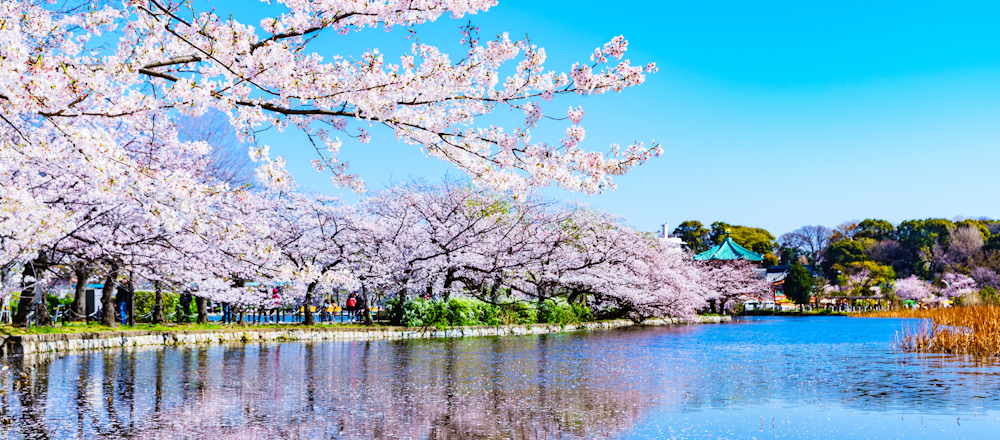
Ueno Park, Tokyo

Ueno Park is a delightful location where expats can while away many an afternoon enjoying the scenic views over the water. Apart from the pond, the park also features a zoo, as well as museums and cafés. For the little ones, playgrounds can also be found dotted around the park.

Heading just a short way out of Tokyo, you’ll find Hakone. A breath of fresh air, Hakone is famous for its hot springs and splendid view of Mt Fuji. Take a leisurely stroll, picnic by the lake, and visit the Hakone Open Air Museum, which houses a variety of sculptures and interactive installations.

For those craving excitement rather than rest and relaxation, Tokyo also has much to offer. Baseball, soccer, and basketball are beloved among locals and expats shouldn’t have any problem finding a game, whether to join in or spectate.


Making friends and meeting people as an expat in Tokyo

Moving to a new city like Tokyo can be an exciting yet challenging experience. The city’s lively expat community can help ease the transition, providing an opportunity to create new social networks and friendships. Tokyo offers a variety of platforms, both online and offline, that facilitate integration into the city’s social scene and meeting new people.

Tokyo Intercultural Portal Site (TIPS)

The Tokyo Intercultural Portal Site introduces local international social groups and associations in Tokyo. This platform is an excellent starting point for those looking to connect with the local community and other expats.

The Tokyo American Club

Founded in 1928, the Tokyo American Club is one of the largest private clubs in Tokyo and provides a comfortable environment for individuals from all nations to meet and socialise. With over 3,500 members, it offers a variety of scheduled activities, making it an excellent place to forge new connections and friendships.

Otonari-san Family Friend Program

Otonari-san is designed to help foreign families who have recently moved to Japan. Connecting new arrivals with local residents and other expats, the programme facilitates a smoother integration into the local community and helps establish new friendships.

Roppongi Hills Club

The Roppongi Hills Club is a members’ club located on the 51st floor of Roppongi Hills Mori Tower. With panoramic views of Tokyo, the club provides a comfortable and luxurious environment for expats to meet and network. It regularly hosts events such as wine tastings, themed dinners, and holiday parties.

Japan-British Society

Established in 1908, the Japan-British Society is one of the oldest and most respected international organisations in Japan. It aims to promote mutual understanding and goodwill between the Japanese and British people, making it an ideal avenue for British expats to network in Japan.

Kids and family in Tokyo

Expats in Tokyo will find themselves in a high-tech global hub rich in culture, technology and innovation. This multicultural setting allows expat children and families to interact with a diverse population, often finding friends who share their home language.

Tokyo offers an array of parks, playgrounds and gardens perfect for walking, cycling and picnic outings. Notably, most of these places are close to cafés and snack stands, offering a delightful selection of treats like sushi rolls, matcha ice cream and takoyaki.

The sky’s the limit when it comes to opportunities for education and fun excursions available to families living in Tokyo.


Kid-friendly attractions in Tokyo

There are several noteworthy landmarks and venues to visit in Tokyo.

Located on the outskirts of the city is the Ghibli Museum, showcasing the works of the world-famous Japanese animation studio, Studio Ghibli. Although the museum itself is indoors, its architectural design and interactive exhibits make it a must-visit for families.

The Imperial Palace and its surrounding gardens offer an enchanting walk. Although the palace is primarily a residence for the royal family and is only open to the public on specific days, the gardens are always welcoming.


Arts and entertainment for expat families in Tokyo

Expat children and their parents will enjoy the Edo Tokyo Museum, where they can learn about the city’s history and culture. For manga and anime fans, a visit to the Tokyo Anime Center in Akihabara is a must. Here, you can explore exhibitions, purchase merchandise and even participate in anime-related events.

Kids will particularly enjoy the Tokyo Toy Museum and KidZania. The former offers a variety of vintage and modern toys, while the latter is an interactive city for kids where they can try different jobs and earn currency.

While these institutions are particularly child-friendly, Tokyo’s numerous art and science museums also frequently offer activities for children.


Child-friendly dining in Tokyo

Tokyo is not short of family-friendly dining options. Izakaya restaurants are typically quite spacious and lively, serving a variety of dishes such as yakitori, sashimi and ramen, among traditional Japanese fare. If needed, many establishments provide child-friendly menus and high chairs. With Tokyo’s global food scene, international cuisine is also widely available throughout the city.

See and Do in Tokyo

With so much to see and do in Tokyo, new expats should prepare for a sensory overload. The visual landscape is animated by flashing billboards, the hum and buzz of a densely packed population, and gleaming buildings that compete for attention. The good news is that no matter how much leisure time they have, expats will never get bored.

Using public transport is an easy way to see the sights. The transport system is excellent, cheap and relatively easy to master, even for the newly arrived expat. If expats don't mind the walk, feeling out Tokyo on foot is highly recommended, although Tokyo's streets are not always named and numbered straightforwardly, so newcomers might initially struggle to navigate.


Recommended sightseeing in Tokyo

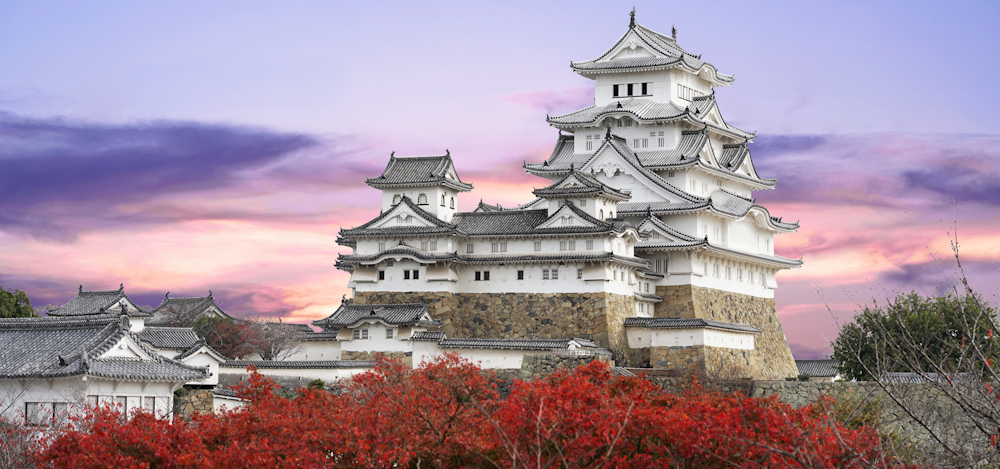
Himeji Castle, Tokyo

Himeji Castle

Himeji Castle is Japan's largest and most visited castle, attracting nearly 1.5 million visitors annually. Completed in 1333, the castle has survived bombings, wars and earthquakes through the ages, and has come to symbolise Tokyo's resilience in the face of disaster.

Tokyo Tower

There is nowhere better for expats to get a sense of perspective than from atop the soaring Tokyo Tower, rising 1,092 feet (333m) into the sky. This architectural masterpiece was modelled on the Eiffel Tower in Paris.

Akihabara

Looking for electronics, gadgets, and anime and manga merch? Look no further than Akihabara, a renowned electronic wonderland with all the bargains, cutting-edge innovation and expert advice an expat could ever want. An essential attraction – even if expats are just window shopping.

Senso-ji Temple

An ancient Buddhist temple, Senso-ji was built in 628 CE and has the distinction of being Tokyo's oldest temple. It still attracts many devotees, especially when one of the numerous associated festivals is running.

Tokyo Disney Resort

This is a mega theme park that directly mimics the original version in California. Apart from the usual fun rides and characters, visitors can enjoy Tokyo DisneySea as well as the park's several hotels.

Tokyo National Museum

One of the world's largest art museums, this outstanding attraction has exhibits including antique kimonos, paper-thin pottery and classical woodblock prints.

Meiji Jingu

Meiji Jingu is a pleasant and calming shrine close to Harajuku Station and a symbol of the Meiji era, which marked the end of Japan's isolation from the West. Originally built as a tribute to Emperor Meiji and his wife, the shrine is located in a breathtaking evergreen forest environment.

Kabukiza

Here, expats in Tokyo can also explore the traditional Japanese Kabuki theatre. The Kabukiza is the main venue for such performances and is set in a beautiful building.

Getting Around in Tokyo

An excellent public transport system offers the best means of getting around in Tokyo. There’s a dense network of interconnected rail and subway lines and extensive bus routes, so reaching anywhere in the city is easy. Navigating the system can be confusing for new arrivals, though. The public transport system is also known for its punctuality.

Public transport can be packed during rush hour, and long commutes to work are common. All in all, most expats agree that dealing with crowds is well worth the efficiency and convenience of Japan’s public transport system.


Public transport in Tokyo

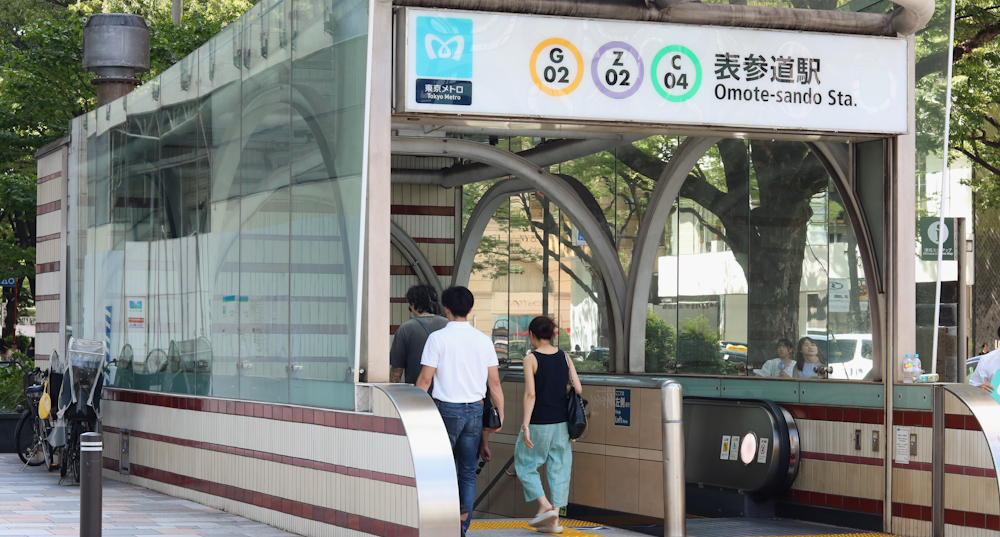
Tokyo metro station by Ned Snowman, via Shutterstock

Tokyo also offers convenient payment methods to make travelling easy and efficient. The city uses two main smart cards, Suica and PASMO, which can be used on trains, subways, and buses. These cards are prepaid and rechargeable, allowing commuters to simply tap their card on the reader at the ticket gates, eliminating the need to purchase individual tickets for each journey. The cards are interchangeable and can also be used for purchases at convenience stores and vending machines, making them a handy tool for both commuting and everyday life in Tokyo.

Trains

Tokyo’s railway system is the most popular means of getting around the city. There’s an extensive rail network, operated mainly by JR East, as well as several other privately operated lines. The circular Yamanote Line, sometimes called the ‘Loop Line’, is the main rail line in the city and connects most major city centres within the city limits.

Station names are usually marked in both Japanese and English, which makes it easier for expats still getting used to navigating the city. Trains are punctual and efficient.

Subway

Tokyo’s subway system is extensive, efficient and well connected to the train system. Route maps and fare charts are available in English at each station.

The subway system serves areas both inside and outside the Yamanote Line loop. It also extends beyond the city limits with direct connections to other private train lines, making it a convenient mode of transport in Tokyo.

Buses

Bus services aren’t as frequent as trains, but they are convenient if you need to reach parts of Tokyo not accessible by rail. Buses can also be used for long-distance services outside of Tokyo. Tokyo has many different bus operators, with Toei Transportation being the most prominent.

Bus routes can be more difficult to navigate for non-Japanese speakers, as not all buses have English announcements or signage.

Useful links


Taxis in Tokyo

Taxis in Tokyo are plentiful but expensive. They’re a good option if you need to travel late at night when most other public transport options cease operating. Taxi drivers might not speak English, so it’s a good idea to have your destination written in Japanese for the driver.

Ride-hailing services like Uber are also operational in Tokyo. These show the cost of the ride upfront and can help ease language barrier issues.

Useful links


Driving in Tokyo

Tokyo traffic by Agustin Photo, via Shutterstock.

Owing to the city’s excellent public transport system, it’s unlikely that expats will require a car to get around in Tokyo. If anything, driving in Tokyo can be more of a hassle; navigating the city in a car can be especially difficult due to heavy traffic congestion and the confusing mass of narrow streets, which aren’t always clearly marked. Additionally, parking in Tokyo can be expensive and difficult to find.

Driver’s licences

If you decide to drive in Tokyo, you’ll usually need an international driver’s permit, at least initially. Nationals of certain countries may use their licence from home as long as it has been officially translated into Japanese. To obtain a permanent Japanese driver’s licence, practical and written tests may be necessary.

See Transport and Driving in Japan for more about driver’s licences and laws in the country.


Cycling in Tokyo

Although cycling is popular in Tokyo, amenities for cyclists aren’t extensive, and traffic congestion can add to the danger. Many cyclists simply ride along the pavement, as cycle lanes aren’t common in the city, so pedestrians should watch where they are going. While cycling is a common mode of transport for short distances, it’s not always the most practical for longer distances or for commuting during peak hours due to the crowds.

Useful links