Living in Washington, DC, as an expat
Moving to Washington, DC, is an exciting prospect. As the capital of the US and home to multinational organisations, Washington, DC, attracts all kinds of newcomers, from international expats to Americans looking for a fresh start.
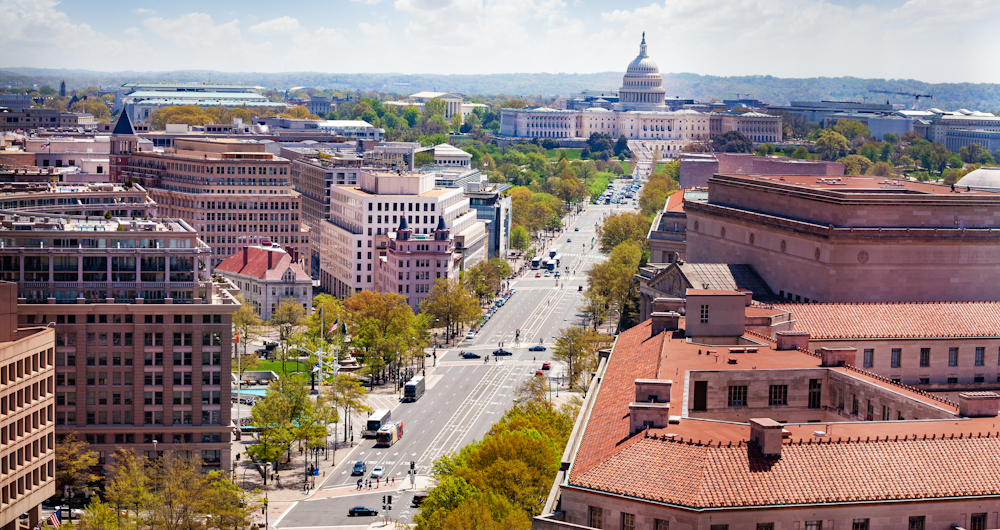
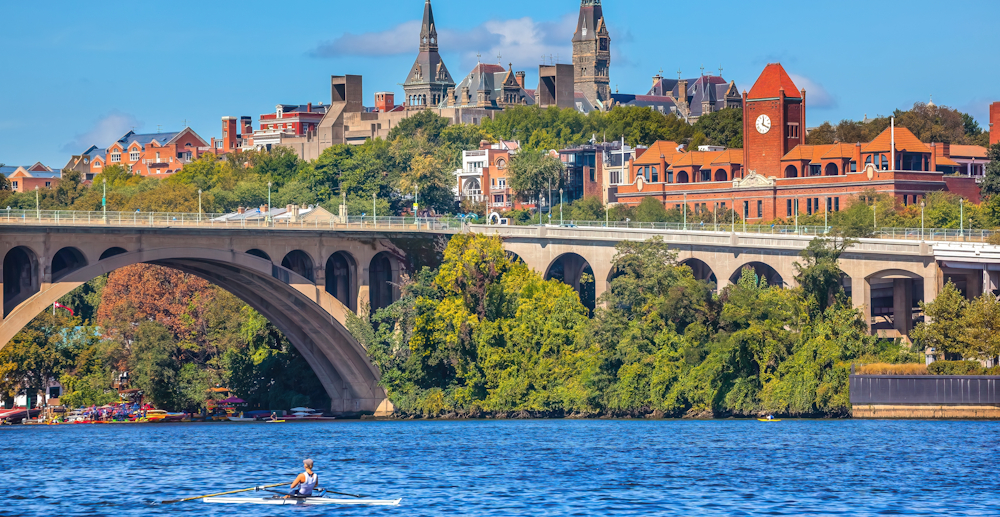
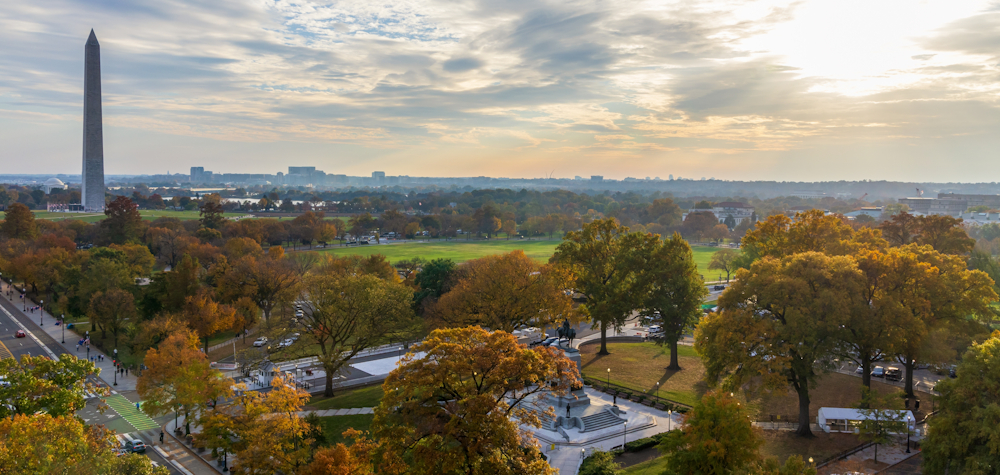
Situated on the Potomac River between Maryland and Virginia, the city’s location was said to have been chosen by President George Washington himself in 1790. Nowadays, it is perhaps best known as the seat of government.
Those moving to Washington, DC, are often surprised by how small the city – arguably the most powerful and influential in the USA – can be. Despite its iconic image as the centre of American power, DC is difficult to define, with ambiguous borders and a contrasting image.
The massive concentration of agencies, departments, businesses, consulates and young, eager professionals makes Washington, DC, so dense with potential that people from all ends of the earth seem to be magnetically drawn to it.
Working in Washington, DC
New arrivals in Washington, DC, will likely discover job opportunities in its thriving service industry, including healthcare, education, finance, and hospitality. Alternatively, newcomers can get involved in businesses that work alongside federal operations. Being the capital of the US, DC’s biggest employer is the US government.
Finding a Job in Washington, DC
Lifestyle in Washington, DC
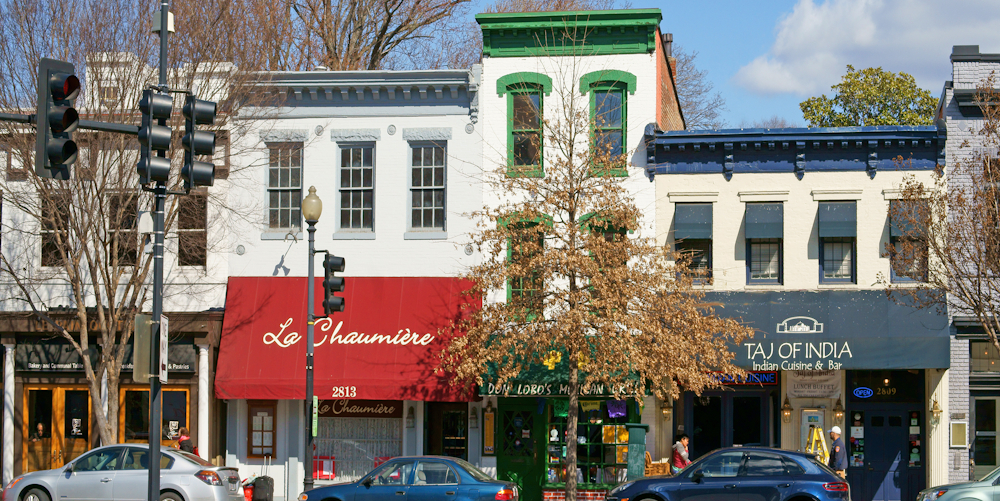
DC’s vibrant lifestyle offers newcomers plenty of options for keeping busy on the weekend. From excellent shopping and markets to exciting events and restaurants, this small slice of the US isn’t lacking in entertainment options. There’s also a range of sporting events and clubs for athletic types to enjoy. Nearby Virginia and Maryland are just a hop, skip, and a jump away, and hold even more for new arrivals to see and do.
Shopping, Restaurants, Nightlife, and Outdoor Activities in Washington, DC
Finding accommodation in Washington, DC
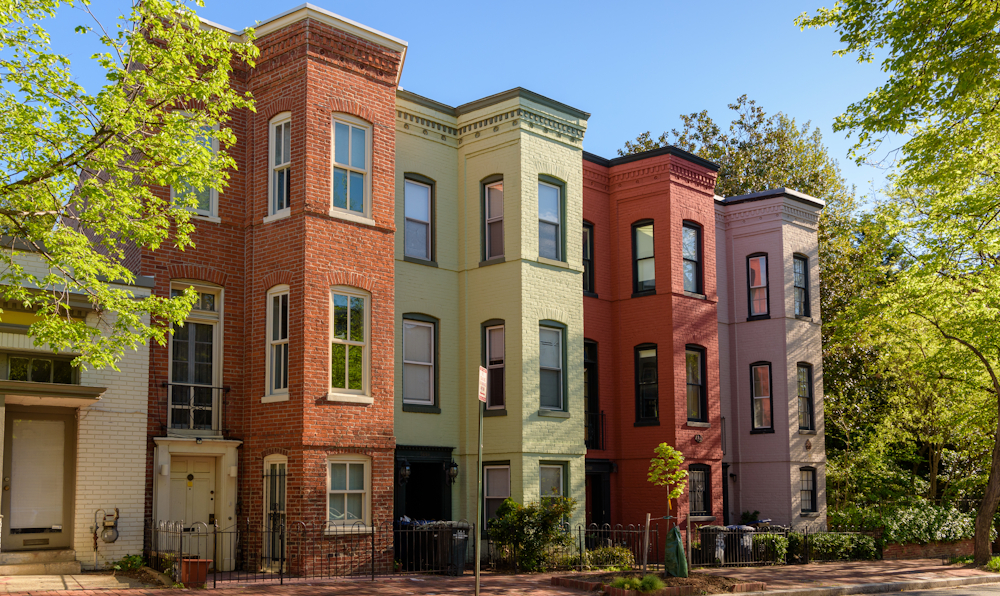
With such an array of neighbourhoods in Washington, DC, new arrivals to the city will undoubtedly be able to find a spot that suits their lifestyle and circumstances.
Unfortunately, the city struggles with inequality. While newcomers are likely to live in better neighbourhoods, the realities of living in a city with significant income disparities and relatively high crime rates can be noticeable in some parts of the city. It’s therefore important to know which areas to avoid when on the hunt for a new home.
Renting Accommodation in Washington, DC
Best (and Worst) Areas and Suburbs in Washington, DC
Cost of living in Washington, DC
The cost of living in Washington, DC, is relatively high, especially as suitable quality accommodation is in high demand and therefore expensive. That said, those living close to the city centre will find that public transport is fairly reasonable and there’s really no need for a car when it comes to getting out and about. Also, local salaries tend to be correspondingly high to keep pace with the cost of living, which helps a great deal.
Cost of Living in Washington, DC
Living in Washington, DC, with children

There’s plenty to entertain the kids in Washington, DC. The city’s many parks are lovely for a day out in the sunshine. Alternatively, educational fun can be had at the Smithsonian, where there are endless things to see and do, such as visiting the zoo or one of the many museums. There are also a host of family-friendly events in the city each year to entertain the little ones.
Finding a school in Washington, DC
Although the public school system in Washington, DC, can be hit or miss, there are still plenty of options. Charter schools, which fall under public education, are generally higher quality than regular public schools and don’t carry the cost of private schools.
International schools in Washington, DC, are a good choice for expats and globally mobile families, as they allow easier transferability. DC has schools teaching curricula from countries such as Germany, the UK, and France, as well as the globally respected International Baccalaureate programme.
Education and Schools in Washington, DC
Getting around in Washington, DC
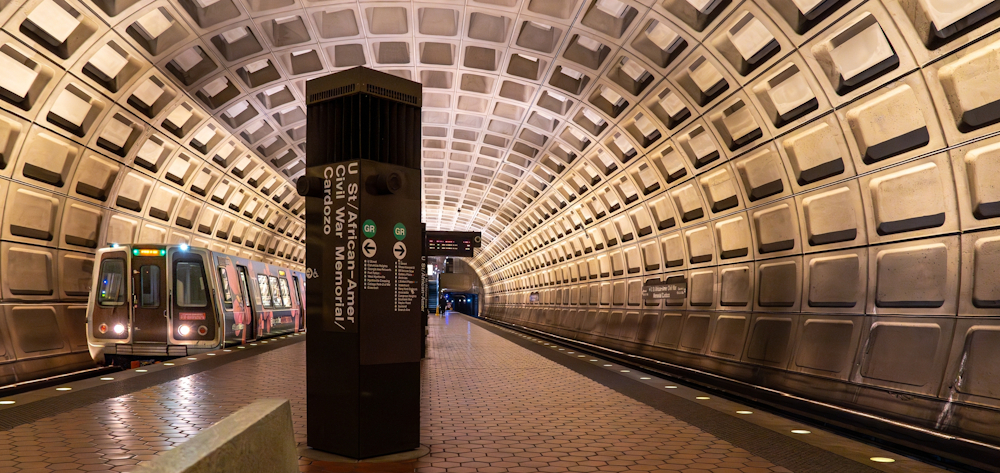
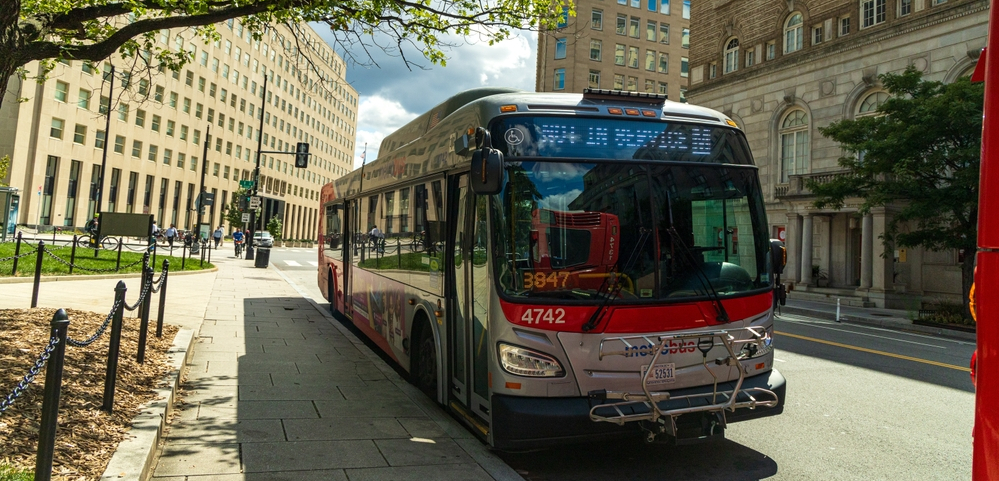
DC’s public transport system is easy to use and well priced. You could opt to drive in the city, but most find that the expense of buying and maintaining a car isn’t worth it when public transport is so widely available. If you need to get somewhere quickly or at an unusual hour, taxis and ride-hailing services are also plentiful.
Getting Around in Washington, DC
Climate and weather in Washington, DC
Washington, DC, has a semi-continental climate. Summers are hot and humid, with temperatures averaging 86°F to 91°F (30°C to 33°C). During winter, temperatures regularly drop well below freezing, and snowfall is common. Autumn and spring are the most pleasant times of the year and draw the most visitors to the city. The weather is generally warm, with clear skies.
Climate Chart for Washington, DC
Washington, DC, is particularly welcoming to newcomers. Most young professionals in DC move to the city to pursue careers before relocating again. There’s a frenetic energy of friendship-making fuelled by numerous clubs, casual sports teams, and nightlife. Newcomers are always welcome here.