Living in Columbus as a new arrival
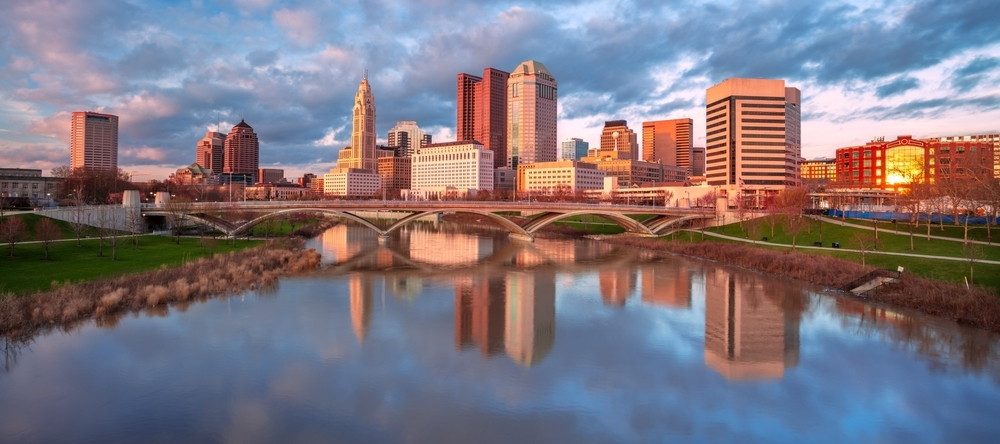
People moving to Columbus will be arriving in the capital of Ohio, one of the fastest-growing big cities in the American Midwest. Locals know it as the Arch City; the name is a nod to the lit arches once raised over its main streets, and metal versions are still there over the Short North. The Scioto River and several smaller creeks are woven through the city, and Columbus has more going for it than outsiders tend to assume.
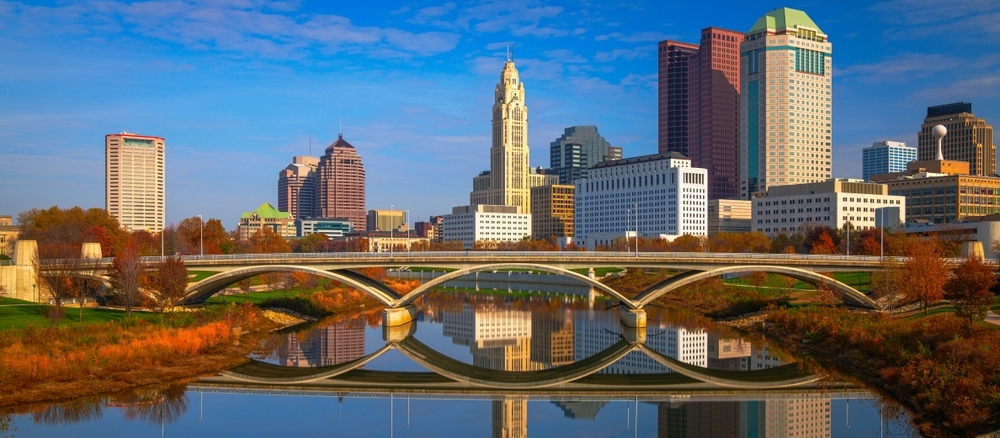
Downtown is where the tallest buildings are clustered. Just beyond it, German Village is one of the largest privately funded historic districts in the United States, and its streets are lined with 19th-century brick cottages. Victorian Village, close by, has rows of restored Victorian-era homes.
Settling into life in Columbus is straightforward for most new arrivals. The city is becoming more international and multicultural every year, and much of that is due to international migration. The food here is a real highlight. Established Somali and Ethiopian communities, among others, have built one of the more interesting food cultures in the region, and you can eat well without spending much.
The Ohio State University is the other defining feature of the city. It is one of the largest universities in the country and a major local employer through its medical system, and on football Saturdays, the campus and nearby bars are packed. New arrivals often rate Cincinnati and Cleveland more highly, but Columbus is now the largest city in Ohio, ahead of both.
Working in Columbus
People working in Columbus join a diverse economy with no single dominant sector. Government, healthcare, finance, and insurance have long been the mainstays, and major employers include Nationwide, Cardinal Health, JPMorgan Chase, and the Ohio State University.
Tech and innovation are a fast-growing part of the picture. Companies have been investing heavily in semiconductors and data centres across the wider region, and more people work in the sector every year. The startup scene is still small but on the rise. Beyond all that, there is a steady demand across education, retail, construction, and logistics.
Finding a Job in Columbus
Visas and Residence Permits for the USA
Work Permits for the USA
Lifestyle in Columbus

The lifestyle in Columbus is relaxed and more varied than you might expect for a city this size. The Short North is the best-known district for galleries, dining, nightlife, and independent shops, and its monthly gallery hop is a fixture of the social calendar. For markets, the North Market downtown has been a city institution for well over a century. Shopping centres and big retail chains are easy to reach across the suburbs. There is also a full calendar of festivals and events throughout the year, and the arts and music scene is active year-round.
Finding accommodation in Columbus
Finding accommodation in Columbus is easier on the wallet than in most large US cities. Housing costs are below the national average, so you get more for your money on rent or a first home here than in many comparable cities. Most people search through the usual online property portals and estate agents, and newcomer and community social media groups are useful for leads. Relocation companies are another solid choice when it comes to finding your perfect home.
Renting Accommodation in Columbus
Best Places to Live in Columbus
Cost of living in Columbus
The cost of living in Columbus is below the US national average, although not by a huge margin. Healthcare in particular is noticeably cheaper here than in much of the country. Public schools are free, as they are across the US. The main catch is transport. You’ll most likely need a car, and that is an extra cost to budget for.
Living in Columbus with children
Families living in Columbus with children tend to find it an easy place to settle. The Metro Parks system is a particular draw, with riverside trails, neighbourhood parks like Schiller Park, the Scioto Mile downtown, and Hayden Falls all within easy reach for weekend outdoor outings. There are plenty of family attractions and events throughout the year; the zoo and the science centre are firm favourites.
In terms of healthcare, the city is well served. Families can access top-tier care at hospitals such as the Ohio State University Wexner Medical Center and Nationwide Children’s Hospital, and those with comprehensive insurance get the best of it.
Healthcare and Medical Insurance in Columbus
Finding a school in Columbus
Finding a school in Columbus is mostly a question of where you live, at least in the public system. School districts assign places by catchment area, so before you settle on a neighbourhood, check which public schools are assigned to that address. The public system has well-regarded schools, and the International Baccalaureate is available at several public and private schools across the metro, among them Columbus Alternative High School and a number of suburban districts.
There are private schools to choose from as well. Dedicated international schools of the kind found in some global cities are limited here, so most newcomer families go the public or private route.
Education and Schools in Columbus
Getting around in Columbus
Getting around in Columbus almost always means driving. COTA runs the city’s bus network, but there is no passenger rail service, and Columbus is the largest US city without Amtrak service.
For most new residents, a car is essential, and limited public transport is the complaint you will hear most often about daily life here. There are changes on the way, though. Local voters have approved a long-term plan to expand rapid transit, and new bus rapid transit corridors are part of it, so services should be better in the coming years.
Transport and Driving in Columbus
Climate and weather in Columbus
The climate in Columbus is humid continental. Summers are hot and humid, and winters are cold and often grey. In summer, highs are around 85°F (29°C), and on humid days it can feel closer to 95°F (35°C). Winters are more often cloudy than snowy, although it does snow; average lows are near 20°F (-7°C) and daytime highs near 36°F (2°C). Columbus is one of the cloudier US cities in the colder months, so be prepared for a fair amount of grey. Spring and autumn are mild, and they are the most pleasant times of year here.
All things considered, Columbus is an easy city to recommend to anyone weighing up a move. You get a lot for your money here, and it is a good fit for families and young professionals alike. The one real trade-off is the reliance on a car, and it should be less of a constraint once the planned transit upgrades are in place. For most new arrivals, it is a fair trade.