Print
  • Hold down Ctrl key and select the sections you want to print. If using a Mac, hold down the Cmd key.
  • Use Ctrl + A or on Mac, Cmd + A to select all sections (if you are using the Chrome browser).
  • Click "Apply" and the site will customise your print guide in the preview below.
  • Click the "Print" button and a print pop up should appear to print to your printer of choice.

Moving to Florence

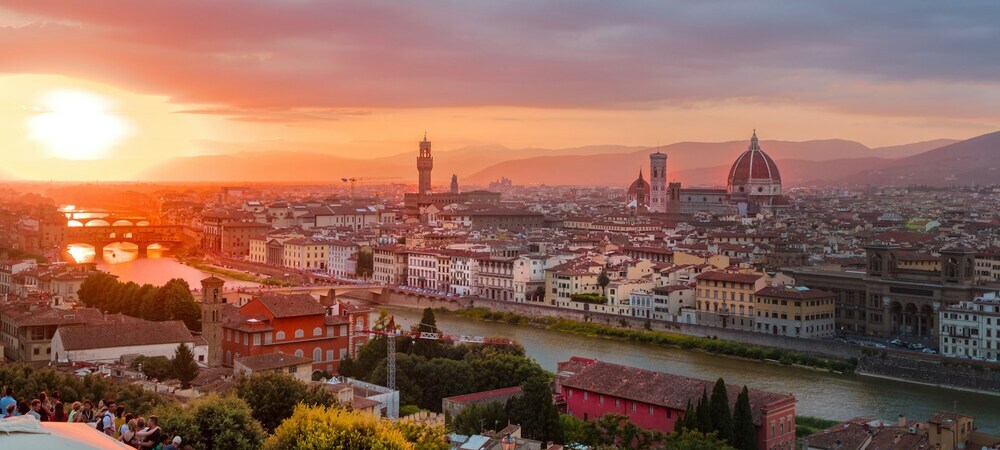
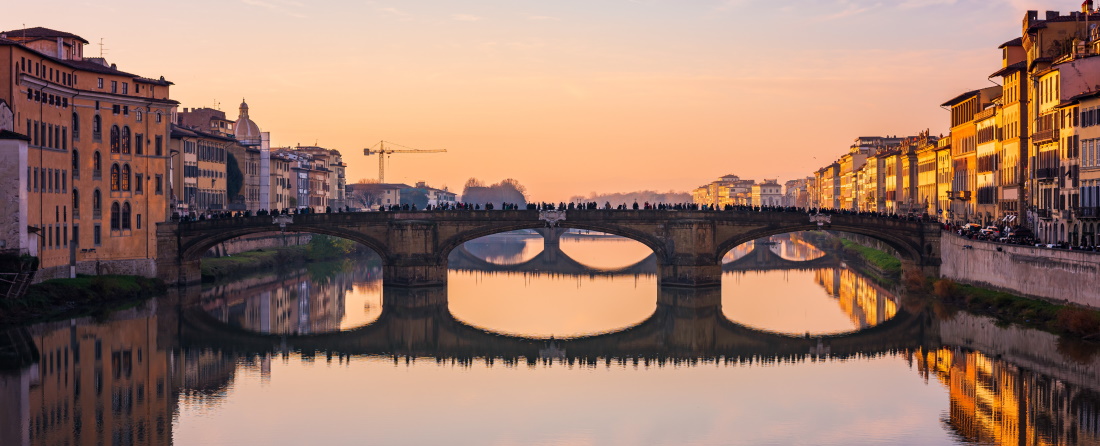
Many expats moving to Florence do so to discover and experience the home of great men and women who changed history. After all, Florence is revered not only as one of the most beautiful cities in the world but as the birthplace of the Renaissance.

About three hours’ drive northwest of Rome, Florence is the capital of the Italian region of Tuscany and an attractive tourist destination. Millions flock to visit its ancient churches, museums and piazzas each year and use it as a base from which to explore the surrounding wine region.

Living in Florence as an expat

Living in Florence as an expat

Most expats who move to Florence take advantage of its popularity as a travel hotspot to work in the tourism industry. Others find jobs in fashion or education, or even start businesses of their own. There are also the thousands of students who arrive each year to participate in study-abroad programmes and short-term courses that explore Italian language, art, history, and fashion.

Florence is a compact city, so getting around is easy, especially on foot and within the city’s historical centre. With many public green spaces and intriguing architecture throughout town, riding a bicycle is also a great way to take in all there is to see and do. Various types of accommodation are available in Florence, ranging from compact apartments near the city centre to villas in the nearby Tuscan countryside.

Getting Around in Florence
Renting Expat Accommodation in Florence
Lifestyle in Florence

Cost of living in Florence

Florence is considered to have a relatively moderate cost of living when compared to other major Western European cities. That said, it is still one of the most expensive cities in Italy. Its real estate market, especially, while not as pricey as those of Rome, Milan, or Venice, is far from cheap – a result of the city’s popularity as a tourist destination.

Cost of Living in Italy

Living in Florence with children

In addition to the city’s oodles of charm, Florence has outstanding modern infrastructure, including excellent healthcare and education. There’s also no shortage of things for families to do in their leisure time, and the possibilities for weekend breaks from the city are endless.

Short Getaways Near Florence

Climate in Florence

The weather in Florence is relatively pleasant: the city enjoys a humid, subtropical climate – summers are hot and muggy, while winters can be rainy and cool.

Expats moving to Florence will encounter a beautiful environment brimming with history and art, but they will need to develop a ‘go with the flow’ attitude – and learn at least some of the language – to help them settle in quickly.

Pros and cons of moving to Florence

As with any relocation, there are many pros and cons of moving to Florence. The city is an incredibly beautiful, culturally rich Italian hub that boasts gorgeous weather, incredible food, and sights that would wow even the most seasoned traveller. As with all destinations, there are some downs to go with the many ups of life in this city. Below, we explore the good and not-so-good aspects of living in Florence.


Accommodation in Florence

Accommodation in Florence

+ PRO: A diverse range of housing options is available

Florence hosts an incredible selection of accommodation types – ranging from charming apartments close to the historic town centre to freestanding houses and villas in the beautiful Tuscan countryside. Expats from all walks of life are sure to find a place they will relish living in.

- CON: Apartments in the city can be cramped

Living close to Florence's city centre can be a major draw for those looking to immerse themselves in the local culture, but apartments in Florence can be small and stuffy, particularly those located on the lower floors. Units with balconies and terraces are available, too, but are often much pricier than their ground-floor counterparts.

Accommodation in Florence
The Best (and Worst) Areas and Suburbs in Florence


Lifestyle in Florence

Lifestyle in Florence

+ PRO: There is plenty to see and do

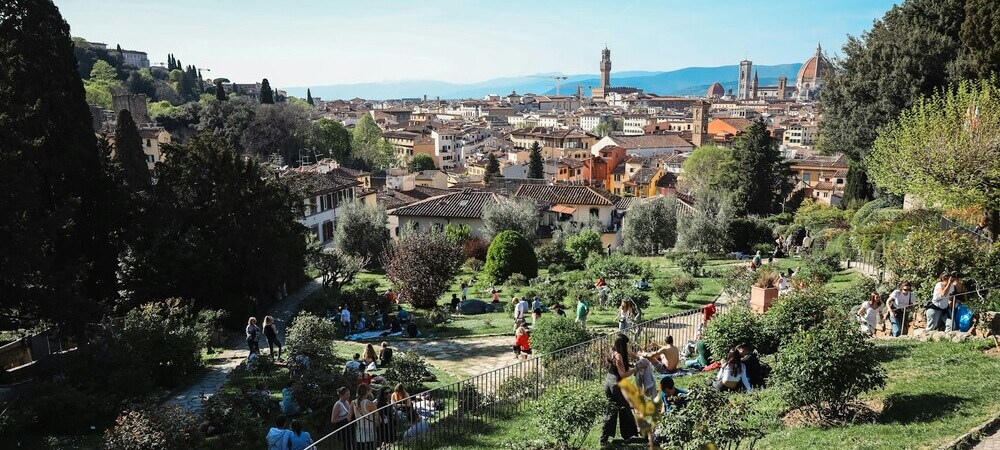
Florence is packed with culture and history, and also boasts a high quality of life, with plenty to keep you busy throughout the year. For those interested in the arts, Florence offers many museums and beautiful architectural sites that are well worth a visit. There are also green spaces scattered throughout the city, where you can enjoy an afternoon in nature. Foodies will have plenty of options to tantalise their taste buds, and shopaholics should look no further than the countless stores and boutiques spread around town.

+ PRO: Violent crime is incredibly low in Florence

Expats moving to Florence can rest assured that, regardless of where they choose to live in the city, they will be safe walking the streets day and night. Florence is incredibly safe, with few to no cases of violent crime being reported. Despite this, you should be aware of opportunists, as cases of pickpocketing and bag snatching do occur in tourist areas, albeit infrequently.

Lifestyle in Florence


Cost of living in Florence

+ PRO: Florence is cheap compared to other Western European cities

The cost of living in Florence is lower than in other major European cities. Grocery stores sell affordable seasonal local produce, while clothing prices are reasonable, too. Expats will also find that rent is comparatively reasonable, although the prominence of tourists in the city can drive up prices in the centre.

- CON: Salaries tend to be low

Although the cost of living in Florence is low compared to other places, it may not seem so cheap to people earning locally. This is because salaries are lower than the average in other European cities. Work can also be challenging to find in Florence, and expats may struggle to find a high-paying job.


Food in Florence

Food in Florence

+ PRO: Food is delicious in Florence

As is the case in most Italian cities, the food in Florence is to die for. Rich aromas waft through the streets, and you won't be disappointed by the taste, either, as Italian cooking is renowned for the incredible flavours in every dish.

- CON: Eating out is expensive

Once again, due to the droves of tourists that make their way through Florence each year, restaurant prices in the city centre can be exorbitant. Expats will find that it’s much cheaper to buy local produce and an Italian recipe book and attempt to replicate the dishes themselves.


Culture in Florence

+ PRO: People are friendly and generous

Despite Florence having a reputation for curt locals, many expats say they have found them to be friendly and generous. Although you might come across a local who dislikes the influence tourists have on their precious city, expats who make an effort to learn the language and culture will find locals kind and accommodating.

- CON: It can be tricky to make good, lasting friendships

As many expats come through Florence for a season or two before moving on, finding expat friends who intend to stick around in the city can be difficult. As for making friends with locals, learning Italian will go a long way, and persistence is key. Speaking only English and putting minimal effort into getting to know the culture is not the way to impress potential local friends.


Getting around in Florence

Getting around in Florence

+ PRO: It's easy to get around on foot

Florence is a small city with an even smaller centre, and it’s pretty easy to get around by walking or cycling. While public transport is helpful to get to the outskirts, it only takes 30 minutes to walk from one end of Florence to the other, so it’s not strictly necessary.

- CON: Florence is densely populated

While the city’s many pros make it an ideal destination for people to either live in or visit, they also contribute to why it is so overcrowded. The bustling streets are teeming with tourists and locals all year round, which can make this small city feel even smaller.

+ PRO: It is centrally located

Florence is centrally located in Italy, and it’s easy to hop on a train and travel around the country. Italy’s location in Europe is also ideal for visiting neighbouring countries.

Getting Around in Florence

Accommodation in Florence

Securing accommodation in Florence is a priority for new expats. The city, steeped in history and brimming with Renaissance charm, offers a range of living experiences that blend the old with the new. 

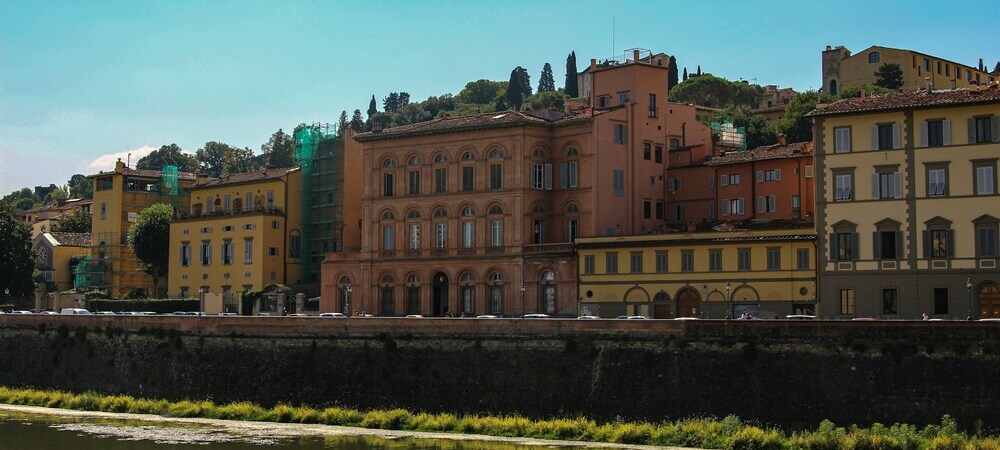
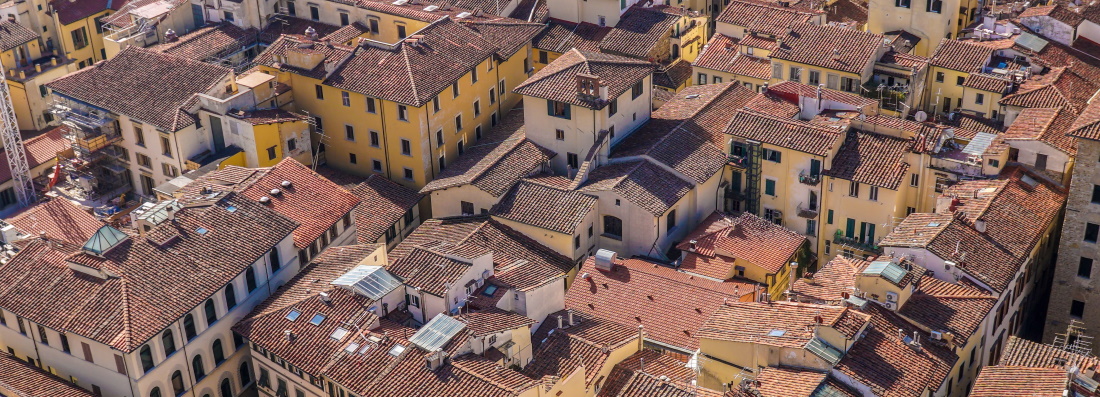
In the heart of Florence, apartments nestle in ancient buildings, where every stone whispers tales of the past. These residences, often part of grand palazzos, exude a sense of timelessness, with their high ceilings, frescoed walls, and windows that open to bustling streets and serene courtyards. Here, living is about embracing the city's rich cultural heritage, where modern amenities meet historic elegance.

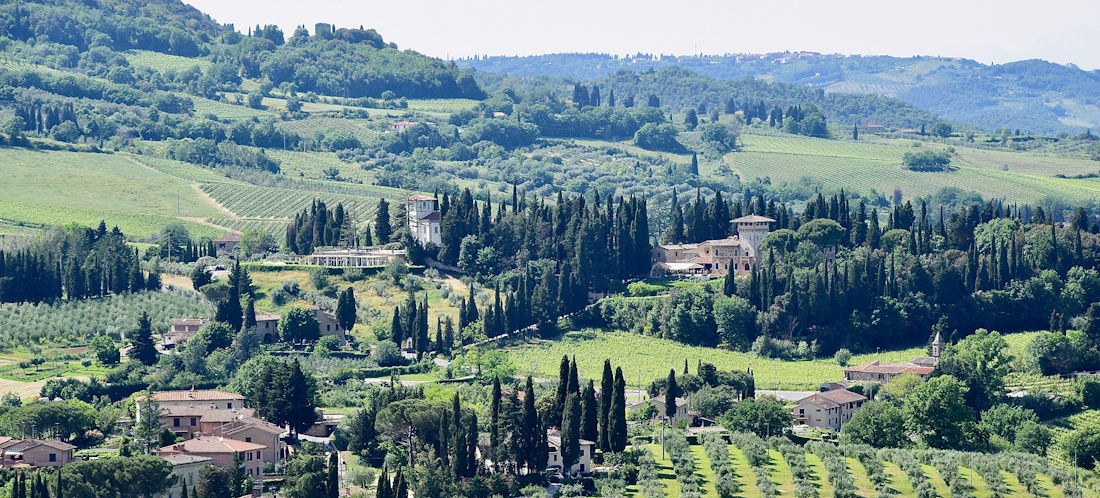
Towards the outskirts, the landscape transforms. The suburbs of Florence paint a different picture – one of sprawling family homes, modern apartments with panoramic views of the Tuscan hills, and tranquil gardens where the hustle of city life gives way to birdsong and rustling leaves.

City-centre apartments are usually small, so expats looking for more spacious family homes should explore the suburbs. While foreigners can buy property in Italy, most expats rent, at least initially.


Areas and suburbs in Florence
The key to finding suitable housing in Florence is to base your search on the lifestyle you prefer. If you like the hustle and bustle of city life, then the city centre is for you, though quieter and less touristy pockets can also be found. Remember that it’s a relatively compact city, especially in the Centro Storico within the old city walls. The central areas are also pricier than the outlying suburbs.

One popular choice for expats is the Oltrarno area, known for its artisan shops and local charm. This district offers a more authentic Florentine experience, with fewer tourists and a vibrant community atmosphere. On the other hand, for those seeking tranquillity, the hillside suburb of Fiesole offers stunning views and a serene environment, though it’s a bit removed from the city’s central amenities.

For families, suburbs like Scandicci or Sesto Fiorentino might be appealing. These areas are known for their green spaces, good schools and family-friendly environments. They provide a peaceful retreat from the bustling city centre while still being accessible via public transport. Young professionals might prefer areas like Campo di Marte or Novoli, which are closer to the city centre and offer a mix of residential and commercial spaces.

Best (and Worst) Areas and Suburbs in Florence


Types of accommodation in Florence
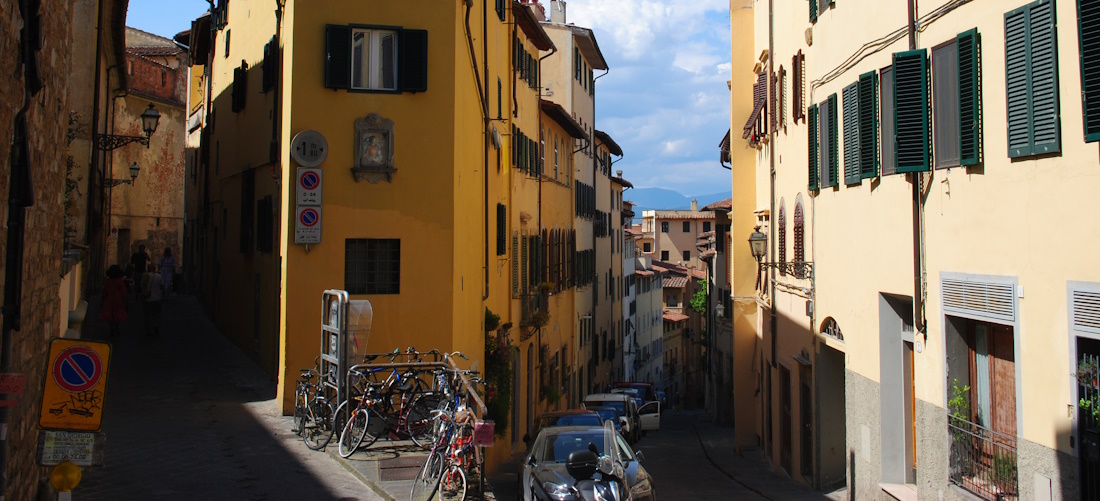
Nearly all of Florence’s housing options are in apartment buildings. These palazzi vary in size, and some come with balconies, small terraces, cellar storage units or garage space, which will likely cost extra.

Few buildings have elevators, but the air and light are generally better on higher floors. Housing ranges from old buildings to newer structures, and expats are likely to get more space for their money the further they are from the historic centre.

For those seeking something more unique, Florence also offers a range of historic homes and villas, particularly on the outskirts and in the Tuscan countryside surrounding the city. These properties often feature traditional Italian architecture and may come with gardens or courtyards. However, they are typically more expensive and may require a car for commuting into the city.


Finding accommodation in Florence

The best place to start a property search is online. Before moving to Florence, expats should browse web listings or even search social media. We do advise against committing to a lease or putting down a deposit before physically viewing a property and getting a feel for the area it’s in.

Once in Italy, expats can work through a local real estate agent or make use of the house-hunting services of their relocation company.

Networking with fellow expats can also be a fruitful way of finding accommodation. Local expat groups and forums often have insider tips or even listings of available properties. This can be especially helpful for those looking for shared housing or seeking advice on the best areas to live based on personal experiences.

Useful links


Renting accommodation in Florence

Making an application

To apply for rental accommodation in Florence, expats typically need to provide several documents. These usually include proof of income or employment, a valid passport or ID, and sometimes a reference from a previous landlord. Landlords also commonly request a codice fiscale, an Italian tax code, which can be obtained from the local tax office.

The process of finding accommodation involves viewing properties either directly or through an estate agent. Once a suitable property is found, the next step is to negotiate the terms and sign a preliminary agreement, known as a contratto preliminare, which outlines the terms of the lease and any conditions agreed upon.

It’s crucial to ensure that all terms and conditions, including the duration of the lease, rental amount, and any other agreements, are clearly specified in the contract to avoid any misunderstandings in the future.

Leases

Standard rental leases in Italy tend to be for long periods, usually for a minimum of three to four years, depending on the type of contract. They can be renewed if you wish to stay longer. 

Shorter leases are common for foreigners in Florence for a brief stint of work or study (one to two years), but are more expensive. Expats staying for a shorter period may prefer to sign a transitional-use contract with a fixed period of between one and 18 months. 

To enter into this kind of contract, the tenant must prove they have a legitimate need for temporary housing. Expats working in Florence for a limited time can do this with a copy of their employment contract.

Deposits and fees

To secure a lease, expats typically pay a deposit of up to three months’ rent. They should always visit their prospective flat with the landlord or leasing agent before signing a lease to take note of any repairs to be made before moving in.

Other costs to consider include agency fees if using an estate agent, which can be up to one month’s rent plus VAT, and utility bills, usually not included in the rent.

Terminating the lease

Ending a lease in Florence requires careful attention to Italy’s rental laws. Tenants must generally give six months’ written notice, unless otherwise stipulated in the contract. Early termination is only allowed for gravi motivi (serious reasons), such as job relocation or health issues, and must be supported by documentation. Tenants remain liable for rent during the notice period even if they vacate earlier.

Before leaving, conduct a joint inspection with the landlord to avoid disputes over potential damages. Landlords are required to return the security deposit, minus deductions, within 30 days of termination.

Renting Accommodation in Italy


Utilities in Florence

Whether tenants must set up utility connections themselves depends on their lease. Landlords may include electricity and water in the rent, or may bill the tenant separately. In most cases, these costs are for the tenant and must be considered when planning finances. Utilities in Florence, as is typically the case in Italy, can be pricey.

In Florence, the utility market is open, allowing residents to choose their provider for electricity, gas, and internet. It’s advisable to compare different providers to find the most suitable plan. Several online comparison tools are available.

Electricity

When setting up electricity, new tenants should ensure the previous occupant’s account is closed and open a new one to avoid being charged for previous usage. Setting up an electricity account is straightforward, usually requiring just an ID and codice fiscale. Rates vary by provider and usage.

Electricity in Italy is 220V, and the socket types are F, C, and L. Expats from countries with different voltages or sockets will need adapters or transformers for their appliances.

Gas

Gas is primarily used for heating and cooking in Florence. Like electricity, gas accounts need to be set up in the tenant’s name. Safety inspections are typically required for gas connections, especially in older buildings.

The cost of gas depends on the size of the property and the efficiency of the heating system. It’s generally billed every two months based on estimated usage, with an annual adjustment.

Water

The water supply in Florence is managed by local municipalities. The water bill includes charges for water consumption, sewerage, and a fixed service charge. Bills are usually issued every two months.

Water quality in Florence tends to be good, and tap water is safe to drink. However, some residents prefer to use filters or buy bottled water due to the hardness of the water.

Bins and recycling

Florence has a well-organised waste collection system. Residents must sort their waste into different categories: organic, recyclable, non-recyclable, and special waste. Collection schedules and guidelines are provided by the municipality.

Recycling is taken seriously, and failure to comply with waste sorting regulations can result in fines. Compostable waste is collected separately for ecological processing.

Useful links

Areas and suburbs in Florence

The best places to live in Florence

Even though it is a relatively small city, the various areas and suburbs in Florence cater to all types of people. There are options for students and young professionals who crave the hustle and bustle of the inner centre, and for families who prefer the peace and quiet of the outskirts. Each area has a different feel, and expats should be sure to spend some time exploring the different options when looking for accommodation before making a firm decision on where to live.


Trendy and artsy areas in Florence

florence

San Marco

San Marco is to the north of the Centro Storico and is primarily residential, extending to Piazza Indipendenza and Piazza Libertà. The area gets congested with tourists, but has a good selection of shops and restaurants, and the university botanical gardens provide some reprieve. Public transport in the area is good, but San Marco isn’t well suited to private vehicles.

Santo Spirito

The residents of this trendy area are a mix of expats, students, and artists. Its lively piazza is lined with restaurants, and it houses several museums and public gardens. Its narrow streets are dotted with shops, but they aren’t easy to navigate by car, so most residents walk, cycle, or use buses.

Santa Croce

Santa Croce hosts the Sant’Ambrogio Market, one of the best places to buy local produce in the city. It’s centrally located, but tourists pass through mainly to visit the Santa Croce church – the rest of the area is residential. 

There are plenty of restaurants and bars here, and because it isn’t too touristy, Santa Croce has an authentic Italian atmosphere. Still, there are always people out and about, which makes the area feel safe even at night, and there is a vibey nightlife atmosphere. Santa Croce is a good choice if you don't mind some noise and activity around you.

Rifredi

Rifredi, in the northwestern part of Florence, is a dynamic and growing suburb. This area is known for its medical and research facilities, including the Careggi Hospital, and attracts many healthcare professionals and researchers. It has a diverse community and offers affordable housing options, making it a popular choice for young professionals and families alike. The suburb is well served by public transport, and its blend of modern and traditional Italian architecture adds to its unique charm.

Campo di Marte

Campo di Marte, located to the east of the city centre, is a quieter suburb ideal for families and sports enthusiasts. Known for its large sports stadium, the area offers a blend of urban convenience and quiet residential life. The lush green spaces and proximity to local amenities make it a sought-after location for those who prefer a balance of city life and tranquillity. While the area is well connected by public transport, its spacious streets also accommodate private vehicles, making Campo di Marte a practical choice for those with cars.


Family-friendly and peaceful suburbs in Florence

florence

San Niccolò

The San Niccolò area offers a unique small-town feel. It doesn’t attract many tourists, except those passing through to get to the Piazzale Michelangiolo, but expats wanting to live in this peaceful area should be aware that rent prices are known to be high.

Novoli

Novoli is a city quarter that offers an alternative to the busy, touristy city centre, while still being well connected by public transport. This neighbourhood lies in the northwestern part of Florence and is a perfect, quiet and cosy spot for families.

Via Bolognese

Ideal for expats who own a personal vehicle, Via Bolognese snakes northwards out of the city. It doesn’t attract all the tourist foot traffic like the city centre, but its leafy atmosphere has its own appeal, like the gardens of Parnassus. The biggest downside is that residents here have longer commutes than their counterparts in the city centre.

Fiesole

Fiesole, nestled in the hills just north of Florence, offers a picturesque escape from the city’s hustle and bustle. This ancient town, with its Etruscan and Roman roots, is perfect for history buffs and those seeking a quieter lifestyle. Its elevated position provides stunning views of Florence and the surrounding Tuscan landscape. 

The area is well known for its cultural events, fine dining, and artisan shops. Fiesole is less connected by public transport compared to other suburbs, making it more suited for those with private vehicles or who enjoy leisurely walks in nature.

Lifestyle in Florence

The expat lifestyle in Florence bursts with the same fascinating combination of antiquity and innovation that makes up the city’s soul. A once-provincial town with its roots firmly planted in history is now a bustling international destination with plenty to occupy the eyes and the minds of those who move there.


Shopping in Florence

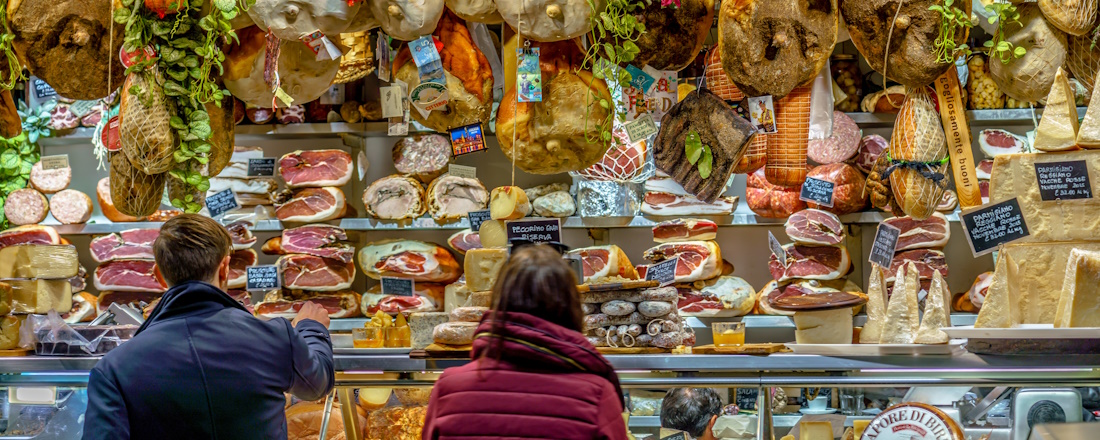
a display of meats and cheeses in a storeFlorence is a shopping haven for locals and expats alike, with stores and boutiques catering to a range of tastes and budgets. 
Those looking for haute couture should head to the shopping streets of Via Tornabuoni, Via Roma, or Via della Spada, all of which house well-known fashion brands and luxury goods. 

Rinascente and Coin are two of the most popular department stores found in the heart of Florence. Expats wanting to get all their shopping done under one roof should head to I Gigli, a mall just outside of town. Those looking to get away from the crowds will find plenty of traditional artisans working in botteghe (workshops), creating clothing, jewellery, accessories, and art.

For groceries, there is no shortage of typical outlets of big Italian supermarkets in Florence. Alternatively, you can head to local markets such as Mercato Centrale and Mercato di Sant’Ambrogio for fresh seasonal produce. Many ethnic markets have also popped up around town for expats looking for something more exotic.


Entertainment and eating out in Florence

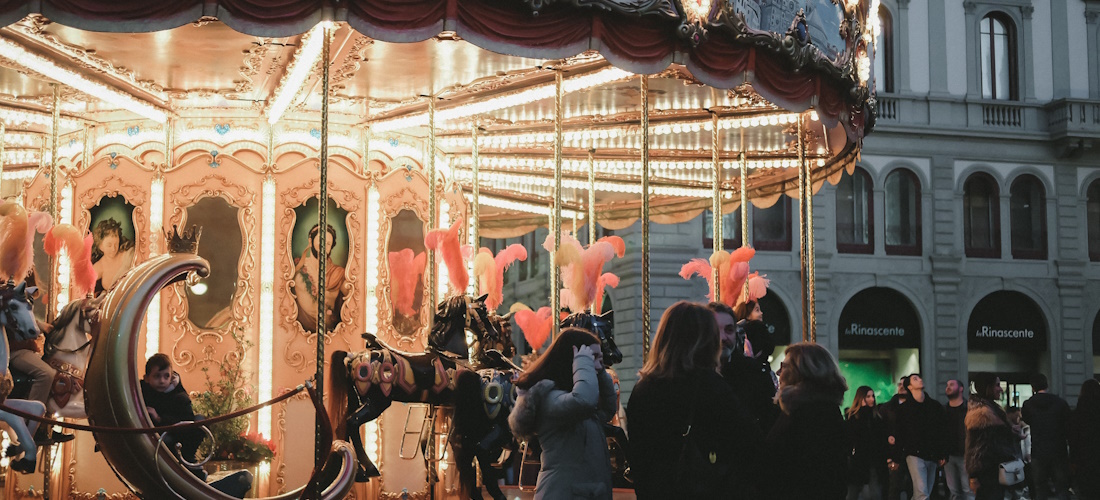
Carousel in Florentine amusement park at nightWith an incredibly rich cultural history, Florence is home to several remarkable museums, including the Bargello Museum, Museo dell’Opera del Duomo, and Museo di San Marco. There are also plenty of churches, monuments, and piazzas, as well as modern art galleries such as Galleria dell’Accademia and the Uffizi Gallery. 
The city has a vibrant cultural life, and you will find plenty to see and do in the form of theatres, cafés, bookshops, and cinemas. There are also many lively events happening in and around town throughout the year.

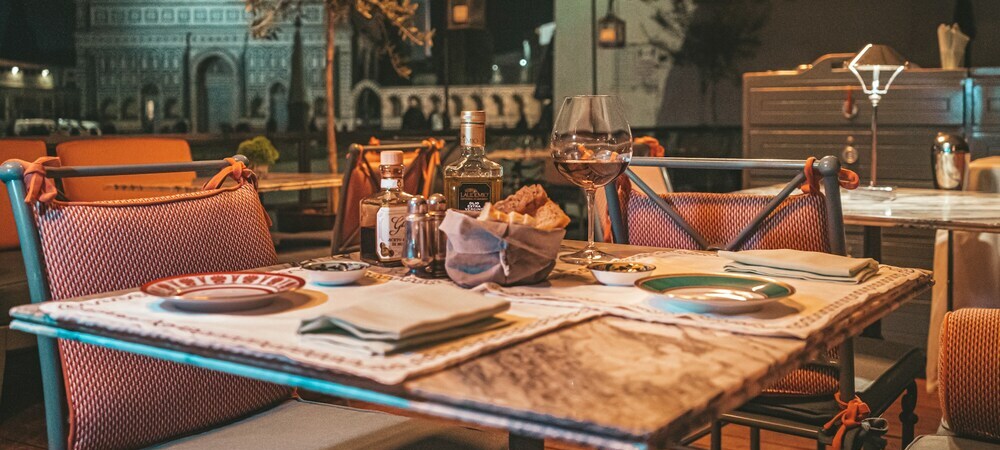
Florence is also home to some of the best Italian food – be sure to sample at least a few Tuscan delicacies and experience the role of food in Florence. For Florentines, socialising is centred on food. The morning starts with a coffee at the local espresso bar, where people discuss the weather, sports, current events, and everything in between. Early in the evening, locals return to trendy cafés and bars for an aperitivo. While Tuscan-style cooking is naturally popular, many other cuisines are on offer, such as Japanese, Spanish, Brazilian, Chinese, Indian, and Thai.


Sports and outdoor activities in Florence 

Keeping fit and healthy is a priority for many of Florence's residents, with lots of runners and cyclists taking to the paths of the city's parks. Football, as in many Italian towns and cities, is Florence's favourite sport. You can become a member of one of the city's many amateur football clubs and play or watch at your local stadium. Those who prefer to exercise indoors will be spoilt for choice – several gyms, yoga studios, and indoor swimming pools are available across Florence.


Kids and family in Florence

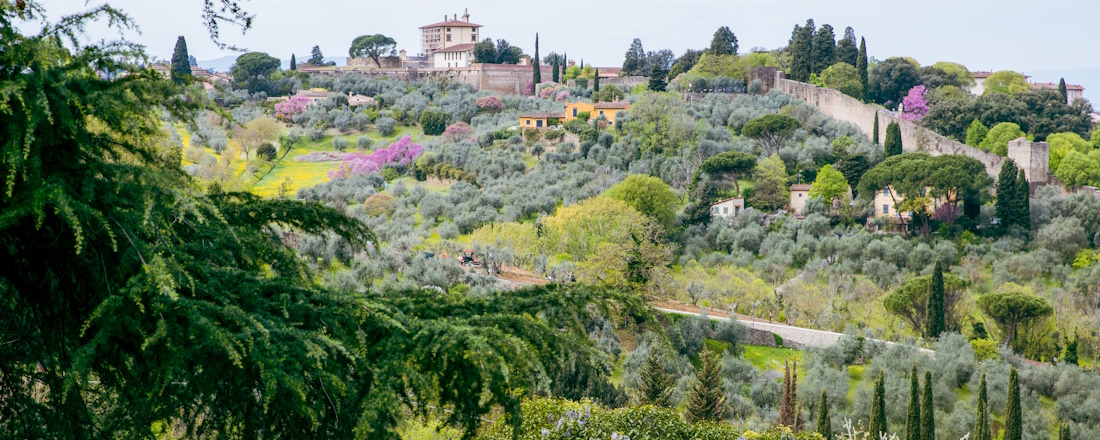
a view of a hill with a castle on top of itThere’s plenty in Florence to keep children entertained all year round. The Oltrarno district, for example, is home to some choice family-friendly sites. Among these are the Boboli Gardens at Palazzo Pitti, which boast lots of open space for children to explore while their folks enjoy a picnic in a picturesque setting.
Kids can learn all about the city’s fascinating history through the insightful exhibits at Florence’s Children’s Museum at Palazzo Vecchio, while the Palazzo Strozzi Museum offers educational displays in both English and Italian.

There are plenty of fantastic ice cream spots in Florence, too, so be sure to treat the little ones to a gelato after a fun-filled day out. Expat parents looking for an escape from city life can rest assured that there are several options for taking a few days off at the coast or in the nearby Tuscan countryside.


Meeting people and making friends in Florence

Moving to Florence can feel overwhelming at first, but the city’s vibrant social scene makes it easier to connect with locals and like-minded expats. You can join cooking classes and language exchange or hobby groups to meet people with similar interests and backgrounds. Sports clubs, art workshops, and volunteering opportunities are also great ways to make friends. Online platforms like Meetup, along with Facebook groups dedicated to Florence’s international community, are another easy way of finding events and meeting people. 

Below are a few suggestions for expats looking to make friends and meet people in Florence.

Useful links

Weekend breaks in Florence

Taking a weekend break in Florence is an exciting prospect, even if it means leaving one of the most beautiful cities in the world behind for a few days. After all, the constant stream of tourists through the Piazza dei Signori and San Lorenzo markets can be tiring and may inspire a desire to take a short foray out of the city. Here are some of our top picks for a weekend away.


Weekend breaks in Florence

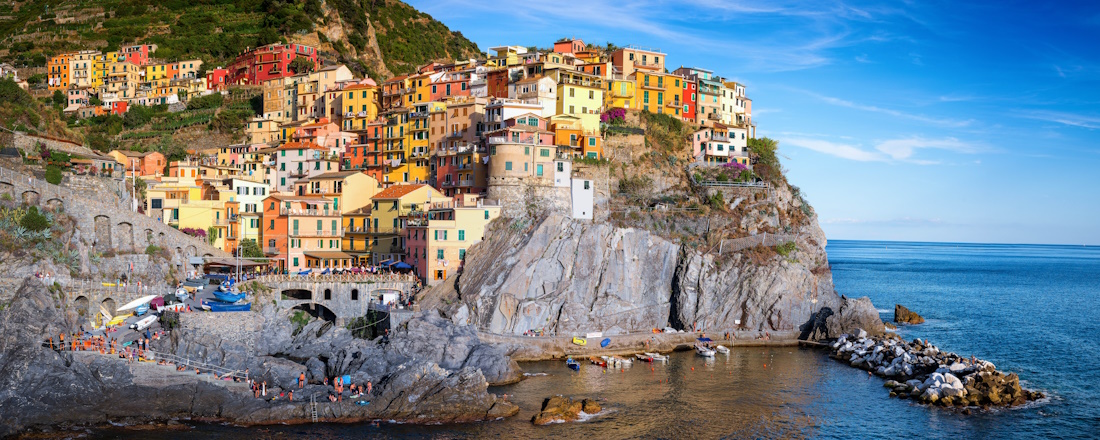
Colourful village on a sunny cliff

Cinque Terre

If you're looking for a weekend getaway with natural splendour, fantastic food, and beautifully authentic villages, you would be hard-pressed to find a better place to indulge than the Cinque Terre. 

Cinque Terre is a string of five small coastal villages set on cliffs overlooking the Mediterranean. Easily accessible by train, the area is perfect for a hike between the villages, enjoying the scenery and admiring the colourful buildings dotting the enchanting, rugged coastline. The Via dell'Amore (the Way of Love) offers a lovely walk that is neither too long nor particularly challenging.

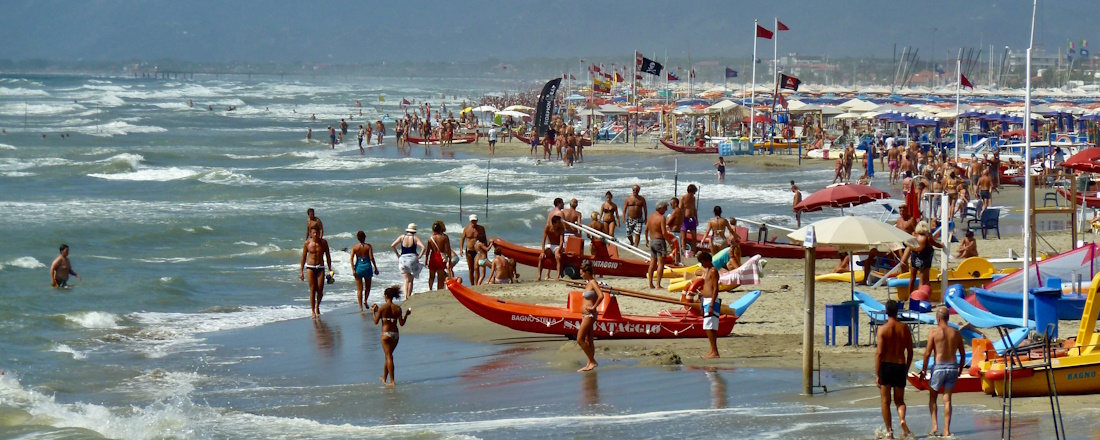
Rough waves on a busy sunny beachVersilia

Made up of a few small towns along the Mediterranean, the region of Versilia boasts a diverse range of activities, all within a two-hour train ride of Florence.

The world-famous Carnevale of Viareggio, with its parade of floats and masks, takes place each year in winter, and is rivalled only by Versilia's beaches in the summer – although you shouldn't expect to find a fee-free beach. The harbour in Viareggio is equally famous and is home to the greatest yacht makers in Italy.

Porto Venere

If walking between the towns of the Cinque Terre seems a bit daunting, you can visit Porto Venere, which is just before the Cinque Terre on the train line. Like Cinque Terre, Porto Venere is a designated UNESCO World Heritage Site. 

Quaint seaside houses painted in bright colours stand against a stunning seascape, with a lone church hewn from rock and stone overlooking the sea. Porto Venere is a truly breathtaking place to spend a weekend. 

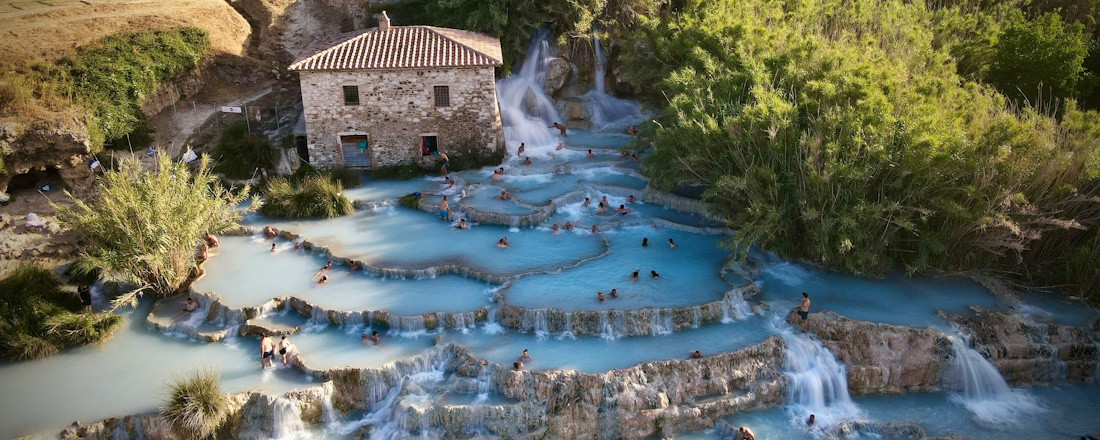
Hot springs by an old Italian millMaremma 

If you want to experience Tuscany at its most picturesque, South Tuscany and the Maremma are ideal for a quick stay. The natural hot springs of Saturnia will leave your skin feeling soft for days, and the area's exquisite wine and cheese are not to be missed. 

Exploring the countryside of the Maremma is not easily accomplished in a single weekend. You'll be drawn back again and again by Pitigliano, the town teetering on a mountaintop composed entirely of volcanic rock. Montemerano is another village that will lure visitors back with its landscape of lush plants and gardens. Scansano also appeals to visitors, as the home of famous wines and a fantastic medieval festival.

Getting around in Florence

Getting around in Florence is reasonably easy, and its smaller scale and more relaxed atmosphere lend themselves well to leisurely exploration. Often viewed as the Renaissance jewel, Florence contrasts starkly with the sprawling, bustling nature of Rome. For expats and tourists alike, the city's size means that much can be enjoyed on foot, through strolls along its picturesque streets.

For those looking to venture beyond the city's central area or to commute with greater speed, Florence offers a few public transport options. These modes of transit not only cater to local travel within the city but also provide connections to destinations outside the city, embodying both convenience and efficiency.


Public transport in Florence

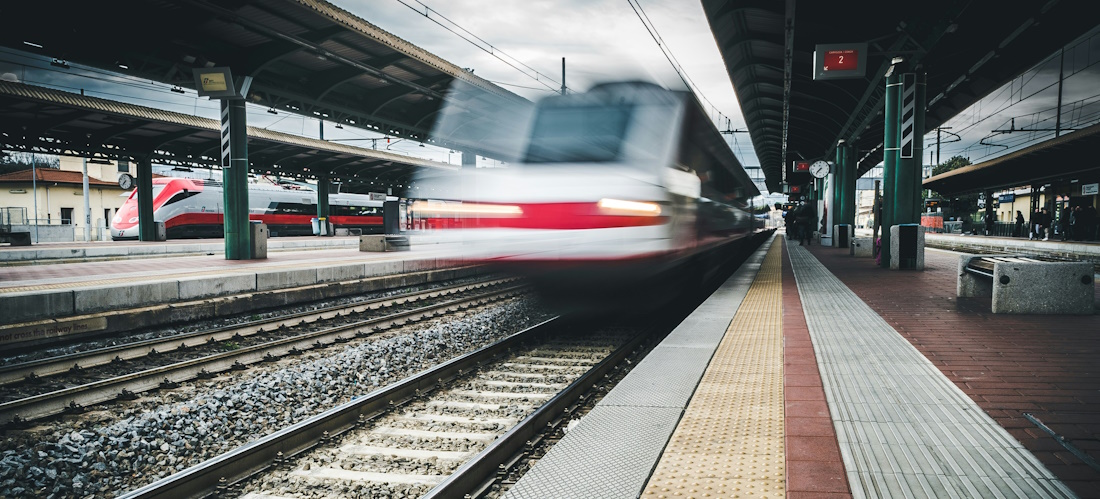
Trains stock image

Public transport in Florence is somewhat limited. The city does not have a metro system due to its compact size and concentrated activity within a 10-block radius.

That being said, the city’s public transport system is notably affordable, and you can economise further by opting for bulk ticket purchases, such as the 10-journey option, which is more cost-effective than single-trip tickets.

Florence's bus and tram systems are particularly noteworthy for their extensive coverage and frequency. These services offer a practical and economical way to navigate the city and its outskirts.

Buses

Managed by Autolinee Toscane, the bus network in Florence extends over 100 routes, ensuring comprehensive coverage of the city. Tickets for the buses can be conveniently purchased from authorised outlets, including coffee shops, tobacconists and newsagents, as well as online or through mobile apps. Automated ticket machines are also available at key locations like the Santa Maria Novella Station and Piazza San Marco, along with the Autolinee Toscane booth at Piazza Stazione.

Passengers validate their tickets when they get on the bus; being caught with an unvalidated ticket will result in a fine. The buses, which are air-conditioned and wheelchair accessible, provide a comfortable and accessible means of travel, especially during the warm summer months.

Trams

Florence's tram system, featuring three active lines, offers an efficient and equally affordable alternative to buses. The tram line extends from Via Alamanni to Scandicci, integrating seamlessly with other transport modes for journeys outside the city. The tram service is frequent, and its routes can be easily tracked using digital tools like Google Maps.

Additionally, the tram system is particularly favoured for its connectivity to the Florence airport, providing a quick and cost-effective option if you have a flight to catch.

Trains

Florence's integration into the national railway network, operated by Trenitalia, further enhances its connectivity. The Santa Maria Novella station serves as a vital hub for both bus and train travel, linking Florence to various national and international destinations. Additionally, the Campo di Marte station, located near the city's outskirts and the football stadium, is a crucial node for accessing broader travel routes.

Useful links


Taxis in Florence

Unlike in many other cities, passengers cannot hail taxis directly from the street in Florence. Instead, taxis must either be called via phone or found at designated taxi stands located at key points across the city. These stands are conveniently situated at major town squares, transport hubs, and the airport. Recognised taxi ranks include Piazza Santa Maria Novella, Piazza San Marco, and Piazza della Signoria.

Another feature of the transport landscape in Florence is the lack of international ride-sharing services like Uber, Bolt, and Lyft. This is due to strong legislation to protect licensed taxi drivers. As a result, the only Uber service available is Uber Black, which can run much pricier than hiring a standard taxi.

When using a taxi in Florence, ask for an estimated fare before beginning the journey. There is an initial fee, and the total cost of your ride will include metered charges based on the distance travelled. Notably, the base fare varies depending on the time of day, with higher rates applicable on Sundays, public holidays, and during night hours.

For those preferring digital convenience, several taxi apps operate in Florence. AppTaxi and itTaxi are popular choices, offering features like ride estimation, selection of specific vehicle types, and direct in-app payment using credit cards or digital wallets like Satispay. SIXT Ride is another app available in Florence, providing cashless payment options and live tracking.

It's worth noting that in busy periods, securing a taxi via these apps might be challenging. It's advisable to have alternative transport options in mind.

Useful links


Driving in Florence

Driving in Florence presents unique challenges, particularly in the historic city centre. The city's architecture, originally designed for foot traffic, results in narrow and congested roads that can be daunting for drivers. Parking in the vicinity of tourist attractions is not only difficult to find but also tends to be costly.

A key consideration for drivers in Florence is the Zona a Traffico Limitato (ZTL), or Limited Traffic Zone, which encompasses much of the city centre. Access to this zone is restricted and monitored, with entry permitted only to vehicles holding a ZTL permit. Non-permitted vehicles are prohibited during certain hours on weekdays and Saturdays, making it imperative for drivers to be aware of these regulations to avoid fines. Visitors are advised to park in designated areas outside the city centre and explore Florence on foot or by public transport.

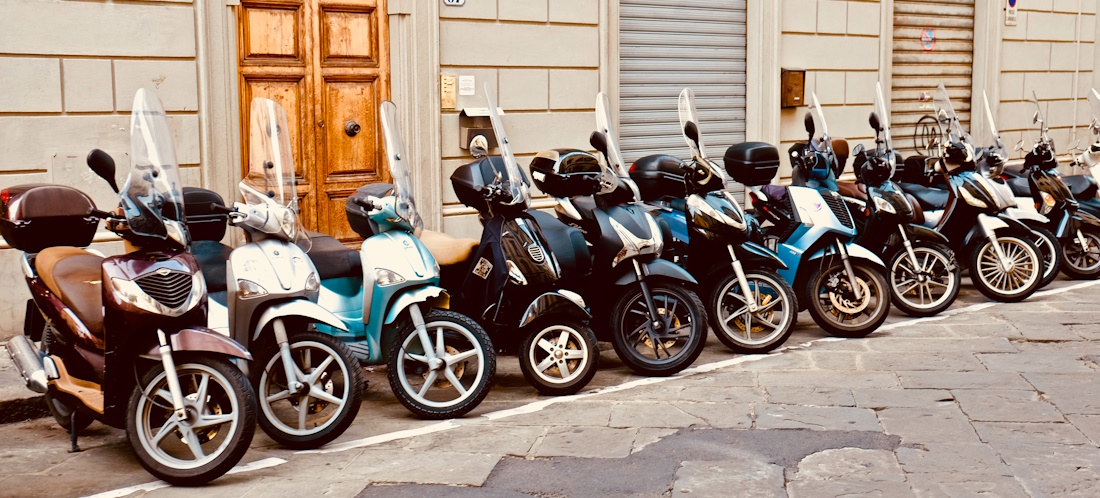
For those wishing to experience the city on two wheels, renting scooters, Vespas, or motorcycles is a popular alternative. While these vehicles offer more flexibility in navigating the city's streets, holding the appropriate licence and being mindful of the traffic rules are important. Although scooters are less restricted by the ZTL, riders must still adhere to the city's traffic regulations.

Driver's licences

You can drive on the licence from your home country in Florence as long as it is paired with an International Driving Permit (IDP). This is generally considered the best option for short-term visits, but expats who register as residents need to get an Italian licence at some point. EU and EEA licences are recognised until their expiry date, after which they must be renewed locally. Non-EU licences, however, are only valid for one year after residency registration. Beyond that, you'll need to either convert your licence to an Italian licence, if Italy has a bilateral agreement with your home country, or take the local driving test.

Transport and Driving in Italy

Useful links


Cycling in Florence

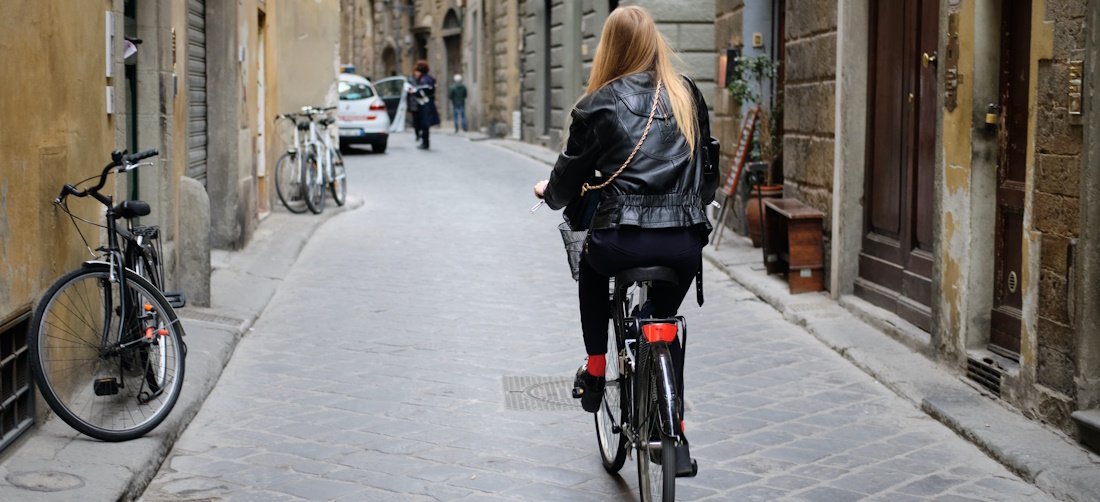
Contrary to popular belief, Florence has been gradually embracing a cycling culture, especially within its historical centre. Although the heart of the city doesn't boast extensive bicycle lanes, its pedestrian-friendly areas make cycling a practical option for navigating around. This is particularly true as many parts of the historical centre are closed to motor traffic, offering a safer and more enjoyable cycling experience.

Beyond the city's core, Florence boasts over 66 miles (90km) of dedicated cycle lanes, predominantly along the picturesque banks of the Arno River. These lanes provide both leisurely rides and practical routes for daily commutes. Plans to expand this network further enhance the city's commitment to promoting cycling.

Bike-sharing services like RideMovi provide an eco-friendly and flexible alternative to traditional transport modes.

Outside the urban landscape, cyclists in Florence can also indulge in scenic rides. Routes like Fiesole and Monte Morello, and the Chianti Classico area offer a blend of beautiful landscapes and challenging terrains, catering to enthusiasts and leisure cyclists alike.

Useful links


Walking in Florence

Pedestrians walking in Florence

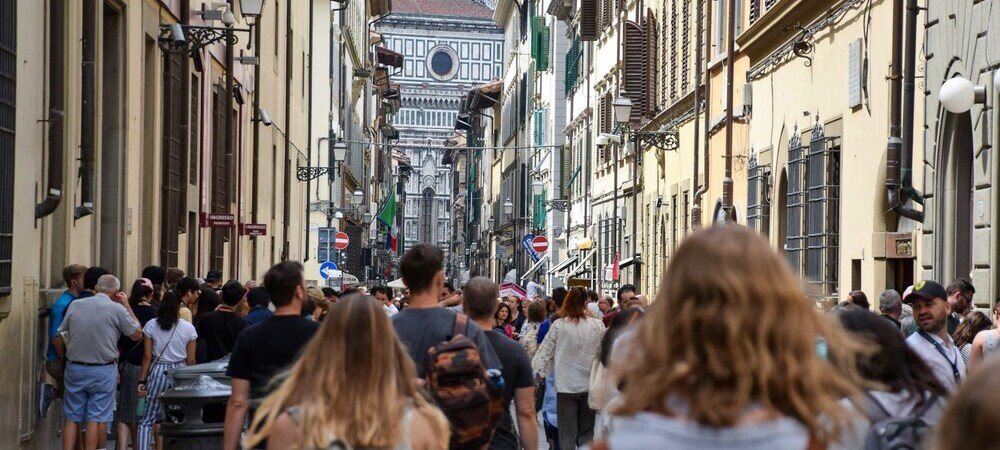
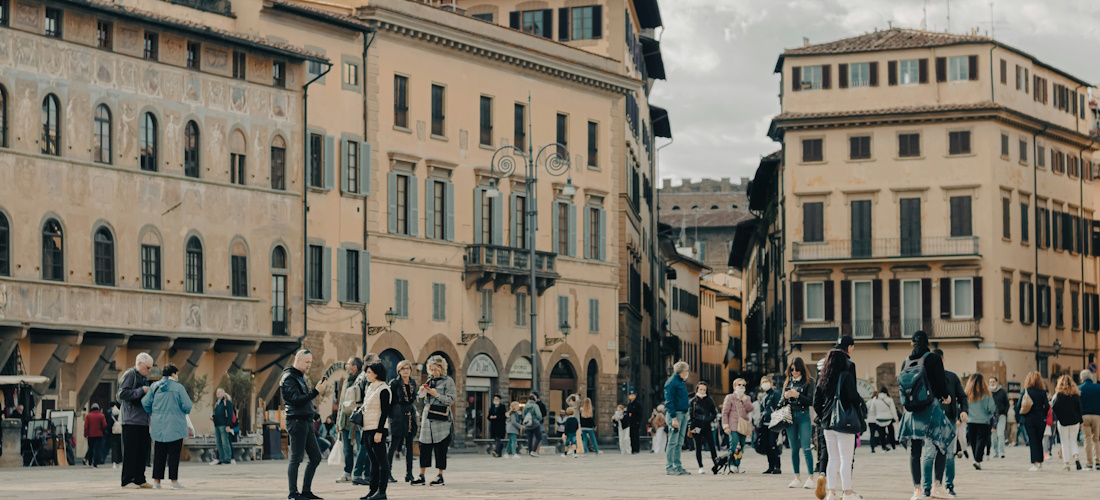
Florence is a city designed for pedestrians, making it ideal for exploring on foot. The city's compact size and historical centre, largely closed to vehicular traffic, create an inviting atmosphere for walking. In Florence, the streets teem with life, offering a unique blend of historic charm and vibrant modernity. While popular areas around Il Duomo can become crowded, they provide a glimpse into the bustling heart of the city.

The city's intricate network of side streets and alleyways invites exploration and discovery, but navigating these charming yet confusing paths can be challenging, so using a reliable map app is advisable. These hidden gems often reveal unexpected treasures, from quaint shops to local eateries, adding to the allure of wandering through Florence.

While walking is a delightful way to experience La Bella, it is essential to consider the weather in Florence. The city experiences distinctive seasons, with sweltering summers and chilly winters. During summer, staying hydrated and protecting yourself from the sun is crucial. Carrying an umbrella for shade and water for hydration can make the experience more comfortable.

Florence is generally safe, as the main streets are packed with people at almost all hours. Caution is advised when walking around less frequented areas like the San Lorenzo Markets and Santa Maria Novella Station late at night or early in the morning. In such instances, opting for a taxi is a safer alternative. 

Additionally, pedestrians should exercise caution when crossing roads, as Italian driving culture can be unpredictable, with drivers often assuming the right of way even at pedestrian crossings.